Balayage in Dubai: What It Is, Why It’s Popular, and Who It’s For
What is Balayage
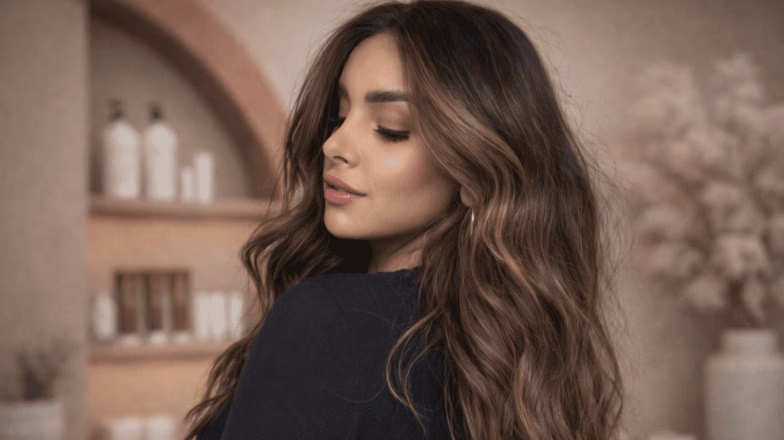
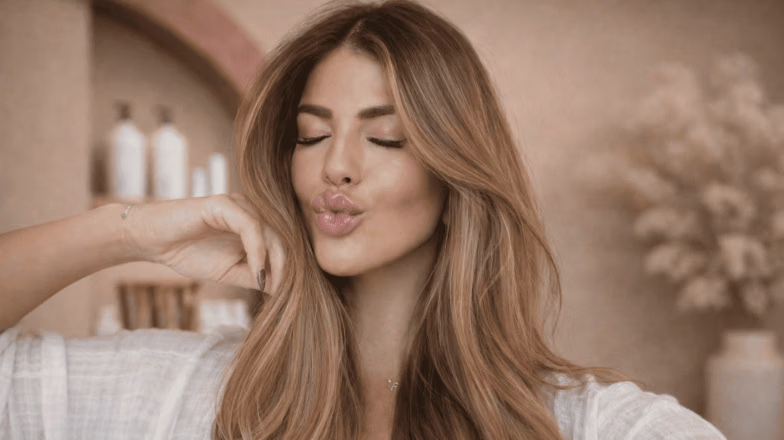
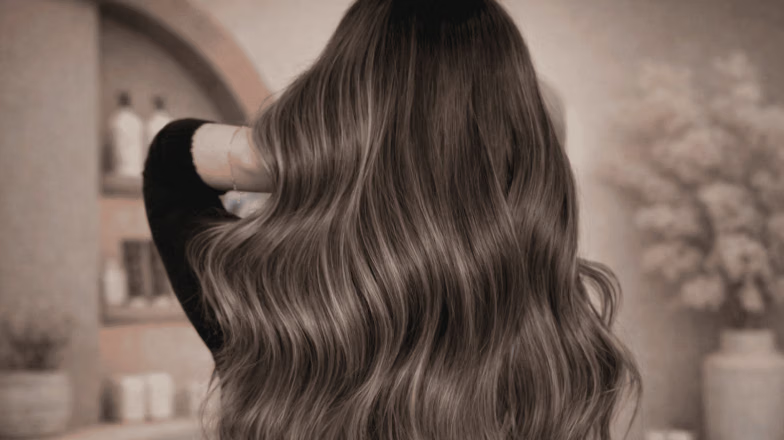
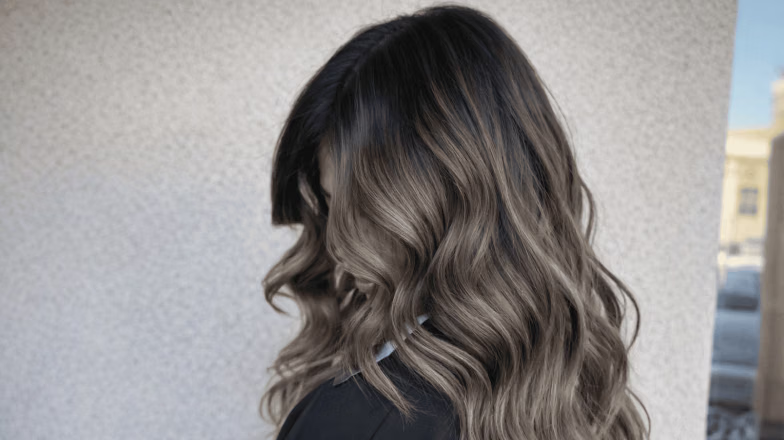
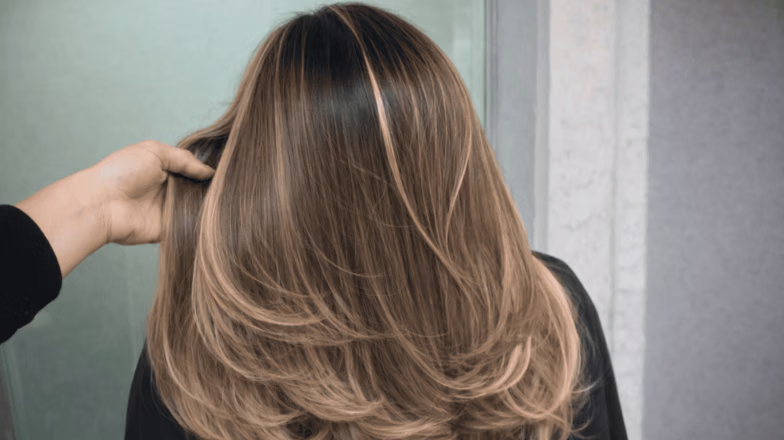
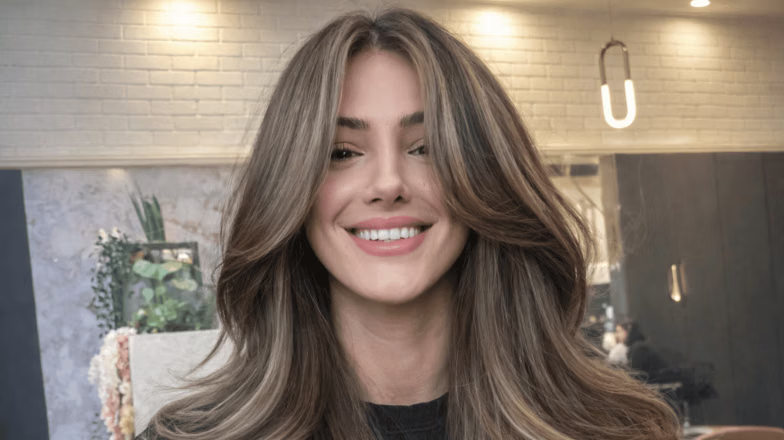
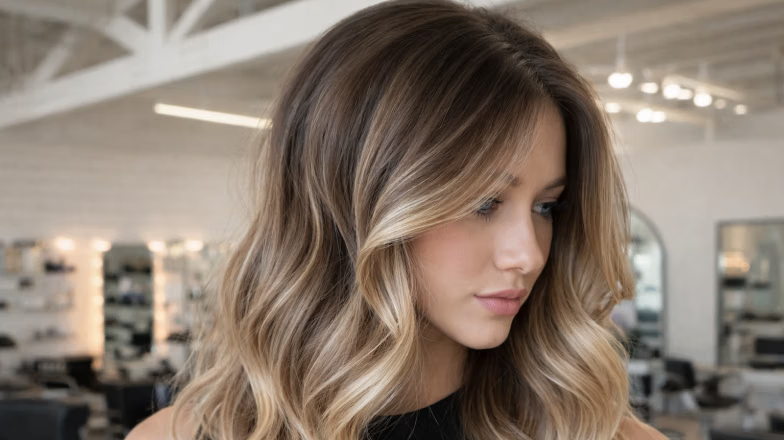
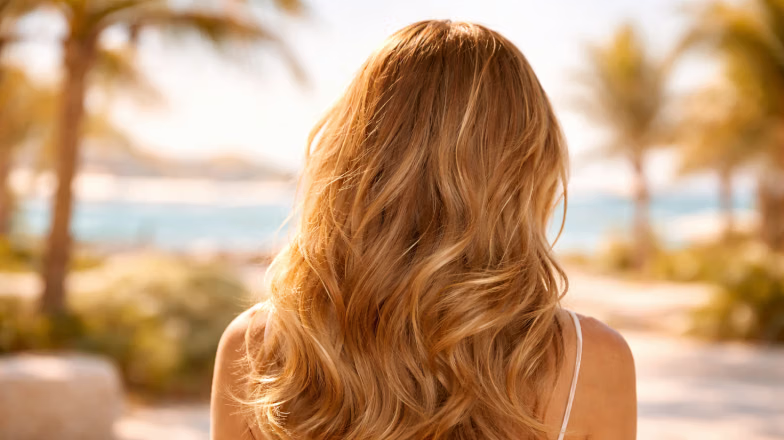
Balayage is often chosen for one simple reason: it makes hair look better with less effort. It’s a freehand hair coloring technique in which a colorist hand-paints lightener onto selected strands to create a soft, sun-kissed effect. The word itself comes from the French verb meaning “to sweep”, which describes exactly how the product is swept along the midshaft and down to the ends. The technique adds light, depth, and soft contrast to the hair. This helps the hairstyle look neat and balanced, even without careful styling. The result is a natural gradient with luminous dimension that feels effortless rather than uniform.
The color reflects light and creates visual volume. Hair looks well-groomed in everyday life. Because the lightener is painted by hand instead of saturated from the scalp, the transition between your natural base and the painted sections stays seamless and subtle. Balayage also grows out naturally and does not need frequent touch-ups. This makes it practical for a busy routine. Below you will find what balayage involves, how it compares to classic highlights, and how to care for the color once you leave the salon.
What are the benefits of balayage
The main appeal is that the color is designed to work on its own. Instead of applying lightener from the root, a colorist starts the sweep away from the scalp, then gradually increases saturation toward the tips. This creates a smooth transition that stays natural as the hair grows. Lighter tones are placed through the length, which keeps the color balanced in daily conditions.
The most valued benefits:
Soft regrowth: because there is no hard line at the root, the color blends evenly as the hair grows, so you avenge the harsh grow-out lines of foil highlights.
Fewer salon visits: the look stays fresh far longer between appointments, which lowers overall maintenance.
Long-lasting result: the color remains neat and intentional for months, fading gently rather than abruptly.
Built-in dimension: hand-painted strands add depth, contrast, and shine that flat, all-over color simply cannot reproduce.
Fully customized placement: every section is planned around your face shape, so the finish is bespoke rather than formulaic.
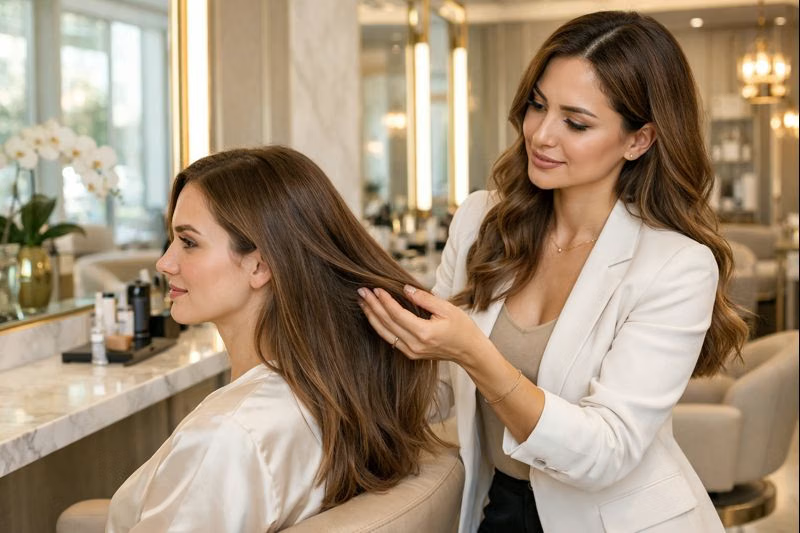
Balayage is also treated as a premium treatment because of the skill and time it requires. A professional colorist evaluates hair density, natural base, previous color, skin tone, and face shape before applying any lightener. Placement is planned strand by strand, not done by formula. Salons that specialize in the technique tend to work with professional-grade products, including bond-protecting formulas that support hair quality, controlled lighteners for even and clean lift, and custom toners or gloss mixed for each client. These products give full control over shade and hair condition, especially when paired with regular deep-conditioning care.
The technique is versatile, but it is honest to note where it has limits. Understanding the trade-offs helps you decide whether the technique is the best fit for your hair.
Higher upfront cost: because the treatment is done freehand and strand by strand, an appointment takes longer and usually costs more than a simple root color.
Not ideal for dramatic lightening: if you want to go several levels lighter across the whole head, a full highlight or bleach service may reach that goal faster than balayage alone.
Results depend on the colorist: hand-painting requires real skill, so the finish varies with experience. Choosing a specialist matters more than with foil work.
Toning refresh needed: lightened ends can shift tone over time, so an occasional gloss or toner keeps the blend clean.
The Most Requested Balayage Shades Among Women
What makes a balayage shade work for daily wear? It needs to look natural in daylight and still feel refined in the evening.
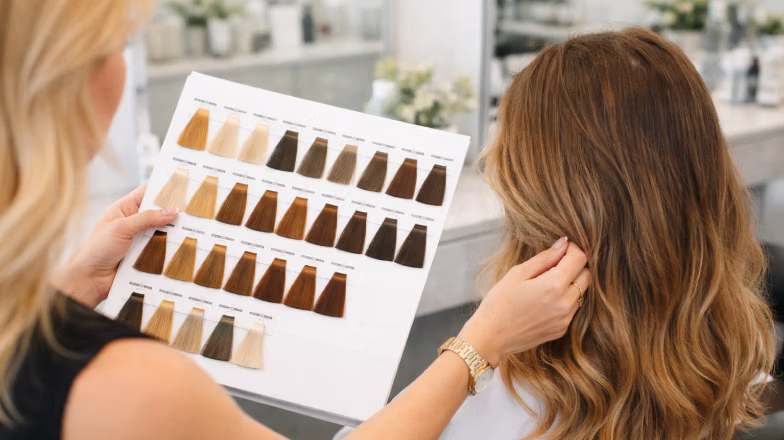
Below, you’ll find the most requested shades chosen by clients who want low maintenance without losing polish. Each option offers a different mood and tone, but all are designed to stay wearable and balanced in everyday life.
Sun-Kissed Balayage for Warm Skin Tones
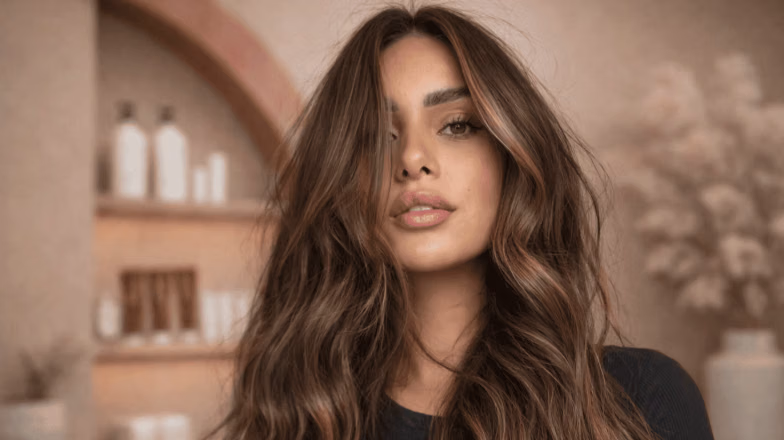
Warm shades are consistently popular because they flatter tanned and olive skin tones.
Common choices include:
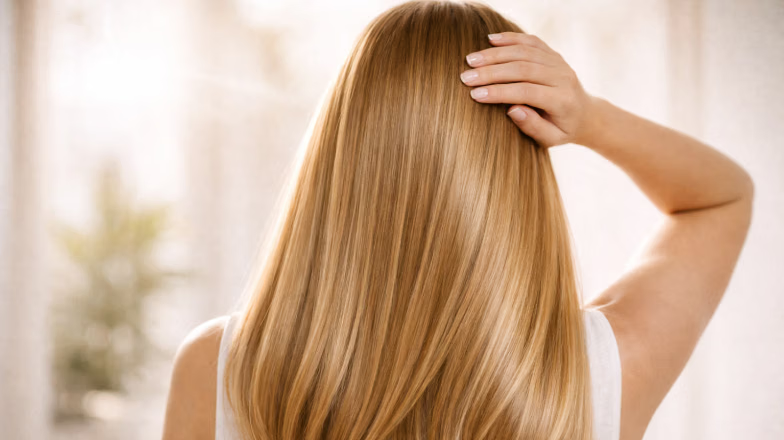
Honey blonde.
Caramel.
Warm beige and soft copper tones.
These shades reflect light beautifully and look natural under the sun. A honey or caramel blend adds instant warmth, while beige keeps things understated for a more neutral finish.
Cool & Neutral Shades for a Polished Look
Some clients prefer a more clean and modern style. Cool and neutral shades give a refined appearance.
Popular options:
Soft ash blonde.
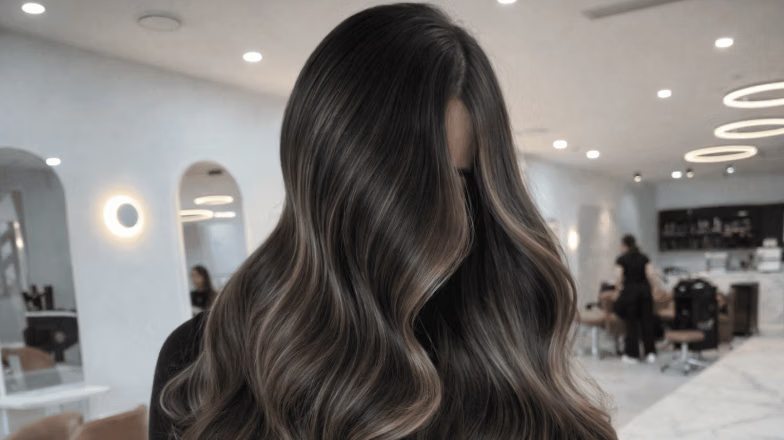
Mushroom brown and cool chocolate.
Neutral espresso.
These colors work well for office settings and formal looks while still being low-maintenance. An ash or mushroom base reads modern in daylight and stays elegant under evening light, making it a reliable choice for a professional wardrobe.
Balayage vs Highlights
With highlights, color is applied from the roots using foils. As the hair grows, new roots show quite quickly. This is the core difference many people search for when comparing the two techniques. This makes the contrast between natural hair and colored sections more visible. And it often leads to more regular salon visits.
Traditional highlights rely on foils packed close to the scalp, sometimes with cotton or paper separating each section. That method delivers bright, uniform lift, but the regrowth line appears within weeks and calls for frequent touch-ups.
Balayage works differently:
Color is applied mainly to the mid-lengths and ends.
The transition near the roots stays soft as hair grows.
The finish fades more evenly, so the blend never looks stripey.
Upkeep is lower because there is no sharp line to chase at the root.
In short, foils give precision and maximum brightness, while balayage gives a softer, more natural gradient. Many people who once wore highlights switch to balayage simply to keep their hair looking neat for a longer stretch between visits. If you cannot decide, a colorist can even combine both, using foils near the face and freehand painting through the lengths.
Who Is Balayage Perfect For?
Balayage suits many people, especially anyone whose hair has to handle heat and daily styling.
It works well for:
Women trying hair color for the first time.
Those growing out previous color or highlights.
Brunettes who want lighter hair without strong contrast.
Anyone who prefers fewer, more relaxed salon appointments.
People searching for the best low-commitment way to test a lighter look.
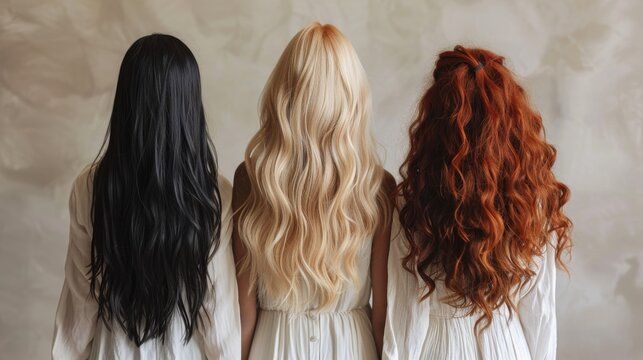
Since the technique can be adjusted for each person, balayage can fit different hair types and lifestyles , from fine to thick and from straight to curly.
How long does a balayage procedure take
One of the most common questions before an appointment is how much time to set aside. A full balayage typically takes between two and four hours, though the exact length depends on several factors.
Hair length and thickness: longer, denser hair needs more strands painted, which adds time.
Starting color: going from a dark base to a light blonde requires more careful lift than a subtle refresh.
Processing and toning: the lightener needs to develop, and a finishing gloss or toner is applied afterward to perfect the shade.
Wash and style: a blow-dry at the end lets you see the true dimension before you leave.
How to care for your hair after balayage
Good aftercare is what keeps the color luminous long after your visit. A few consistent habits protect both tone and shine.
Use color-safe products: sulfate-free shampoo and conditioner help the pigment last and keep lightened ends soft.
Add a weekly treatment: a bond-building mask or deep-conditioning care replenishes strands stressed by lift.
Book a periodic gloss: a toner or gloss refresh every few months revives cool or warm tones as they fade.
Protect from heat and sun: a heat protectant before styling and UV protection outdoors prevent brassiness at the tips.
Trim the ends: regular trims keep the gradient looking crisp and healthy.
With this simple routine you can stretch the time between salon visits.
Why balayage remains a top hair color choice
The technique has become a genuinely smart choice for modern lifestyles. It suits warm climates, busy routines, and today’s beauty expectations. The color lasts longer, blends naturally as hair grows, and feels easier to manage compared to more traditional coloring techniques.
For anyone looking for a polished and reliable hair color, professional balayage continues to stand out. When done with the right technique and proper care, it delivers results that work well with everyday life . Combined with the right products and a little routine maintenance, it is one of the best ways to enjoy natural, dimensional color without constant upkeep.
FAQ
Yes. The technique can blend gray beautifully by weaving soft, lighter strands through the hair so regrowth is less obvious. For heavier gray coverage, a colorist may combine painting with a root treatment or a gloss to even out the overall tone.
Most balayage lasts about three to four months before a refresh, and often longer than foils because there is no harsh line at the root. A midway gloss can extend the tone even further.
Use color-safe, sulfate-free products, add a weekly bond or moisture treatment, protect the hair from heat and sun, and book an occasional toner. This care routine keeps the blend clean and the shine intact between appointments.
At-home kits exist, but true balayage depends on freehand placement and controlled lift, which are hard to judge without training. For the best and safest result, a professional colorist is strongly recommended, especially for a first application.
Arrive with hair that is clean but not freshly washed the same hour, skip heavy oils, and bring reference photos of the tones you like. Sharing your history of previous color helps the colorist plan lift accurately from the root through the ends.
That is one of its biggest advantages. Because the color is painted away from the root, regrowth blends gradually and the transition stays soft, so you can find weeks or months between visits without an obvious line.