How to Tell Moisture Deficiency from Structural Hair Damage
In Dubai, hair can change fast. One week it feels smooth and manageable, and the next it suddenly turns rough, frizzy, and tired-looking. Most people call it “damage,” but that word gets used too broadly.
Dryness and structural damage can look similar in the mirror, but they behave differently. And if you treat the wrong problem, you can spend months using masks and oils that simply aren’t targeting the real issue.
At It’s Beauty, we see this confusion constantly, especially after summer, beach weekends, or a fresh colour appointment.
Why Hair in Dubai Feels Worse Faster
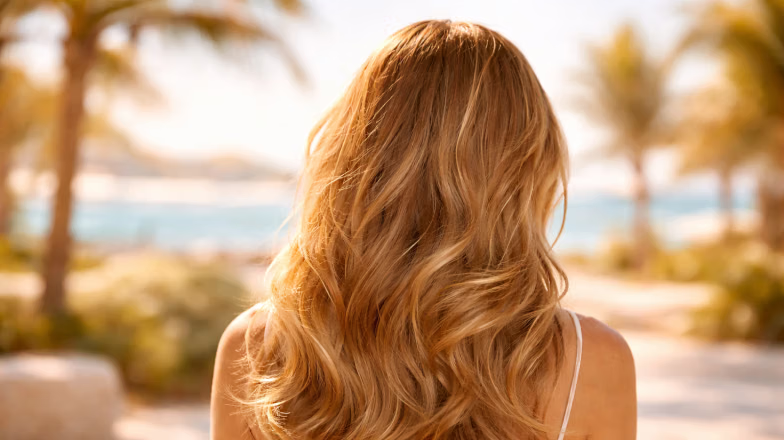
Dubai’s climate keeps hair under constant exposure.. Heat and strong sun affect the outer layer of the hair, while air-conditioning dries it out from another angle.
On top of that, a lot of clients here wash more often, swim regularly, or use heat styling daily just to keep hair looking polished.
Common Dubai triggers include:
UV exposure weakening the cuticle;
Pool chlorine stripping protective oils;
Salt water making hair feel stiff and tangled;
Hard water affecting smoothness and shine;
Frequent blow-drying because humidity changes styling habits.
Even healthy hair asks for help in this climate.
What Moisture Deficiency Looks Like
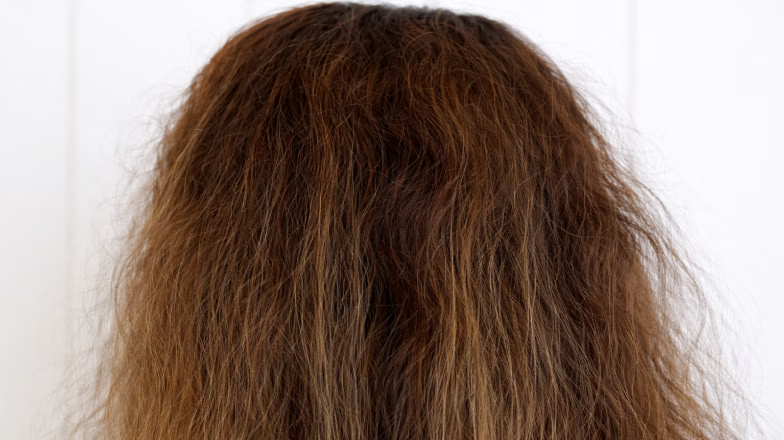
Moisture deficiency is basically dehydration. The hair structure is still mostly fine, but it feels thirsty. You’ll notice it most in texture, softness, and movement.
Signs your hair needs moisture:
Hair feels dry but still bends and stretches slightly;
Frizz shows up quickly after styling;
Ends feel rough, but don’t break immediately;
Hair tangles more than usual;
Shine disappears, especially in sunlight.
The biggest clue: hair still has flexibility. It may look dull, but it doesn’t feel “weak” in the deeper sense.
What usually causes moisture deficiency
Moisture loss often comes from:
frequent washing;
sun and heat exposure;
overuse of hot tools;
skipping leave-in products;
strong shampoos that clean too aggressively.
In Dubai, even one weekend outdoors can leave hair feeling like it aged two months.
Moisture masks can make damaged hair feel softer for a day or two, but the breakage keeps coming because the real issue is deeper.
Signs your hair has structural damage:
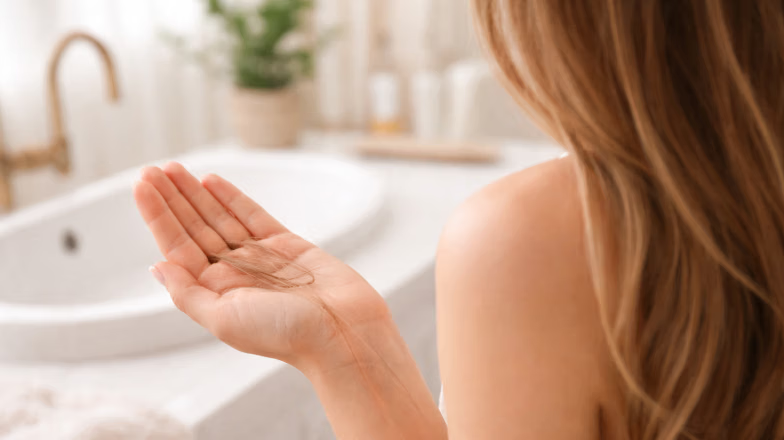
Hair snaps when brushing, even gently;
Ends look thinner or uneven;
Hair breaks mid-length (not just at the ends);
Strands feel stretchy or gummy when wet;
Curls lose shape and don’t hold definition;
Hair stays rough even after deep conditioning.
If your hair feels “fragile,” you’re likely dealing with structural damage.
A Simple Way to Tell the Difference at Home
You just need to observe how your hair reacts.
The wet strand test
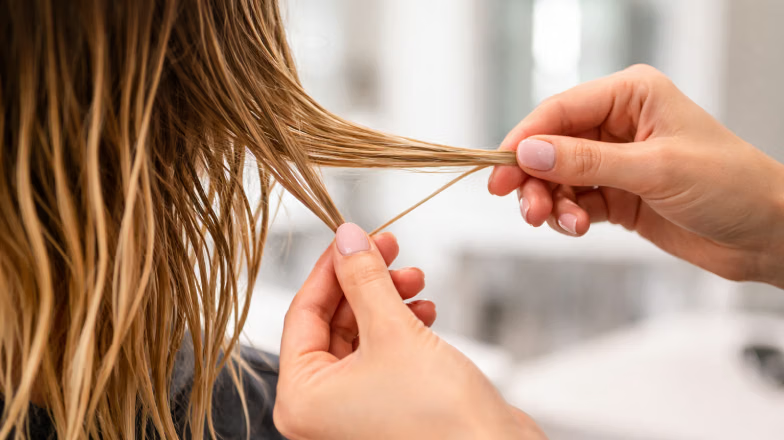
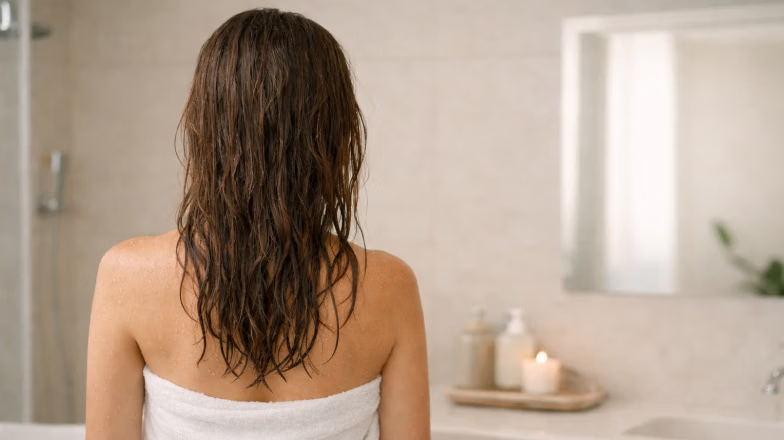
After washing, take one strand and stretch it gently:
Stretches slightly and returns back = moisture deficiency;
Stretches too much and feels elastic = structural weakness;
Snaps quickly with little stretch = brittle damage.
This quick test doesn’t replace a professional diagnosis, but it gives you a clearer direction before choosing products or booking a treatment.
The detangling test
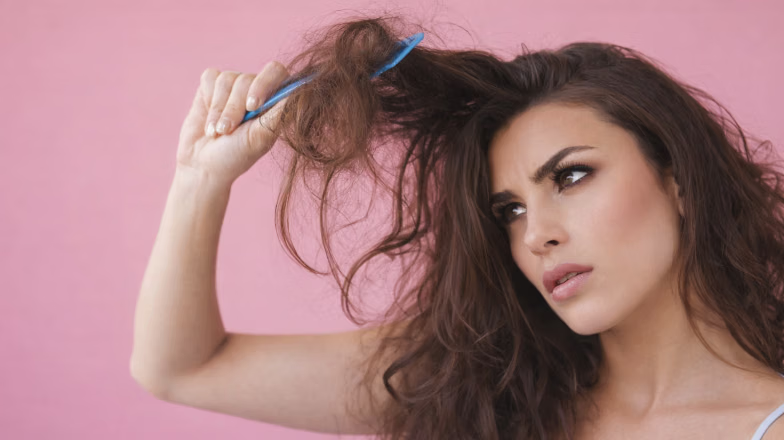
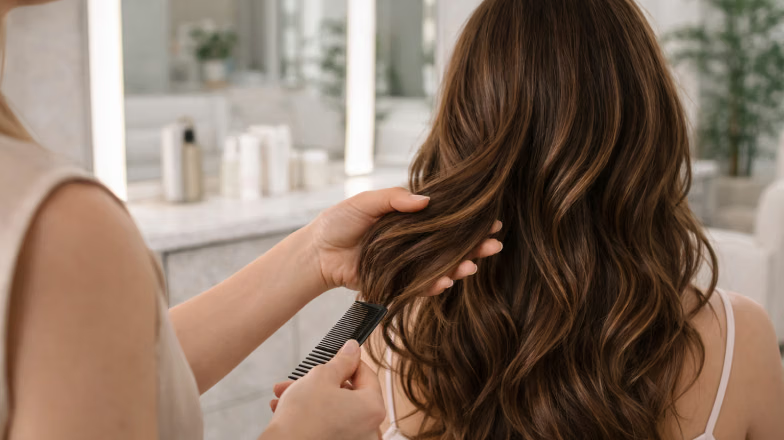
Try detangling with a wide-tooth comb:
Tangles release slowly but smoothly = dryness;
Hair breaks while you detangle = damage.
This is one of the easiest ways to spot the difference, especially if your hair feels fine when dry but becomes fragile after washing.
The sunlight check
Step outside. Dubai light is honest.
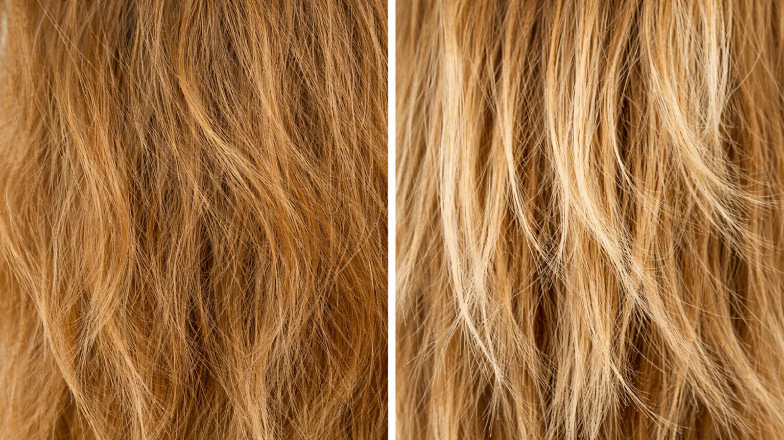
Hair looks dull but smooth = dehydration;
Hair looks dull and uneven in texture = damage is likely involved;
These tests aren’t perfect, but they’re enough to stop guessing.
Why People Confuse Dryness with Damage
Because both feel bad.
Dry hair feels rough and messy. So does the damaged hair. The difference is that moisture deficiency is easier to reverse, while damage tends to show up through breakage and thinning.
A common mistake is overcorrecting. Someone feels dryness, buys protein masks, keratin sprays, strengthening shampoos… and suddenly the hair becomes stiff, crunchy, and even harder to style.
That happens because dehydrated hair usually needs softness first, not more structure.
At the same time, truly damaged hair can’t be “fixed” with moisture alone. It needs support and rebuilding.
How We Identify the Real Cause in the Salon
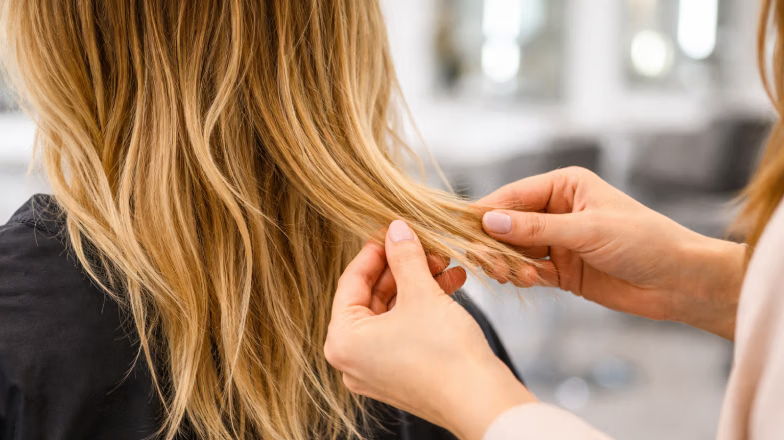
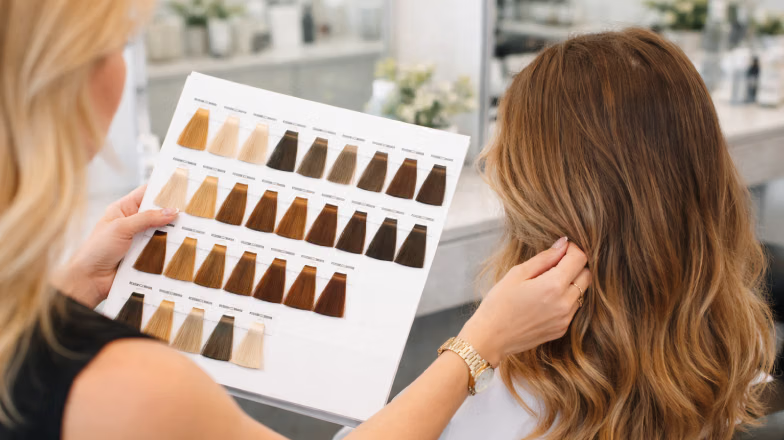
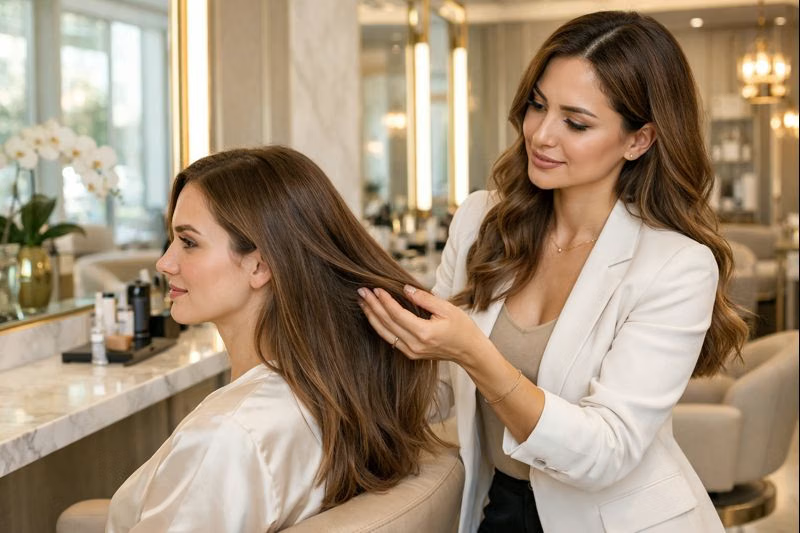
In salon consultations, we look beyond how hair feels in the moment. We check how it behaves wet, how it reacts to brushing, and where breakage appears.
At It’s Beauty Dubai, we typically assess:
elasticity (stretch response);
porosity (how quickly hair absorbs water);
density changes at the ends;
colour history (bleach, gloss, toners, treatments).
This is what helps us decide whether your hair needs hydration, bond support, or a combination.
Why the Dubai Approach Is Different
Hair care in Dubai needs a slightly smarter strategy, because stress is constant. There’s no “seasonal break” the way there is in colder climates.
We also work with an unusually wide range of hair types: European, Arabic, Indian, Asian, and mixed textures. Each one reacts differently to heat, lightening, toning, and humidity.
This is why a routine that works beautifully for fine blonde hair can be completely wrong for thick brunette hair, even if both feel dry.
Dubai hair care is less about trends and more about practical maintenance.
What Your Hair Actually Needs
In Dubai’s heat, dry hair and damaged hair often blur into one picture. Both can feel rough, dull, and harder to manage. The real difference shows up in behaviour. Hair that lacks moisture usually responds fast once hydration is restored. Structurally weakened hair reacts differently: it stretches too much, snaps easily, or keeps thinning at the ends over time.
The solution starts with reading those signals correctly. When the diagnosis is precise, treatment becomes simpler and more effective.
At It’s Beauty, we look at your texture, chemical history, daily habits, and how your hair reacts in real conditions. From there, we build a plan that may include hydration therapy, bond support, or a structured combination of both. The goal is steady improvement: hair that feels smoother, stronger, and more predictable week after week.