The Truth About Keratin Treatment: What It Really Does, the Risks, and What to Expect
Keratin treatment carries a lot of baggage: rumors about formaldehyde, promises of permanently straight hair, claims that it heals damage from the inside out. These myths travel fast, and they rarely match what happens in a salon chair. This guide sorts fact from marketing.
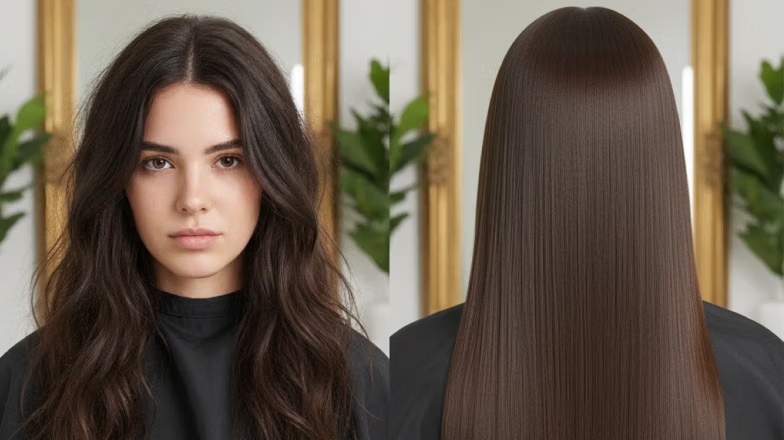
The real story is simpler and more useful. This treatment smooths the cuticle, tames frizz, and helps unruly hair hold up against UAE humidity — a temporary, protein-based fix rather than a chemical straightening procedure that rewrites hair structure. Nastya Bonds, co-founder of It's Beauty Salon, shares her professional take on where keratin genuinely earns its reputation, and where the hype outpaces the science. Read on for a clear-eyed look at what to expect.
What a keratin treatment is (and what it isn’t)
A keratin treatment is a semi-permanent salon service that coats the hair with protein to calm the cuticle and cut down on frizz. That's the short answer to what is keratin treatment, and it's worth sitting with, because most of the confusion around this service comes from expecting it to do something else entirely.
Here's the mechanism: the treatment deposits keratin protein into the hair shaft, filling in rough or porous spots along the cuticle and sealing them flat. The result is hair that lies smoother, catches less friction, and puffs up far less in humidity. It's a smoothing service first, and a frizz-reduction service second.
That distinction matters because keratin treatment works on the surface of the hair, while permanent straightening changes the internal bonds of the hair cortex the way a chemical relaxer does. Keratin's effect fades out gradually over a few months instead of locking hair into a new shape forever. The same goes for Brazilian blowout and Japanese straightening: salons and shoppers often use these names loosely, but each works through a different process with different results — a full side-by-side comparison is coming later in this guide, so it's worth reading before deciding which service to book.
How keratin treatment works
Keratin is the natural protein that already makes up most of your hair, so a keratin treatment simply reintroduces more of it in concentrated, hydrolyzed keratin form — molecules small enough to actually get into the hair shaft instead of just sitting on top of it.
Once applied, that protein settles into porous, rough patches along the cuticle where the hair's outer layer has lifted or worn thin from color, heat, or sun exposure. On its own, though, the protein wouldn't stay put. That's where heat sealing comes in: a flat iron run over each section at high temperature bonds the keratin to the hair, sealing the cuticle flat and locking the smoothing effect in place.
It's worth being upfront about the timeline here. This bond isn't permanent. Ordinary washing, friction, and the natural growth cycle wear the protein layer down gradually, and most people see the smoothing effect fade out over a few months rather than stay indefinitely.
Whether is keratin treatment good for hair depends on your hair type — there's no single answer that applies to everyone, and that's exactly the honesty this treatment deserves.
This procedure tends to work well for frizzy hair, coarse hair, and thick, wavy or curly hair, where the extra protein and heat sealing genuinely reduce puffiness, soften the curl pattern, and cut down on styling time. Color-treated hair can also respond well, since keratin fills in the porous spots that coloring leaves behind, though timing matters — most stylists recommend spacing keratin and hair coloring sessions a couple of weeks apart so neither service undercuts the other. Bleached hair falls into this same "handle with care" category, since it's already more porous and needs a gentler formula and timing plan.
On the other hand, this treatment isn't the right call for every hair type:
Very fine hair — the added protein can weigh strands down and flatten volume rather than improve manageability
Brittle hair — already-fragile strands can become more prone to snapping under the heat sealing process
Severely damaged hair — hair with significant existing breakage may see that damage worsen rather than disguised
This is the part of the "truth" this guide promised: keratin smooths and protects healthy-to-moderately-stressed hair well, but it isn't a fix for hair that's already struggling.
Benefits of keratin treatment
Hair keratin treatment benefits show up most in day-to-day manageability, and that's really the point:
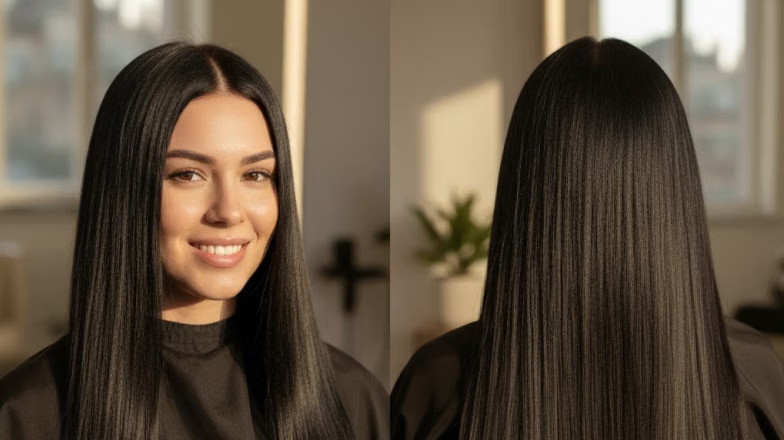
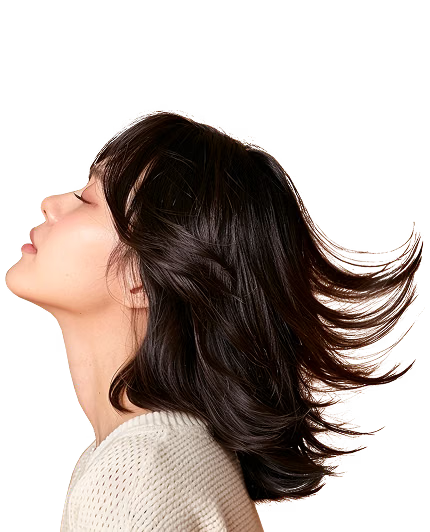
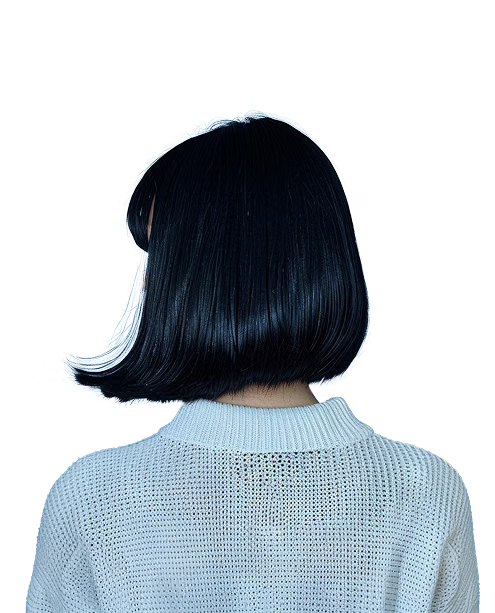
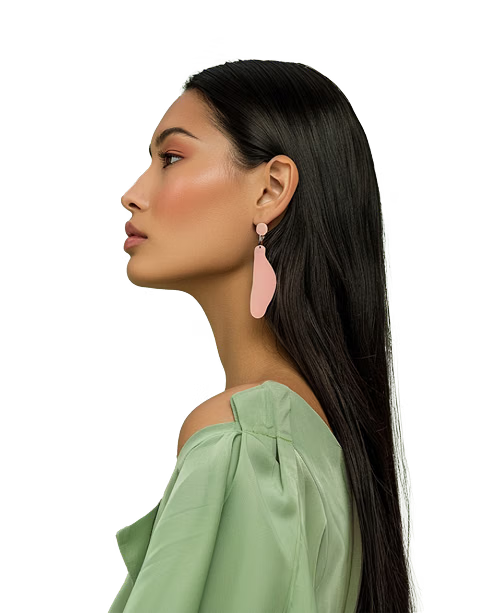
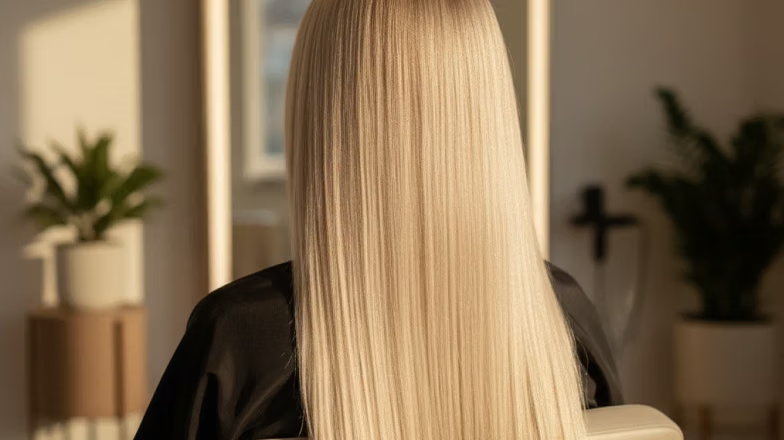
Less frizz — the sealed cuticle resists humidity and static, so hair stays calmer through the day
Added shine — a smoother cuticle reflects light more evenly, giving hair a glossier look
Sealed split ends — the protein coating flattens rough, split ends, so they're less noticeable and less prone to catching
Faster styling time — treated strands hold less water and need less time and heat to dry
Easier manageability — hair detangles faster and needs less product to look finished
Humidity resistance — this is the one that matters most in the UAE climate, where keratin hair treatment genuinely holds its own against Dubai's heat and moisture better than untreated hair
None of this amounts to a cure or a permanent upgrade. It's a frizz-control service that makes styling easier and results last longer. That distinction is worth keeping in mind as the real payoff of the treatment.
The truth about formaldehyde and safety
The formaldehyde question is the biggest reason people hesitate before booking a keratin treatment, and it deserves a straight answer instead of reassurance.
Many keratin formulas do contain formaldehyde, or release it as a gas when heated with a flat iron during the sealing step. That's not a rumor — it's chemistry, and it's why some countries and salons have restricted or banned certain formulations, and why clients report headaches, eye irritation, or breathing discomfort during and after the service. The fumes are the real issue, not the protein itself, and they build up fastest in small, poorly ventilated rooms.
The good news is that formaldehyde isn't the only way to seal keratin into hair. Glyoxylic acid is a formaldehyde-free alternative that achieves a similar smoothing result through a different chemical reaction, without releasing the same irritating fumes. It's a low-odour option that's become the standard for salons prioritizing client comfort and safety over shortcuts.
A few groups should skip the treatment altogether regardless of formula: pregnant clients, as a precaution against any airborne exposure, and anyone with severe sensitivity to chemical fumes or a history of strong reactions to salon treatments.
At It's Beauty Salon, every hair keratin treatment uses a formaldehyde-free formula built on glyoxylic acid, performed in a well-ventilated space with a filter mask available for anyone who wants one — details worth confirming directly through the keratin treatment service at our salon before booking.
Keratin treatment side effects
Keratin treatment side effects are usually mild and temporary, but they're worth knowing before you sit in the chair.
The most common one is a temporary loss of curl pattern. Hair that's naturally wavy or curly can look noticeably straighter for a few weeks after treatment, then gradually spring back to its usual shape as the protein washes out. Overuse is the bigger risk: applying keratin too frequently, without enough time between sessions, can cause protein overload, leaving hair feeling stiff, weighed down, or prone to brittleness. In some cases, this buildup can also weaken the hair's internal bonds, making strands more prone to breakage than usual. The heat sealing step itself can also cause dryness if aftercare skips moisture, especially for anyone already managing color-treated or bleached strands. And for formaldehyde-based formulas specifically, some clients experience scalp irritation or mild burning during the flat-iron step, on top of the fume-related discomfort covered earlier.
None of this is a reason to avoid the treatment outright. It's a reason to be selective. Choosing the right formula, spacing sessions out properly, and working with a trained stylist rather than a rushed or unlicensed setup addresses most of these risks before they start.
Keratin treatment vs Brazilian blowout vs hair botox
These three services get lumped together constantly, and it's easy to see why. All three fall under the hair smoothing umbrella, all three use a flat iron at some point, and salons don't always explain the differences clearly — sometimes Japanese straightening gets thrown into the same conversation too, even though it's a far more permanent chemical salon process than any of these three. But keratin treatment, Brazilian blowout, and hair botox work through different mechanisms and deliver different results, so the right choice depends on what you actually want out of it.
Feature
Keratin treatment
Brazilian keratin blowout
Hair botox
Main purpose
Smooths hair cuticle, reduces frizz, softens curl
Smooths and seals to eliminate frizz
Deep conditioning + frizz control with moisture
How it works
Protein + heat seal the cuticle
A liquid formula bonds to the hair, sealed with heat
Nourishing blend fills and coats the strand (no harsh chemicals)
Effect on curl
Softens, can loosen curl
Smooths but keeps some movement
Preserves curl, smooths frizz only
Longevity
2–6 months
Around 3 months
2–4 months
Best for
Frizzy, coarse, thick, wavy or curly hair
Most hair types wanting smooth, glossy finish
Hair needing moisture and shine without straightening
If curl preservation matters to you, hair botox is the gentler route. It skips the protein-and-heat mechanism entirely in favor of deep conditioning, so texture stays intact while frizz calms down. Longevity is another factor worth weighing: if you want more noticeable smoothing and don't mind some curl softening, keratin treatment or a Brazilian blowout will get you closer to that sleek, low-maintenance result, with keratin generally holding up longer between sessions.
What to expect at It’s Beauty Salon
A keratin treatment session follows a fairly consistent process, and knowing the steps ahead of time makes it easier to gauge whether a salon is doing things properly.
It starts with a consultation, where your stylist looks at your hair type, porosity, and any recent coloring before recommending the right formula and timing. Next comes a clarifying wash, which strips away product buildup and natural oils so the keratin can absorb evenly rather than sitting on top of residue. From there, application happens section by section, followed by a processing period that lets the protein settle into the cuticle. A full blow-dry removes moisture before the final step: flat iron heat sealing, which locks the protein in place and gives hair its smoothed, glossy finish.
At It's Beauty Salon, every step happens with a formaldehyde-free formula built on glyoxylic acid, in a well-ventilated space, with a filter mask offered to anyone who prefers one and a patch test available beforehand for sensitive skin. Nastya Bonds, co-founder of the salon, has built the protocol around exactly these safeguards, having seen firsthand how much comfort and confidence they add to the experience.
The service is available at It's Beauty Salon locations across Dubai — Marina, Internet City, DIFC, and Business Bay — and in Abu Dhabi at Al Zahiyah and Al Raha Boulevard. Book a consultation at your nearest hair salon in Dubai or Abu Dhabi branch, or explore the fullkeratin treatment service at our salon page for more detail.
Aftercare that extends results
The first 72 hours after a keratin treatment matter more than anything else you'll do afterward. During that window, avoid water, styling products, and even tying your hair up — any of these can interrupt the protein bond before it fully sets.
Once that window passes, a few habits keep results going longer:
Switch to a sulfate-free and sodium chloride-free shampoo, since regular formulas strip the protein coating faster than it should wear down naturally
Steer clear of chlorine and saltwater where possible, or rinse and protect hair immediately after pool or beach time — a real consideration living in the UAE
Work in keratin-infused products and a deep conditioning treatment every couple of weeks to keep hair from drying out
Swap your regular pillowcase for a silk pillowcase, which creates less friction against the cuticle overnight
Use heat protection before any blow-drying or styling, and stick to less frequent washing overall — two to three times a week is usually enough
None of this is complicated, but skipping it is the fastest way to shorten how long a keratin treatment actually lasts.
FAQ
A keratin treatment typically lasts two to six months, depending on hair type, formula, and aftercare. Coarser or curlier hair tends to hold results longer than fine hair, and washing frequency plays a big role too. Using sulfate-free shampoo and spacing out washes helps extend that window naturally.
A keratin treatment is generally safe when performed by a trained stylist using a well-ventilated space and a formula suited to your hair and sensitivity level. Formaldehyde-free options like glyoxylic acid reduce risk further. Pregnant clients and those with severe fume sensitivity should skip it or consult a doctor first.
Some keratin treatment formulas contain or release formaldehyde when heated, while others use formaldehyde-free alternatives like glyoxylic acid instead. It depends entirely on the specific product a salon uses. Always ask which formula is being applied before booking, especially if you're sensitive to fumes.
No, a keratin treatment does not straighten hair permanently — it smooths the cuticle and softens curl temporarily. The effect fades gradually over a few months as the protein washes out. For permanent straightening, a different chemical process would be required, with its own separate risks.
A keratin treatment can be safe for colored or bleached hair, but timing matters. Most stylists recommend waiting about two weeks after coloring before applying keratin, so neither service compromises the other. Bleached hair also needs a gentler formula since it's already more porous.
A keratin treatment uses protein sealed with heat and tends to soften curl more, while a Brazilian blowout uses a liquid formula that smooths hair while preserving more natural movement. Longevity differs slightly too — keratin generally lasts a bit longer than a Brazilian blowout.
At-home keratin kits exist, but they carry more risk than salon treatments, since uneven application or incorrect heat settings can damage hair or reduce results significantly. A trained stylist controls formula choice, timing, and heat sealing precisely — details worth discussing during a consultation rather than guessing at home.




 Keratin treatment carries a lot of baggage: rumors about formaldehyde, promises of permanently straight hair, claims that it heals damage from the inside out. These myths travel fast, and they rarely match what happens in a salon chair. This guide sorts fact from marketing.


 Less frizz — the sealed cuticle resists humidity and static, so hair stays calmer through the day
 Switch to a sulfate-free and sodium chloride-free shampoo, since regular formulas strip the protein coating faster than it should wear down naturally