
logo
2026-04-16
/
Protein Overload. The Hair Mistake No One Warned You About
MainBlogProtein Overload. The Hair Mistake No One Warned You About
Beauty Expert | Co-founder of It’s Beauty UAE
Nastya Bonds
Beauty Expert | Co-founder of It’s Beauty UAE

Protein Overload. The Hair Mistake No One Warned You About

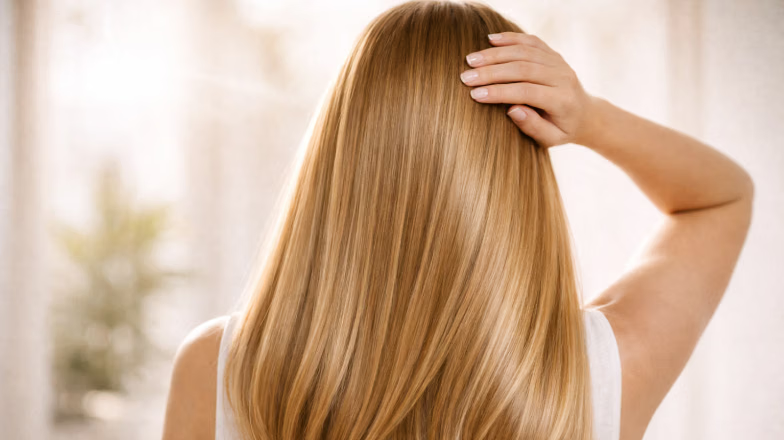
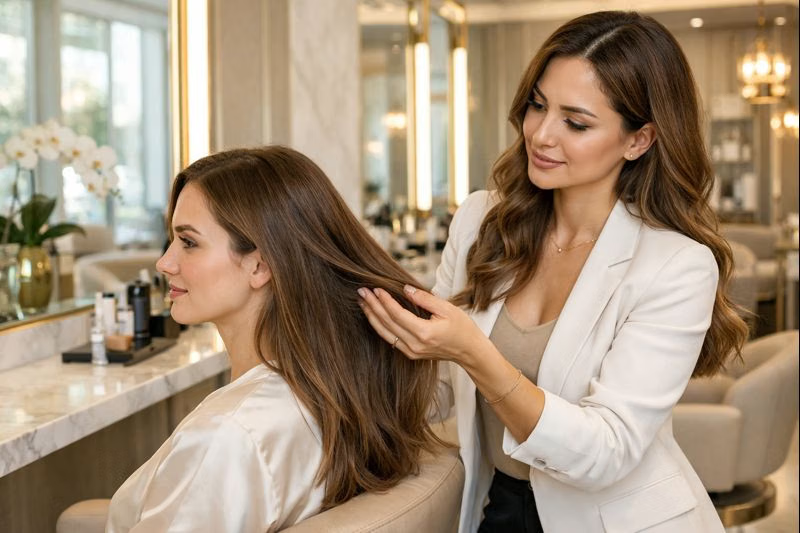
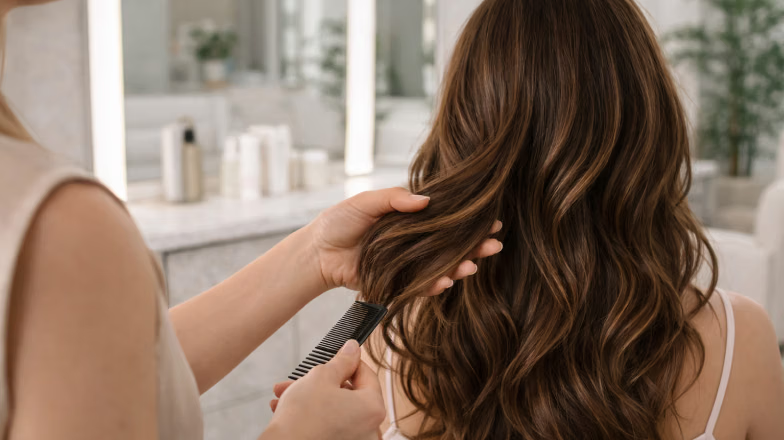
Woman styling long hair while looking in the mirror, representing the effects of protein overload on hair condition

Too much protein can break hair. Many of our clients invest in professional colouring and treatments at It’s Beauty, then support their hair at home with masks and repair products. And occasionally, with very good intentions, the texture starts to change…

Hair feels stiff. Slightly rough. Less fluid when you move it. Protein overload is one possible reason. 

Protein is essential for strength. But strength without flexibility creates a different kind of problem. 

What protein overload means
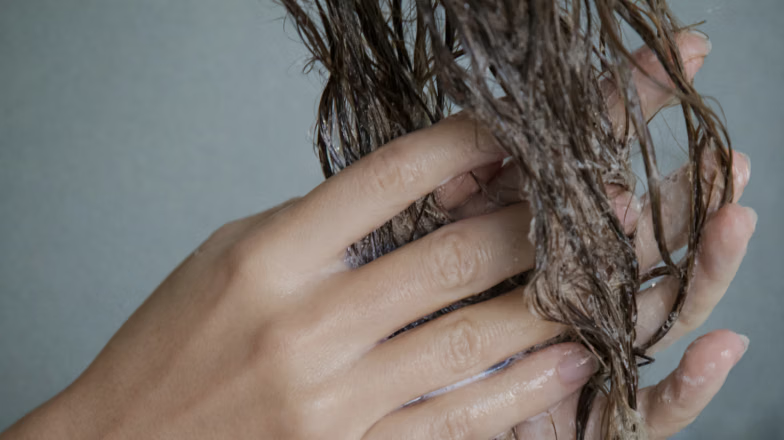
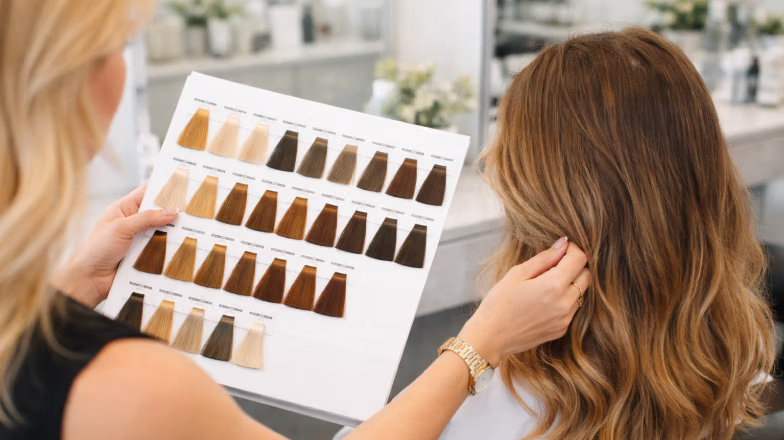
Close-up of hair coated with a treatment product, illustrating buildup that can lead to protein overload

Hair is built from keratin, a protein. That is why strengthening products contain ingredients such as hydrolysed keratin, collagen, silk proteins, or amino acids. These ingredients reinforce weak areas along the strand.

Used correctly, they restore resilience. Used too frequently, they can make hair rigid.

Protein overload develops when strengthening treatments are layered too often, especially after lightening services. Sometimes clients combine bond builders, protein masks, and strengthening shampoos at the same time. Moisture then becomes secondary, and flexibility slowly decreases.

The shift is gradual. That’s why it’s often overlooked.

How to recognise the early signs

The first change is in texture.
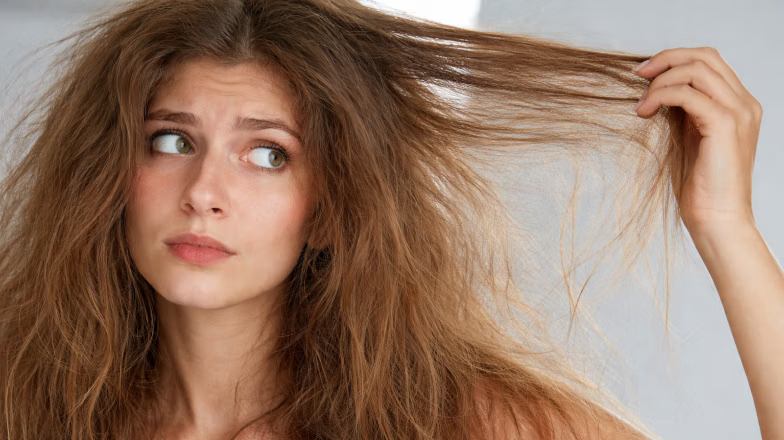
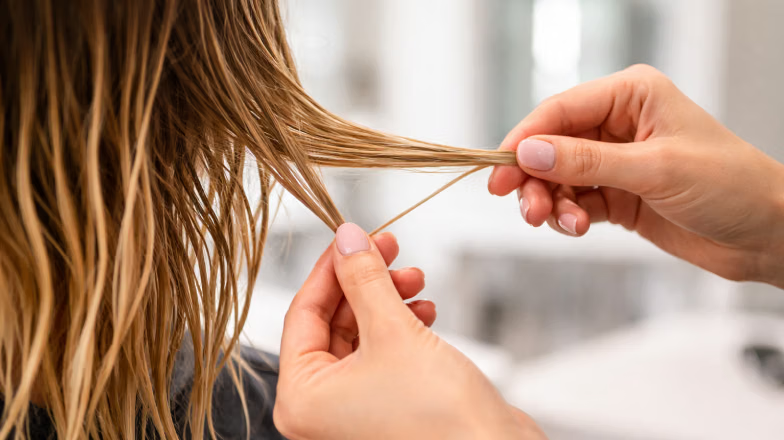
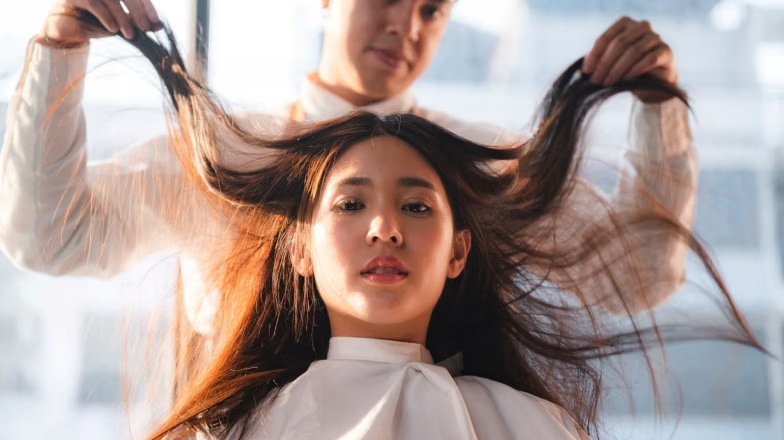
Woman examining her dry, frizzy hair and pulling a strand to show damage and stiffness from protein overload

Hair feels harder than usual

Not dry in a soft way, but firm, slightly rough, almost resistant to movement.

There is no shine 

Instead of reflecting light smoothly, hair can appear dull or matte. See the previous picture; there is no shine, and the hair is dry and hard.

Tangles increase

Ends knot more easily, even when conditioner is used regularly.

Strands snap instead of stretching

Healthy hair has a bit of give. If you gently stretch a strand and it snaps right away, that “flex” is missing, the hair has started to lose its flexibility.

A lot of people call this “just dryness”, but there’s a small difference in how it feels. Dryness feels like hair that’s simply thirsty: rough, dull, craving moisture. Protein overload feels more like hair that’s stiff: tighter, harder, almost crispy, and it breaks instead of bending.

Why this shows up more in Dubai

Climate amplifies everything.

Sun exposure

UV weakens the outer layer of the hair. Many people respond by adding more repair products, which makes sense, but only to a point.

Frequent washing

Sweat, beach visits, and active routines lead to more shampooing. Some strengthening shampoos already contain protein.

Lightened hair maintenance

Blonde, highlights, and balayage really do need extra support, especially if you want the hair to stay strong and feel soft. Bond builders like K18 or Olaplex can be a great help, but if you keep doing “repair, repair, repair” without enough hydration in between, the hair begins to feel tight, stiff, and less flexible.

We see this most often after summer or after a period where someone goes all-in on intensive repair treatments.

How professionals assess the situation

Protein overload cannot be diagnosed by reading one product label. A stylist evaluates elasticity, surface texture, porosity, and chemical history. 

Sometimes hair simply needs a hydration-focused reset. In other cases, product buildup needs gentle clarification first.

A professional adjustment may include:

  • Moisture-rich masks without added protein;
  • pH-balancing treatments;
  • Controlled bond-repair scheduling;
  • Home-care simplification.

The goal is balance. Hair should bend slightly, reflect light, and feel smooth between the fingers.

Preventing imbalance

Prevention is straightforward once you know what to watch for.

  • Alternate strengthening treatments with hydration.
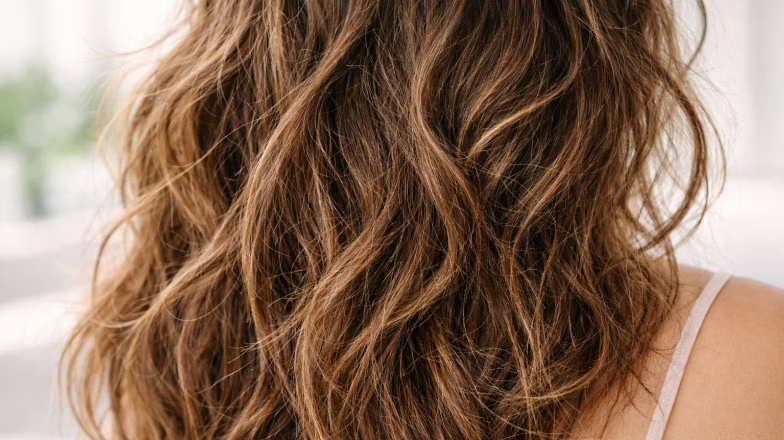
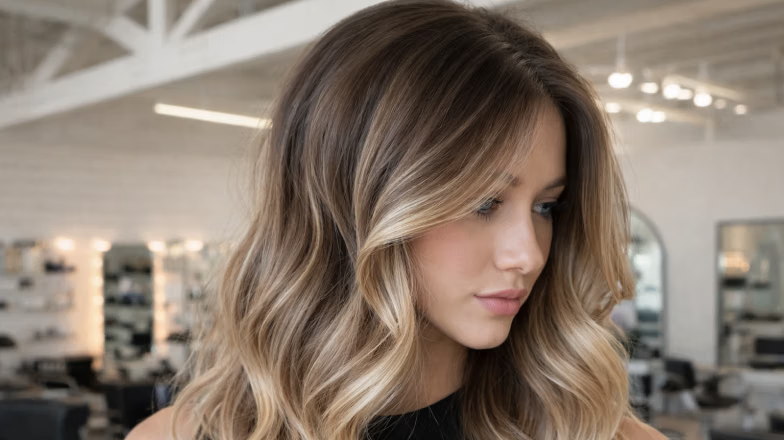
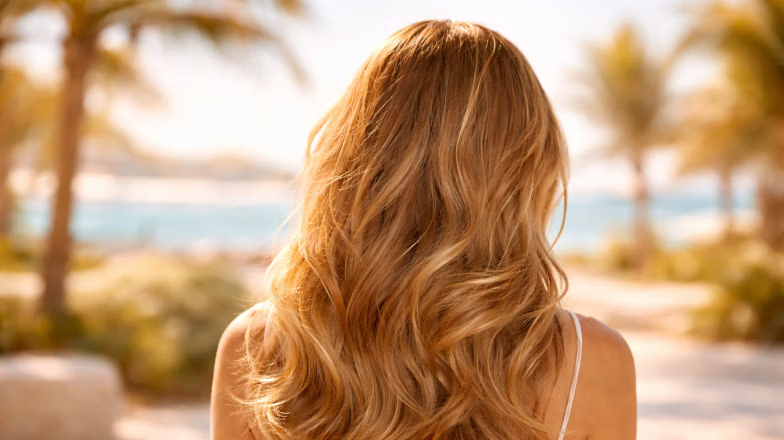
Close-up of dry wavy hair texture showing roughness and lack of moisture caused by protein overload
  • Avoid stacking multiple repair systems simultaneously.
  • Adjust routines seasonally. Summer often calls for more moisture.
  • Reassess after chemical services instead of repeating the same mask weekly.
  • Hair responds well to consistency, but it also responds to listening.

If texture shifts, it’s usually a signal: not damage beyond repair!

When to book a consultation

If your hair suddenly feels firmer, less glossy, or more tangled than usual, a quick evaluation at It’s Beauty can clarify what it needs.