
logo
2026-04-15
/
What Is the Difference Between Oxidative and Direct Dyes?
MainBlogWhat Is the Difference Between Oxidative and Direct Dyes?
Beauty Expert | Co-founder of It’s Beauty UAE
Nastya Bonds
Beauty Expert | Co-founder of It’s Beauty UAE

What Is the Difference Between Oxidative and Direct Dyes?

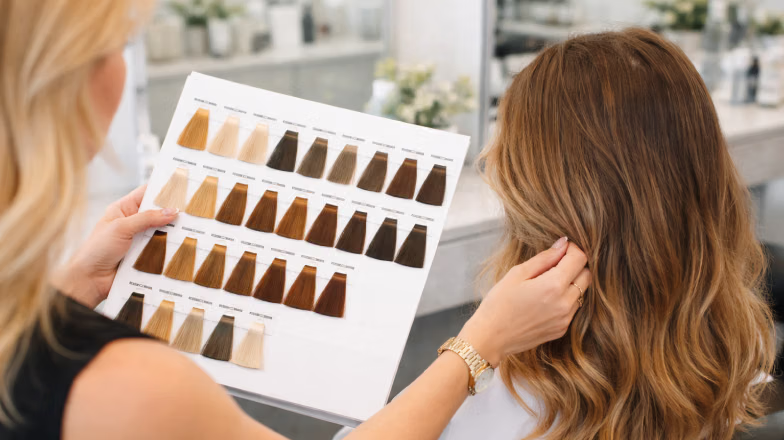
Client reviewing a hair colour swatch chart with a stylist to choose the right shade for dyeing

Hair colour services often come with confusing labels. One stylist says “permanent,” another recommends a gloss, and someone else suggests a toner. On the surface, they can look similar, especially when the result is a beautiful, natural shade.

The difference usually comes down to the type of dye being used: oxidative or direct. Once you understand how each one works, it becomes much easier to choose the right service and set realistic expectations.

In Dubai, this matters even more. Sun exposure, heat, and frequent washing can affect how colour fades and how long the tone stays balanced. At It’s Beauty, we always explain which type of dye is used and why it fits your hair goals and lifestyle.

Oxidative dyes: the long-term option

Oxidative dyes are used for most permanent and demi-permanent colour services. They work with a developer, which allows pigment to form inside the hair structure rather than just sit on top. This means:

  • Stronger grey coverage;
  • Ability to lighten natural hair;
  • More dramatic colour changes;
  • Longer-lasting roots and depth.

If someone wants to go from dark brown to lighter caramel or needs consistent grey coverage, oxidative dye is usually part of the process. The pigment develops inside the strand, the colour tends to stay stable longer.

Direct dyes: tone, shine, and refresh

Direct dyes work without a developer and deposit pigment closer to the surface of the hair, leaving the internal structure largely unchanged. You’ll see direct dyes used in:

They’re perfect when the base colour is already there, but the tone needs adjusting.

For example, after a few weeks in the sun, blonde hair can start looking warmer. A gloss using direct dye can rebalance the shade and restore shine without re-lightening the hair.

They fade gradually with washing, which makes them flexible and easy to maintain.
So which one lasts longer?

In most cases, oxidative dyes last longer because the colour forms inside the hair. Direct dyes fade sooner, especially with frequent washing or sun exposure.

But “longer” isn’t always better. Many clients prefer gloss appointments every 4–6 weeks because it keeps the tone clean without repeatedly lifting the hair.

Often, both types work together. Oxidative colour builds the base. Direct dye refines and maintains it.

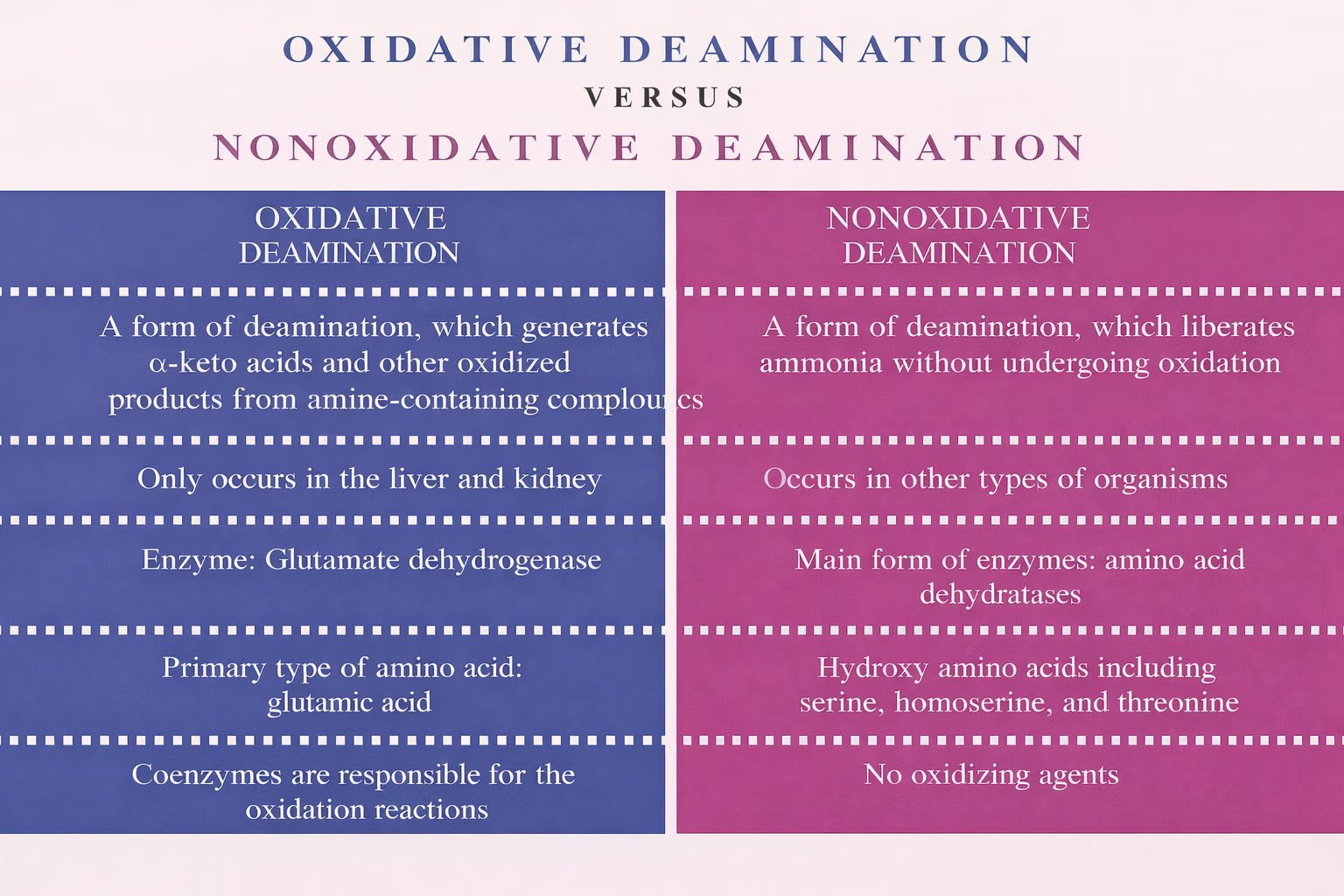
Infographic comparing oxidative and nonoxidative hair dyes, highlighting key differences in formulation and results

Modern colour is more controlled than before

Hair colour today isn’t what it was 10 years ago. Professional formulas are designed to support the hair during processing, not just change the shade.

At It’s Beauty, we frequently pair colour services with strengthening or nourishing treatments such as:

  • Davines Nourishing Treatment;
  • K18 repair;
  • Olaplex support.

In Dubai’s heat, maintaining moisture and smoothness becomes just as important as maintaining tone. Healthy hair simply holds colour better.

How we decide which dye to use

Picking between oxidative colour and a direct dye we look at a few things that change the outcome fast:

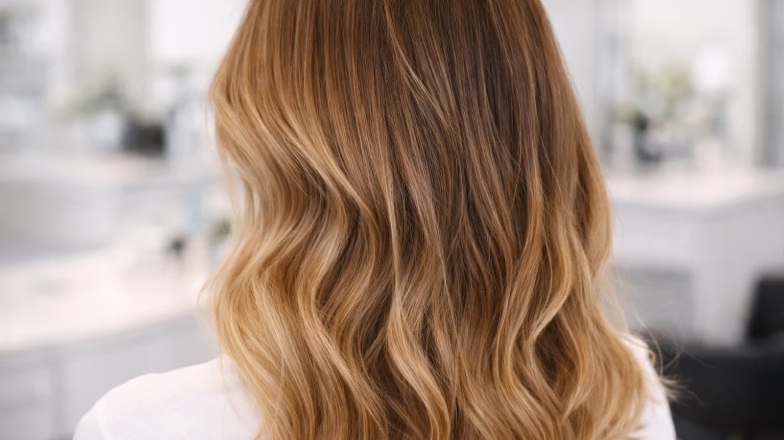
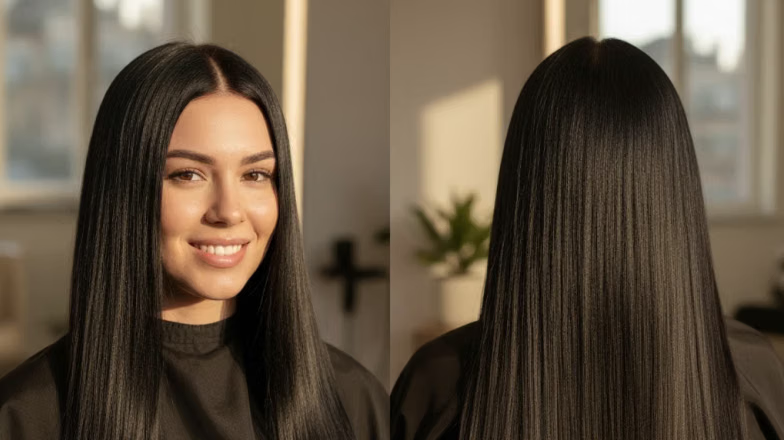
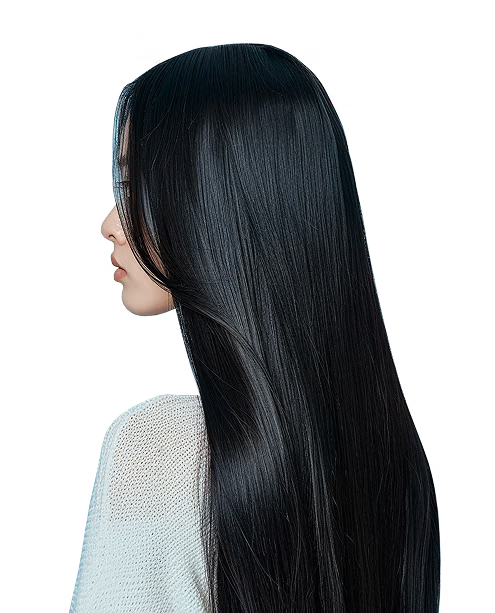
Back view of a woman with long wavy hair showing smooth blended colour after professional dye treatment
  • Your natural base colour. How light/dark you are and how warm/cool your base runs;
  • Your colour history (box dye, highlights, previous toners, any stubborn buildup);
  • The result you want (softer refresh vs stronger change, more depth vs more brightness;
  • How much upkeep you’re willing to do: salon visits, home care, toning schedule;
  • Your lifestyle + sun exposure.

If you’re getting ready for something important and you want colour that looks rich, even, and reliable, oxidative colour is often the best choice. If you’re keeping blonde clean between appointments (or you just want your colour to look “fresh again” without a full service), a gloss/toner can be the perfect quick reset.

A clear plan leads to better results

Oxidative dyes create structure and longevity. Direct dyes refine and refresh. Both have their place in professional colouring. If you’re planning a colour change or simply want to understand what’s happening during your appointment, the team at It’s Beauty can guide you through a detailed consultation and recommend the option that fits your hair type, maintenance routine, and environment.