What Is a Moroccan Bath and Why Women in the UAE Choose It

For many women in the UAE, a Moroccan bath is part of their regular self-care routine, much like planning waxing, nails, or hair appointments. It gives the body a deep cleanse, removes built-up dead skin, and helps the skin stay comfortable despite the constant shift between outdoor heat and indoor AC.
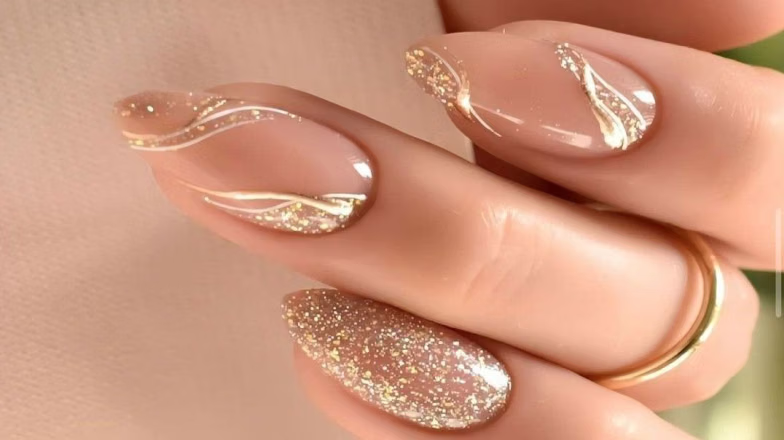
Many women also like to complement their hammam sessions with beauty procedures at It's Beauty, such as manicures, pedicures, hair treatments, or brow and lash care, to keep their overall look polished and well maintained.
Moroccan Bath Definition and Traditional Method

Put simply, a Moroccan bath, or hammam, is a traditional deep-cleansing body treatment that started in North Africa. And, actually, it is still very popular today. It combines warm steam, natural black soap, and a textured exfoliating glove called a kessa. Together, these elements help loosen dead skin, clear the pores, and leave your body feeling refreshed and well cared for.
The black soap used in a Moroccan bath is usually made from olives and other plant-based ingredients. It helps soften the outer layer of the skin so dead cells come off more easily during exfoliation. In other words, the treatment is designed first of all for clean, healthy skin, with relaxation as a pleasant bonus.
Combining Moroccan Bath With It's Beauty Salon Procedures
A Moroccan bath involves heat, steam, and active exfoliation, so some beauty treatments should be done after, some before, and others need a small waiting period. Below is a practical guide showing how hammam interacts with manicure, pedicure, hair treatments, brows, and lashes.
| Beauty Service | Before Hammam | After Hammam | Restrictions / Notes |
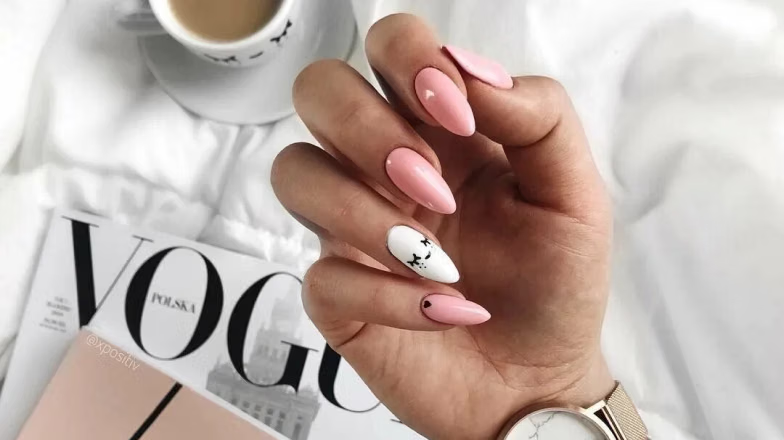
| Manicure | Fine to do before, but exfoliation may make cuticles softer (manicure may lose precision). | Best timing — nails stay neat longer on freshly softened skin. | Avoid hot steam for 6–8 hours after gel application to prevent lifting. |
| Pedicure | Possible before, but hammam will soften feet again. | Ideal timing — softened skin improves result of Russian or classic pedicure. | Very hot steam may affect fresh gel polish on toes (low risk but possible). |
| Gel Polish (Hands/Feet) | Not recommended right before hammam — heat can cause gel lifting on fresh applications. | Safe, but wait until the skin is fully cool and dry after the bath. | Give gel 4–6 hours post-hammam before long exposure to heat/steam. |
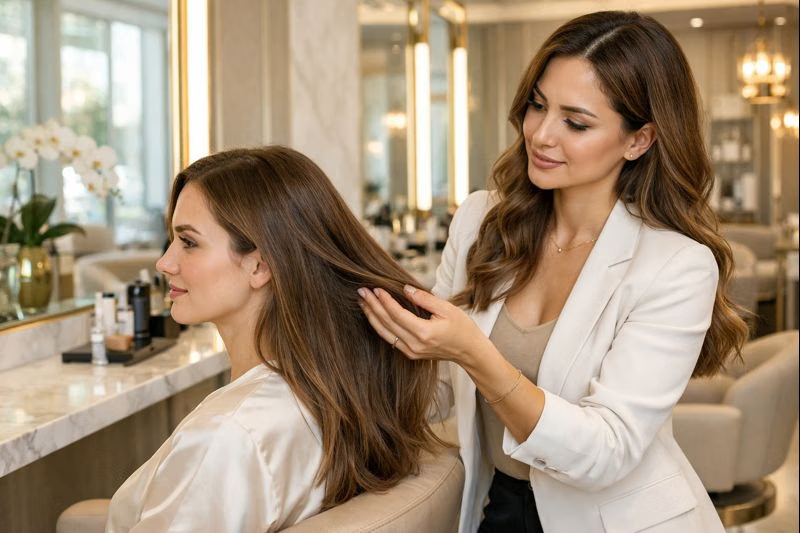
| Haircut & Styling | Can be done anytime. | Works well after hammam since hair is soft from steam. | None. |
| Hair Coloring | Better after hammam. Exfoliating steam removes natural oils that protect scalp during dyeing. | Best choice — color absorbs evenly on clean, product-free hair. | Do not color immediately before hammam. Scalp may feel sensitive. |
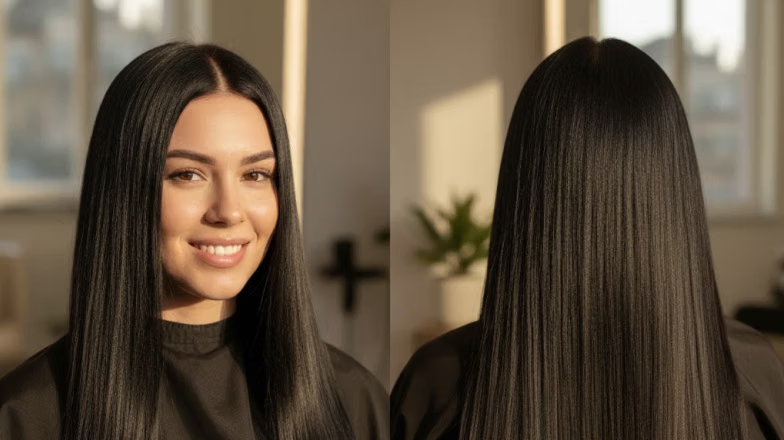
| Keratin / Protein / Botox Hair Treatments | Avoid doing hammam after keratin — steam can open cuticles and reduce effect. | Do keratin after, not before. | After keratin: avoid hammam for at least 2 weeks. |
| Scalp Treatments | Fine, but products may wash off faster during hammam. | Best after hammam when scalp is clean and pores are open. | Avoid strong scrubs right before hammam (double exfoliation). |
| Brow Lamination / Tinting | Avoid hammam right after lamination — steam may weaken the lift. | Do brows after hammam for best longevity. | After brow lamination: no steam for 24 hours. |
| Lash Lamination / Lash Extensions | No hammam for 24–48 hours after lash lamination or extensions. | Safest after hammam — lashes last longer. | Steam can weaken glue, reduce curl, cause premature shedding. |
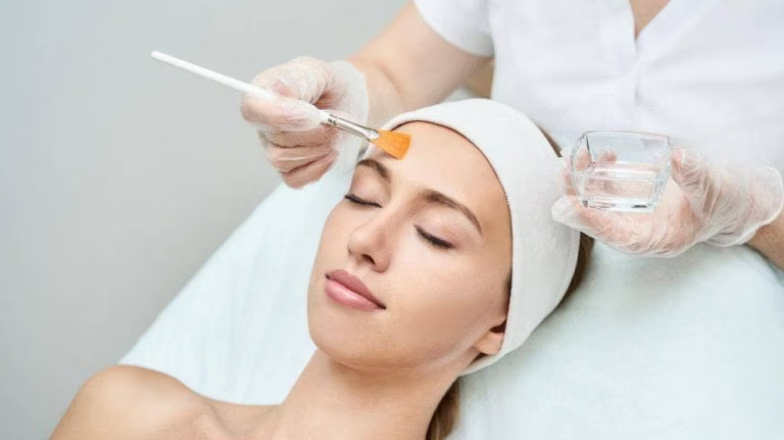
| Facials | Can be done before, but skin may be sensitive. | Very good timing — hammam preps skin for gentle facials. | Avoid strong peels + hammam on same day. |
Use your hammam as the “main event” and schedule heat-sensitive services (like keratin, lash/brow work, or extensions) after it, or with at least a 24–48 hour gap. When in doubt, mention your full plan to your therapist or stylist so they can time everything for better, longer-lasting results.