



Cuticle Erosion Explained. How to Prevent It Without Babying Your Hands
Cuticles can look great on Monday and frayed by Friday, and it’s not because you’re doing something wrong. It’s the environment and your day-to-day habits. Constant A/C dries the skin out, and sun and heat don’t exactly help either. Add frequent handwashing, alcohol-based sanitiser, pool chlorine, and the occasional beach day, and the thin skin around your nails doesn’t get much of a break.
Then there’s the beauty side: regular manicures and that ultra-clean cuticle finish. The problem is that when cuticle work gets a little too aggressive (too much trimming, too much e-file pressure, too often), the cuticle edge can start to thin and roughen. That’s when you see hangnails, peeling, and that always dry look that ruins an otherwise perfect set.
If you want a professional, gentle cuticle tidy-up without overdoing it, the manicure options on It’s Beauty are a good starting point.
What cuticle erosion looks like
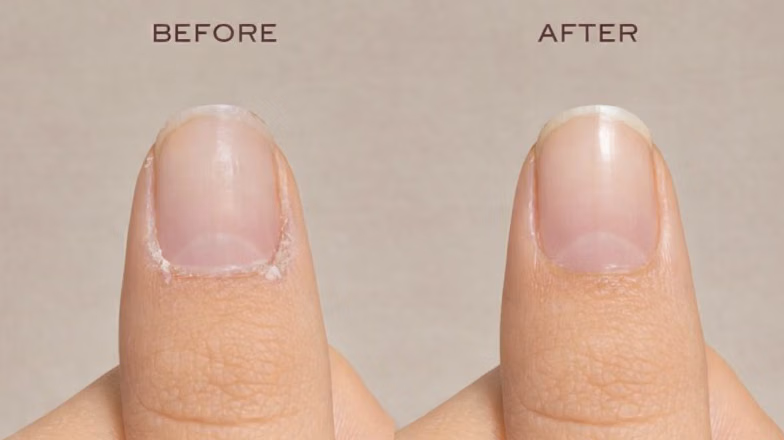
Cuticle erosion means the thin cuticle edge at the base of the nail becomes dry, patchy, or uneven. You might see hangnails, rough skin that catches on clothes, or a cuticle line that never looks smooth for long.
That little strip of skin helps protect the nail area. When it is irritated and dry, the surrounding skin flares up faster, and your manicure loses its clean look sooner.
Why it happens
Cuticle erosion builds up through repetition. The skin around the nails is delicate. It reacts to the same few stresses over and over: wet-to-dry cycles, harsh products, and overly aggressive cuticle work.
Dubai's dry air and water habits
Dubai is tough on the hands. Indoors, A/C keeps the air dry for hours. Outdoors, heat and sun pull moisture out of skin. Add salt water or chlorine, and the cuticle area can dry out fast.
Handwashing adds another layer. Water swells the skin, then the skin tightens again as it dries. Do that a dozen times a day, and the cuticle edge starts to crack and fray.
Then there is sanitiser. It is useful, but alcohol strips oils. If you use sanitiser often, the cuticles need moisture afterwards, ideally the same day.
Manicure technique also matters. A crisp, detailed cuticle finish can look amazing. But if the cuticle is trimmed too deeply or filed too hard, the area turns sensitive and flaky. It is the nail version of over-exfoliating your face: smooth for a moment, annoyed for days.
What to do at home
The best home care is simple enough to keep up. Think small, daily top-ups rather than complicated routines that last three days and then disappear.
A small routine
Before the list, a practical tip: place your cuticle oil where you will see it. Next to hand soap or on your bedside table works better than "somewhere in a drawer".
- After washing your hands, pat them dry and apply hand cream while the skin is still slightly damp.
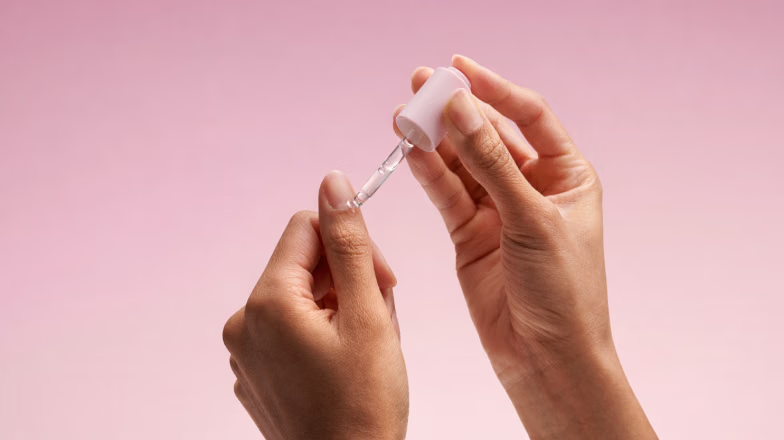
- Put a drop of cuticle oil (or balm) on each nail and massage it in for a few seconds.
- Reapply cream after heavy sanitiser use, especially when you are out all day.
- At night, use a richer cream or balm and give the cuticle line a quick massage (about a minute total).
- Use gloves for cleaning or dishes to keep your hands out of detergents.
Give it 10-14 days. If you stick with it, hangnails calm down first, and the cuticle line looks smoother after that.
Modern salon approaches (and what is popular in Dubai)
Dubai clients book manicures regularly, which is great for upkeep, but the technique has to be skin-friendly.
If you like a very clean finish, you have probably seen a Russian manicure. Done well, it looks sharp and lasts. Done too aggressively, it can leave the cuticle area feeling overworked. The difference is control: gentle prep, minimal removal, and hydration at the end.
It also helps to know what you are booking. Some salons in Dubai use gel systems like Luxio and MAL, and a full manicure with coverage can take around 1 hour 30 minutes to 1 hour 45 minutes. A rushed slot is when cuticle work tends to get rough.
A Middle East-specific detail: some clients prefer polish-free services at certain times. If you want shine without color, ask about a Japanese manicure. It uses a paste-and-powder finish that buffs the nail for a glossy, natural look without traditional polish.
If you want your appointment to be cuticle-friendly, say it in plain language. For example:
- "Please keep the cuticle line neat, but go light on trimming."
- "Can we finish with oil and a richer cream?"
- "My cuticles are dry this week. Can we do gentler prep today?"
- "I want a natural finish. Do you offer Japanese manicure or a polish-free option?"
Simple requests like these work better than trying to micro-manage the whole service.
Conclusion
Cuticle erosion comes down to a simple pattern: the skin around your nails gets dried out (A/C, sun, lots of washing and sanitiser), then it gets “worked on” too hard (over-trimming, too much e-file pressure, appointments too close together). The result is familiar peeling, hangnails, and a cuticle line that never looks smooth for long.
The fix isn’t complicated, but it does need consistency: moisturise daily, protect your hands when you clean, and choose a manicure approach that stays tidy without removing more than necessary. If you want that kind of careful, skin-friendly cuticle work, you can learn more about the manicure options at It’s Beauty and book the format that fits your nails best.