



Why Does the Free Edge of Nails Split?

You finally grow your nails to the perfect length… and then the tips start peeling. Sound familiar? In Dubai, this happens more often than many expect. Between air conditioning, hand sanitisers, swimming pools, and constant hand washing, nail tips go through a lot.
At It’s Beauty, we regularly see clients who say, “My nails grow, but the ends keep splitting.” Usually, the reason is simpler than it feels.
What Exactly Is the Free Edge?
The free edge is the part of the nail that extends past your fingertip. It looks small, but it carries most of the daily stress.
Unlike the base of the nail, this part has no support underneath. So when pressure, dryness, or friction build up, the layers can begin to separate. That’s when peeling starts.
Think of it like thin layers of paper lifting from the corner. Once it begins, it tends to continue unless the edge is protected.
Why Nail Tips Split
There are usually several reasons behind nail splitting. In most cases, it comes down to a mix of everyday habits and environmental factors.
Dry air and dehydration
Dubai’s climate plays a role. Heat outside, strong AC inside. Nails lose moisture quickly in this cycle.
When a nail becomes too dry, it loses flexibility. Instead of bending slightly under pressure, it cracks.
Frequent sanitiser use adds to this. It evaporates fast and takes moisture with it.
Constant water exposure
Ironically, too much water can also weaken nails. Repeated wet–dry cycles cause the nail plate to expand and contract. Over time, this stresses the layers.
Add cleaning products into the mix and the tips become even more fragile.
Filing technique
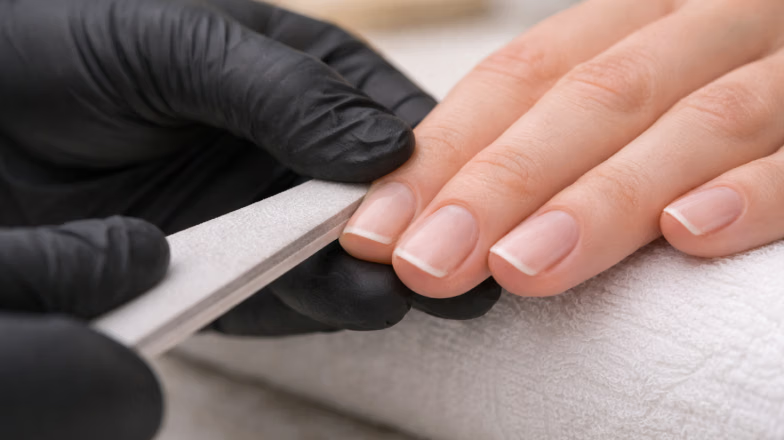
Filing back and forth may seem harmless, but it creates tiny tears along the edge. Later, those micro-tears turn into peeling.
A gentle, one-directional file makes a noticeable difference.
Picking or peeling polish
It happens more often than people admit. Lifting gel or peeling polish removes thin layers of the nail surface. The free edge becomes thinner each time.
Over a few months, that thinning shows up as splitting.
How to Understand What Your Nails Need
Sometimes the issue is dryness. Sometimes it’s thinning. The signs help you understand the difference.
Dry nails often show:
- peeling at the tips;
- rough texture;
- small white areas along the edge;
- breakage once they reach a certain length.
This usually means your nails are losing moisture faster than they can rebuild, so the free edge becomes thin and starts splitting layer by layer.
Thinner nails tend to:
- bend easily;
- crack along the sides;
- feel soft at the tips.
If the base of your nail looks healthy but the ends keep separating, the solution is usually protection rather than cutting them short again and again.
What actually helps
The goal is simple: protect the free edge while it grows stronger.
Structured manicure
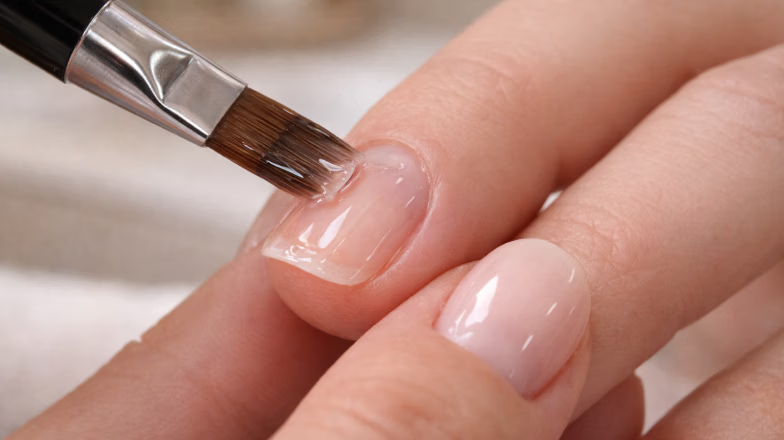
A precise Russian manicure keeps the nail edges clean and properly shaped. This reduces accidental catching and tearing. Clean shaping alone can improve durability!
Gel reinforcement
For many women, a thin gel layer works as a protective shield. It reduces friction from daily activities and helps nails grow longer without splitting.
Services at It’s Beauty are done with professional products like Luxio, MAL, and Kinetics shades. A manicure with coating usually takes about 1 hour 30 minutes to 1 hour 45 minutes, depending on nail condition.
Japanese manicure (natural shine option)
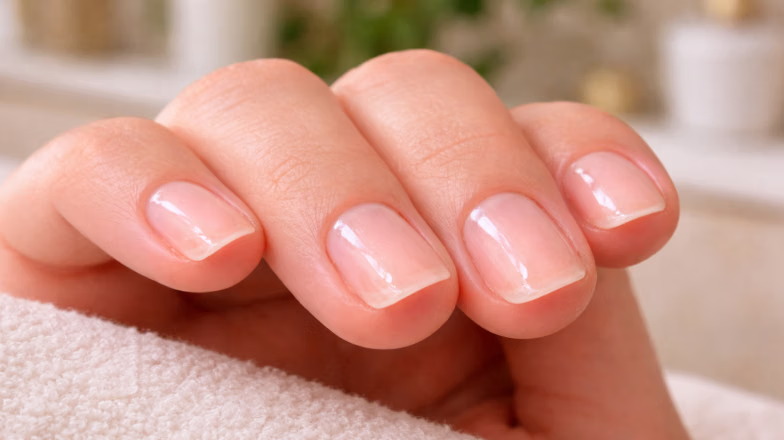
If you prefer a natural look or need a halal-friendly approach, Japanese manicure is a beautiful alternative. Special mineral pastes are buffed into the nail to create shine while keeping the surface breathable. It strengthens the top layer without traditional polish.
Consistent maintenance
Many clients notice the biggest improvement when they follow a schedule. Every 2–3 weeks works well for most nail types.
Dubai Lifestyle and Nail Maintenance
Dubai is amazing for your schedule, and brutal for your nails. Between blasting A/C, constant hand sanitiser, pool chlorine, beach salt, and back-to-back beauty appointments, nails get pushed into survival mode. It’s why your nails truly need consistent hydration, smarter protection and a few useful habits.
Small Habits that Make a Real Difference
A simple routine is usually enough. A few steady habits work well:
- apply cuticle oil daily, especially at night;
- wear gloves while cleaning;
- file gently in one direction;
- keep nails slightly shorter while rebuilding strength;
- avoid peeling gel or polish;
- schedule regular manicures.
Over time, these small adjustments add up.
What this Means for Your Nails
When the free edge splits, it usually comes down to dryness, repeated exposure to water and chemicals, or thinning from daily habits. In Dubai’s climate, nails simply need a bit more protection.
With the right shaping, reinforcement, and consistent care, nails can grow longer without that frustrating peeling at the tips.
If you’d like guidance tailored to your nail type, you can explore manicure options at It’s Beauty and choose the approach that fits your lifestyle, whether that’s gel reinforcement or a natural Japanese manicure.