



Who Should Avoid Full Body Massage and Why
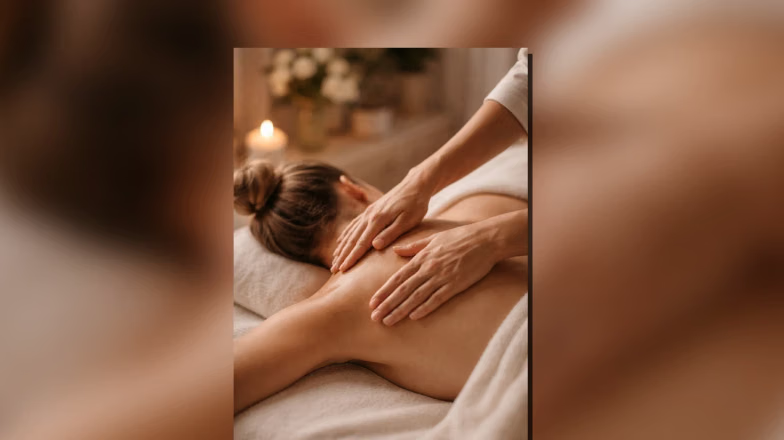
Full body massage is one of the easiest ways to reset after long workdays, travel, workouts, and the constant switch between heat outside and heavy air-conditioning indoors.
Before you book, it’s worth checking whether a massage is actually appropriate for you right now, especially if you have health conditions, recent procedures, or symptoms you’ve been ignoring. By the way, you can explore the massage options in Dubai and book directly via It’s Beauty.
When a full body massage should be avoided or postponed
In some situations a full body massage can be harmful. For example, spread infection, trigger bruising and bleeding, or interfere with healing.
Fever and acute infection

If you have a fever, chills, body aches, swollen glands, or a fresh viral illness, postpone. Massage increases blood circulation and can make you feel more drained. If you have a contagious infection, it’s also not fair on staff and other guests.
What to do instead: rest, fluids, and gentle self-care (warm shower, light stretching). Rebook when you’re fully well.
Uncontrolled high blood pressure or heart problems not cleared by a clinician
If you have unstable cardiovascular symptoms (chest pain, breathlessness at rest, fainting, unexplained palpitations) or your blood pressure is not under control, avoid booking until you’ve been cleared by a medical professional. Deep pressure and heat can affect circulation and your body’s stress response.
Safer alternative: a very light relaxation massage or gentle beauty treatments, with clear boundaries, shorter duration, no heat add-ons.
Blood-thinning medication or bleeding disorders
If you take anticoagulants (blood thinners) or have a bleeding disorder, a strong massage can cause significant bruising or internal bleeding in rare cases. Even moderate pressure might leave you marked.
Recent surgery, injections, or fresh procedures

Avoid full body massage if you’ve recently had surgery, stitches, drains, or significant cosmetic or medical procedures, especially if the area is still tender, swollen, or healing. The same applies to recent injections in an area you’d normally massage (for example, in shoulders, jaw, or face): pressure can irritate tissue.
Deep vein thrombosis risk or symptoms
If you have symptoms that could suggest a clot (one-sided calf swelling, warmth, redness, pain), do not massage the area and seek urgent medical care. Massage could, in theory, dislodge a clot, which is dangerous.
When massage may be possible, but only with modifications
Many people don’t need to avoid massage entirely, they just need the right approach and clear communication.
Pregnancy
Prenatal massage can be appropriate, but it should be done by someone trained in pregnancy-safe positioning and contraindications. Some techniques, pressure points, and lying flat for long periods may not be suitable, especially later in pregnancy.
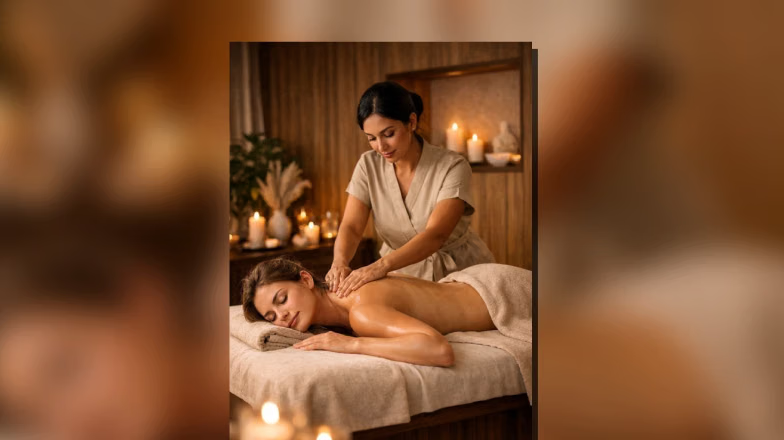
Ask before booking:
- “Do you offer prenatal massage with side-lying positioning?”
- “Can we avoid deep pressure on legs and lower back?”
Also think about any other important questions that matter to you personally.
Cancer treatment, autoimmune flare-ups, or chronic illness
If you’re undergoing cancer treatment, have lymph node removal, experience lymphedema, or you’re in an autoimmune flare, massage may need strict adjustments. Your body can be more sensitive, and certain techniques may be inappropriate.
The best approach is getting medical clearance and choosing a therapist experienced in clinical precautions. Keep sessions shorter and pressure light.
Skin issues: infections, open wounds, or contagious conditions
Avoid massage if you have:
- open cuts, weeping eczema, active infection.
- fungal infections (ringworm), scabies, or anything contagious.
- sunburn (common in the UAE if you’ve been outdoors).
If it’s localised and non-contagious you may still be able to have a massage avoiding the affected areas, tell your therapist upfront.
If any of these are true, pause and reassess:
- You feel unwell (fever, nausea, “flu-ish”).
- You have unexplained swelling, severe pain, numbness, or weakness.
- You’re on blood thinners or bruise very easily.
- You recently had surgery/procedures or you’re still healing.
- You’re pregnant and the booking isn’t explicitly prenatal-safe.
If you’re unsure, a good rule is: when in doubt, choose a lighter, shorter session and disclose everything relevant. It’s always easier to increase pressure than to undo a bad reaction.
Conclusion
Full body massage can be brilliant for stress, sleep, and muscle tension, but there are clear situations where you should avoid it (infection/fever, clot symptoms, uncontrolled cardiovascular issues, immediate post-op recovery), and others where you should only proceed with modifications (pregnancy, chronic illness, blood thinners, skin conditions). The safest plan is simple: disclose your situation, choose a lighter approach if you’re unsure, and don’t push through pain.
If you want to explore the most suitable option for how you’re feeling right now, take a look at the massage menu at It's Beauty and choose a session that matches your body’s current needs.