


Multi-Masking. How to Treat Oily T-Zone and Dry Cheeks at Once
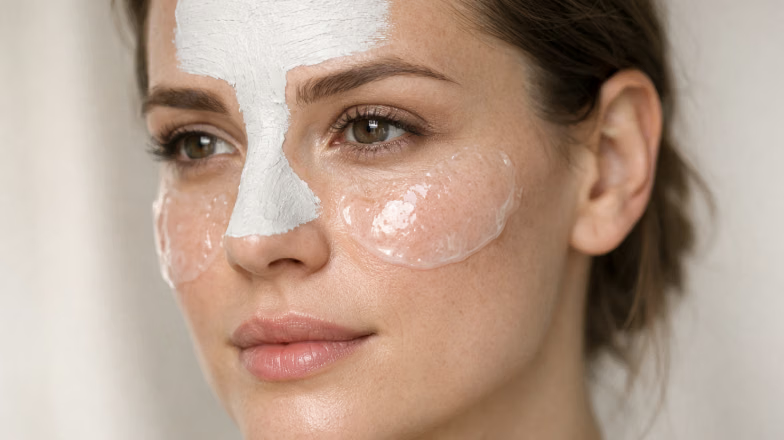
In large metropolitan areas such as Dubai, multi-masking makes sense because your skin rarely behaves like “one skin type.” Between blasting AC, outdoor heat, and fine dust, it’s common to have an oily T-zone and thirsty cheeks at the same time.
If you want a pro-style routine without making it complicated, start with a look at the facial options at It's Beauty and then use multi-masking at home as a simple add-on when your skin feels mixed. It’s a routine that Nastya Bonds, co-founder of It’s Beauty and beauty expert, often recommends for “combo skin days” when one mask just doesn’t cut it.
What multi-masking actually is
Multi-masking is using two or more masks in one session, but placing them where they’re needed. Not layering masks on top of each other. Not doing five masks because a trend told you to. Think of it like spot-treating, but with rinse-off or leave-on masks. A basic map most Dubai faces can relate to:
- T-zone (forehead, nose, chin): more oil, clogged pores, shine by midday;
- Cheeks: dry, tight, sometimes flaky (hello, AC);
- Jawline: breakouts from hormones, sweat, gym, or phone contact;
- Around the mouth: dehydration lines when you’re not drinking enough water.
If your whole face is genuinely oily or genuinely dry, multi-masking can be overkill. One good mask used consistently often wins.
When multi-masking makes sense in Dubai
You don’t need multi-masking every week. It helps on specific “Dubai skin” days.
After heavy AC + long days indoors
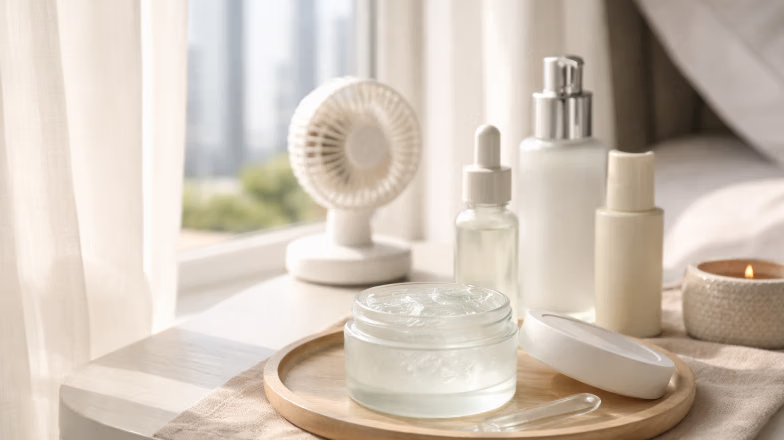
If your cheeks feel tight but your nose still gets shiny, that’s the classic mixed signal. Try hydrating/soothing mask on cheeks (gel or cream texture) and clay mask only on T-zone.
After a beach day or lots of sun exposure
Even with SPF, you can end up with surface dehydration and that rough feel. Keep it gentle: soothing mask (aloe, centella, panthenol) on the warmer, redder areas; hydrating mask elsewhere. Skip strong acids the same night. You’ll regret it.
Before an event, when makeup needs to sit well
Multi-masking can help texture and makeup grip if you keep it simple::
- Clay mask only where you get visible pores;
- Plumping hydrating mask on cheeks and around the mouth.
Don’t try a new mask right before a big night. Dubai humidity plus irritation is a bad combo.
During breakout phases when your face is “two different moods”
This is common if you’re breaking out on the jawline but your cheeks still feel dry. Calming mask on active breakout zones, hydrating mask on the dry areas, avoid heavy, rich masks on inflamed spots if you clog easily.
A practical multi-masking routine you’ll actually keep doing
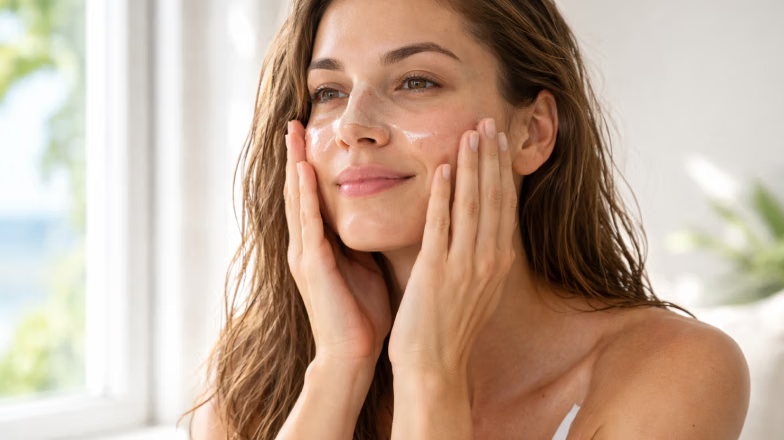 Multi-masking sounds fancy until you make it annoying. Keep it to two masks most of the time. Here’s a simple routine that works well in the UAE climate:
- Cleanse your skin gently (no scrubs or harsh brushing).
- Optionally prep your skin with light steam — a warm shower or a damp towel for 30–60 seconds.
- Apply masks: a thin layer of clay on the T-zone and a hydrating or soothing mask on cheeks and dry areas.
- Leave on: clay for 8–12 minutes (don’t let it fully dry out), hydrating mask for about 10–15 minutes or as directed.
- Rinse off gently and pat your skin dry.
- Finish with a lightweight hydrating serum and a moisturiser.
- Watch your skin: if the clay mask dries and cracks, you’ve left it on too long; if you feel stinging, rinse it off immediately instead of pushing through.
Picking the right masks (without buying 12 jars)
You don’t need rare ingredients or fancy packaging. You need formulas that match your face zones.
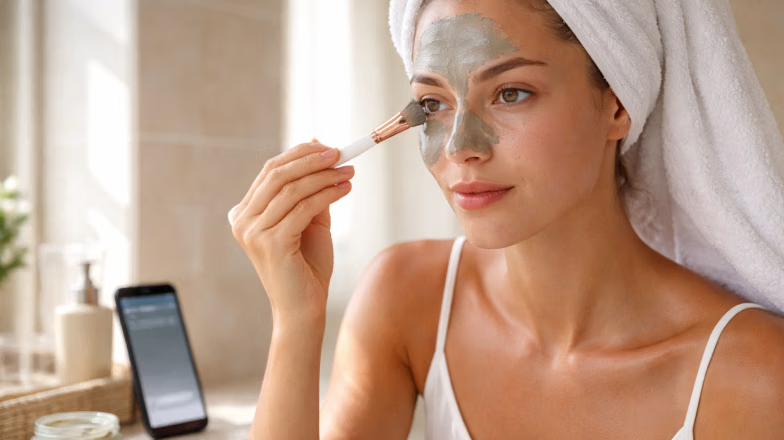
- For oily pores/shine (T-zone): clay (kaolin, bentonite); charcoal can help, but it can also dry fast.
- For dryness/tightness (cheeks): hyaluronic acid, glycerin, panthenol, ceramides. If you get flaky, cream-gel textures usually feel better than heavy ones in Dubai.
- For redness/sensitivity: centella, aloe, oat. Avoid strong fragrances if you react easily.
- For dullness / rough texture: enzyme masks (papaya/pineapple enzymes) often feel gentler than strong acids. If you already use acids in your routine, don’t stack them with masking nights.
One blunt opinion: peel-off masks are mostly drama. They can pull at your skin, and they don’t help pores long-term.
The modern version: what professionals do with the same idea
A lot of facials already work like multi-masking. They just don’t call it that. In Dubai, it often looks like:
- Deep cleanse + gentle exfoliation;
- Targeted masking by zone (oil control on T-zone, calming on cheeks);
- LED light to calm inflammation or support recovery;
- Hydration steps tailored to skin that’s dehydrated from AC.
This is where guidance matters. A good therapist won’t treat your whole face like one problem. That’s the point. Nastya Bonds, co-founder of ItsBeauty and beauty expert, recommends treating each zone on its own terms, oil where it’s oily, hydration where it’s dry.
If you’ve tried multi-masking at home and still feel congested around the nose or keep getting the same cheek dryness, a professional facial can help reset your baseline. Then your home masks start working better because you’re not fighting weeks of buildup.
If you want to go further, check the procedures and facial options at It's Beauty and pick something that matches what your skin is doing right now. Multi-masking works best when it supports a routine you can repeat, not when it tries to replace everything.