



Best Massage Schedule for Stress Management: Weekly, Biweekly, or Monthly?
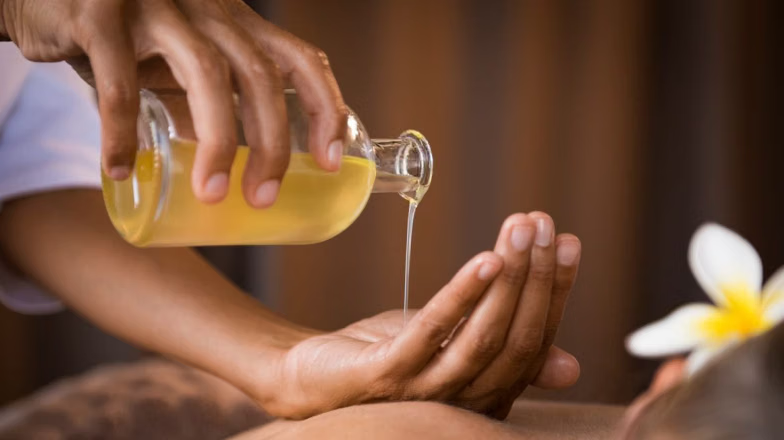
Living in a big city can feel like you’re always “on” — work, traffic, screens, travel, and heat all add up. If you’re using massage as part of stress management, the first question is usually the same: how often is enough to actually feel a difference?
Read our article to get the right answer! By the way, you can explore body and face massage options in It's Beauty Dubai.
How massage helps with stress and what it realistically can’t do
Massage works best as a nervous-system reset: it helps many people feel calmer, sleep better, and carry less tension in the neck, shoulders, jaw, and lower back.
A useful nuance: it’s often claimed that massage “lowers cortisol,” but large reviews suggest cortisol changes are small and inconsistent, while big benefits for anxiety, mood, and pain are still meaningful. So it’s better to think of massage as supportive touch + tension release + downshifting your system, but definitely not as a stress-hormone hack.
The best frequency depends on your stress load. Simple schedule guide
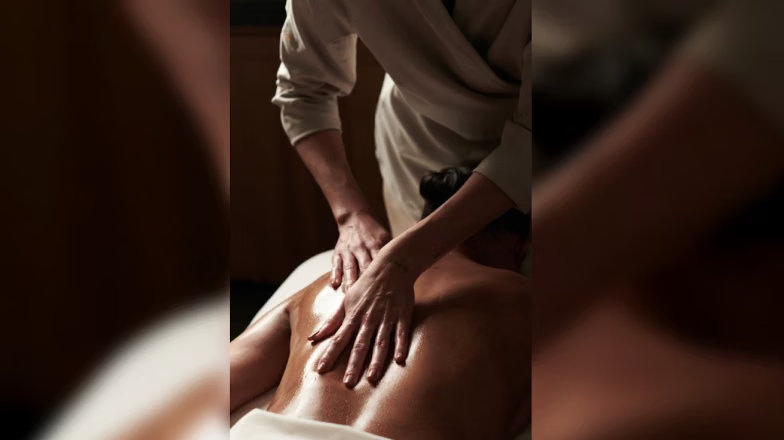
There isn’t one perfect schedule for everyone. Frequency depends on your stress level, muscle tension, sleep quality, and how quickly stress builds back up.
A practical baseline (for most people)
Every 3–4 weeks is good if your goal is maintenance: stay functional, reduce buildup, prevent “stress shoulders” (see photo below);
Every 2 weeks is a strong option if you feel tension returning fast, or you’re in a demanding season at work.
High-stress period (when you need a real reset, not just self-care)

If you’re dealing with a heavy workload, poor sleep, anxiety spikes, or frequent travel/jet lag it’s better to visit your massage salon weekly for 3–6 weeks, then taper to every 2–4 weeks once you feel stable. This approach often works better than (a very popular option) one “big” massage when you’re already breaking apart. It has the same logic as training: consistency beats rare intensity.
If you’re very sensitive or new to massage start lighter. Visit every 2–4 weeks for shorter sessions (30–45 min), ask for gentler techniques.
Session length and type. What to choose for stress management
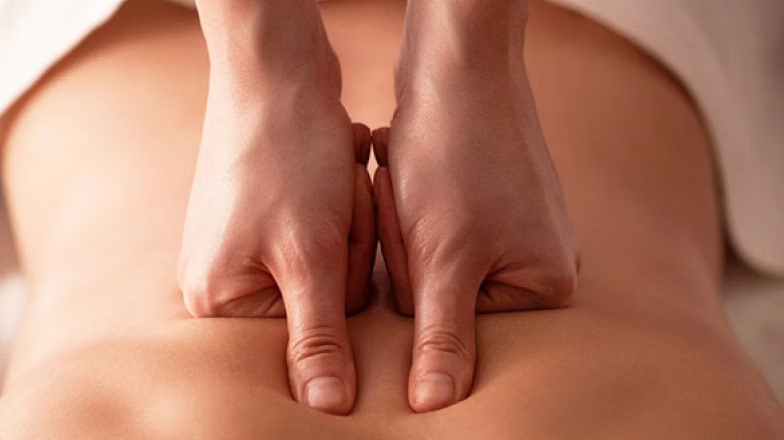
For stress relief, a longer massage isn’t always a better massage. Recommended session lengths are:
- 30 minutes: targeted neck/shoulders/scalp. Great if you’re busy or you just need a quick switch-off.
- 60 minutes: the sweet spot for full-body relaxation.
- 90 minutes: useful if stress shows up as widespread tightness, or if you want full-body + focused work (back/hips/jaw).
In short, the “right” massage is the one that matches your current stress level and fits your schedule consistently. If you’re short on time, a focused 30-minute session can quickly reset tension in the areas that hold stress the most. For most people, 60 minutes is the best balance of relaxation and real results, while 90 minutes makes sense when your body feels tight all over or you need extra attention on specific zones.
If you’re not sure where to start, choose the length you can realistically book regularly — consistency is what turns massage into a true stress-management tool. And if you’d like help selecting the best format for your goals, explore the treatments at It's Beauty and find the option that feels right for you.
Technique map
Here’s a simple way to choose the right massage for stress management, because “the best” technique depends on how your stress shows up in your body (sleep issues, muscle stiffness, jaw tension, or sensory overload). Use this quick guide as a starting point:
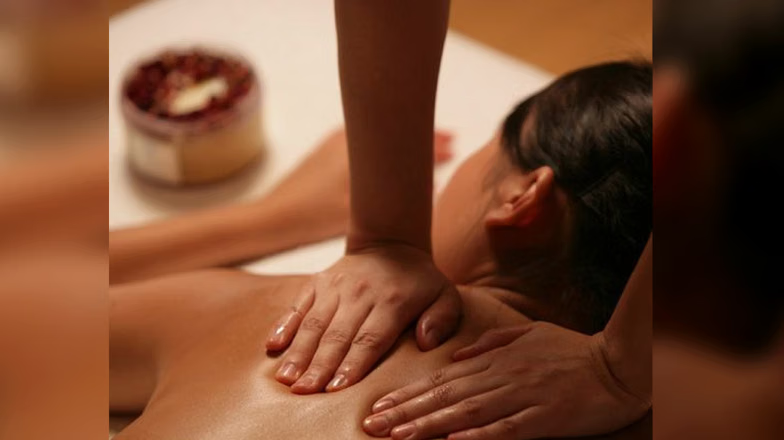
Swedish / relaxation massage: best all-round choice for calming and sleep.
- Aromatherapy massage: helpful if scent is grounding for you (and you’re not sensitive to fragrance).
- Deep tissue, which can be a good idea when your stress is showing up as real, stubborn muscle tightness.
- Thai / sports massage: great if you hold stress as stiffness and need stretching + mobility.
- Face sculpting / buccal face: for jaw tension, “clenched face,” and people who carry stress in expression.
If you’re unsure, start with Swedish, then adjust based on what your body responds to best. And if stress is showing up in very specific ways like jaw clenching or tech-neck (see the picture below), choosing a more targeted option can make the results feel noticeable faster.
Conclusion
For stress management, massage works best when it’s regular and realistic: most people benefit from every 3–4 weeks for maintenance, every 2 weeks during demanding periods, and weekly for a short stretch when stress is high and your body is clearly holding it.
If you want to choose the right technique (relaxation, deep tissue, Thai, aromatherapy, or face-focused work) and build a schedule that fits Dubai life, take a look at the available options at It's Beauty and pick the format you can actually keep up with.