


How Thai Massage Techniques Differ from Spa Massage Practices
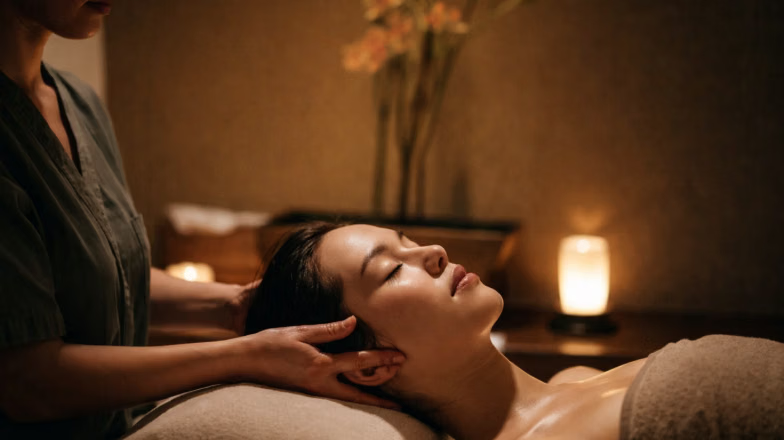
Massage can mean anything from a quiet, oil-based spa session to an energising, movement-led Thai treatment.
Why should you understand the difference? It helps you book the right experience the first time — whether you're visiting a beauty salon or exploring body-focused therapies like Thai massage.
Thai massage and spa massage: the core difference
Thai massage is more of an assisted stretching and rhythmic pressure. Instead of mainly rubbing over muscles with oil, the therapist uses palms, thumbs, forearms (and sometimes body weight) to apply compressions and guide your body through gentle, yoga-like positions.
Spa-style massage (think Swedish, relaxation and aromatherapy) usually sits at the other end of the spectrum: longer flowing strokes, kneading, and soothing pacing designed to calm the nervous system and quiet the mind. It tends to be table-based, oil-based, and less “interactive” for the client.
What is better? We can’t say that. But usually, we can say what our body wants to feel like afterwards. Keep reading to understand the effect after a professional Thai massage.
What Thai massage looks and feels like in real life
Traditional Thai massage is typically done with the client in loose clothing.
It can involve:
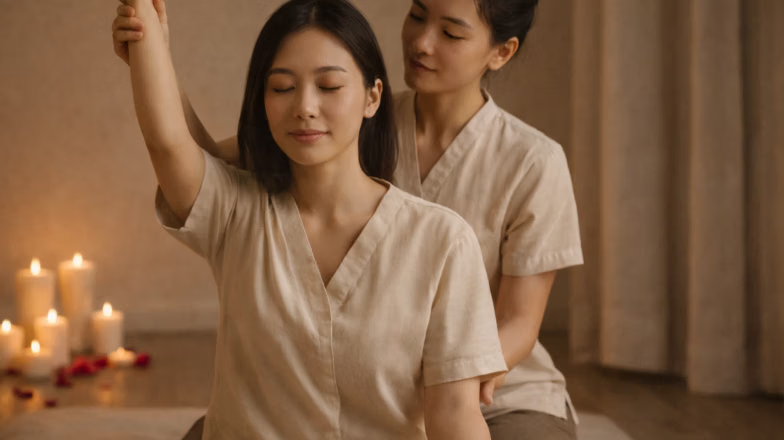
- Rhythmic compression along the body (legs, hips, back, shoulders).
- Acupressure-style holds using thumbs/palms to target tension points.
- Assisted stretches and joint mobilisation to improve the range of motion.
Many people leave a Thai session feeling “open”, like posture and mobility have improved. A good therapist works within your breathing and comfort range, adjusting intensity and angles rather than forcing a stretch. If you’re new to Thai work, it’s smart to ask for light or medium pressure and build up over time.
Who is Thai massage for?
Go for a Thai massage if you feel stiffness, tight hips, desk shoulders, or travel fatigue.
Thai techniques often suit people who sit for long hours and feel “compressed” in the hips/back; train regularly and want mobility work without a full sports-massage intensity; fly often and feel heavy legs or general tightness.
What spa massage practices prioritise
Classic spa massage techniques (Swedish and aromatherapy) are built around:
- long gliding strokes to warm tissues
- kneading and gentle friction to ease muscle tension
- a slower rhythm that encourages downshifting into relaxation — similar to what many people look for in scalp care treatments.
The goal here is often a calmer, floaty after-feel, especially when paired with quiet rooms, soft lighting, and scent.
Who is a classical SPA massage for?
Go for a classical SPA if you want stress relief, sleep support, or just to switch off.
Spa massage is the one you book when you want your mind to stop racing. If you’re mentally overloaded, or you know stretching makes you tense up, an oil-based relaxation massage can be the kinder starting point.
Modern Thai massage types (or hybrids) in Dubai
Dubai’s wellness scene blends traditions with practical, modern expectations: time-efficient sessions, clear menus, and treatments tailored to real-life routines (work schedules, gym training, and high heat outside).
Thai-style work on a table
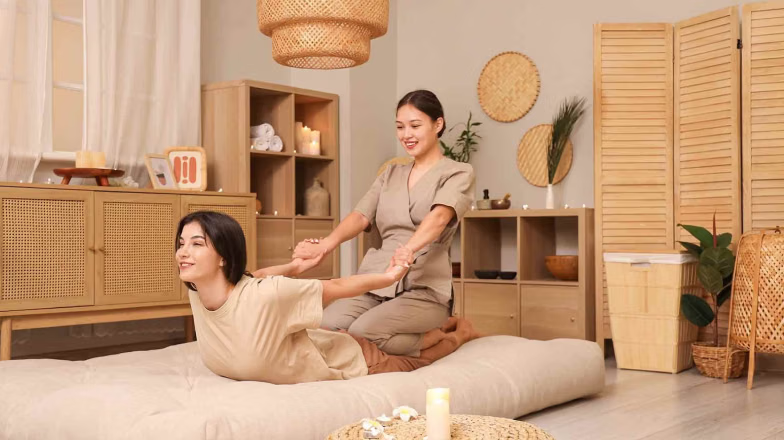
Thai techniques adapted to a massage table: less floor work, same stretching and pressure. This is a modern adaptation of traditional Thai massage for a SPA setting. Instead of a floor mat, the client lies on a massage table, which feels more familiar and comfortable, especially for first-timers.
What the therapist does:
- rhythmic compressions with palms and forearms;
- gentle assisted stretches for joints and muscles;
- mobility work for shoulders, hips, and back;
- adds very little or no oil.
How it feels:
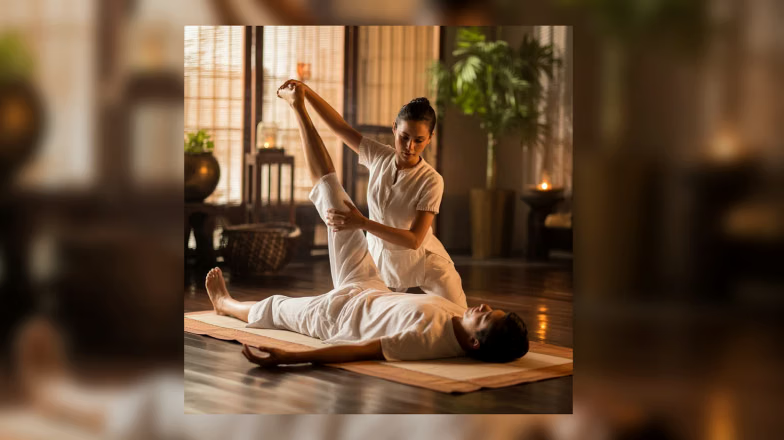
Your body is carefully guided, opened, and lengthened. It often feels like passive yoga where the therapist does the work for you.
Best suited if:
- you sit for long hours and feel stiffness in the back and shoulders;
- you want improved mobility;
- you feel “compressed” after travel or long desk days.
After the session, expect a sense of lightness, better posture, and more freedom of movement.
Thai with oil
Thai pressure and stretching combined with oil for smoother, softer work. This format sits between traditional Thai massage and a SPA oil massage.
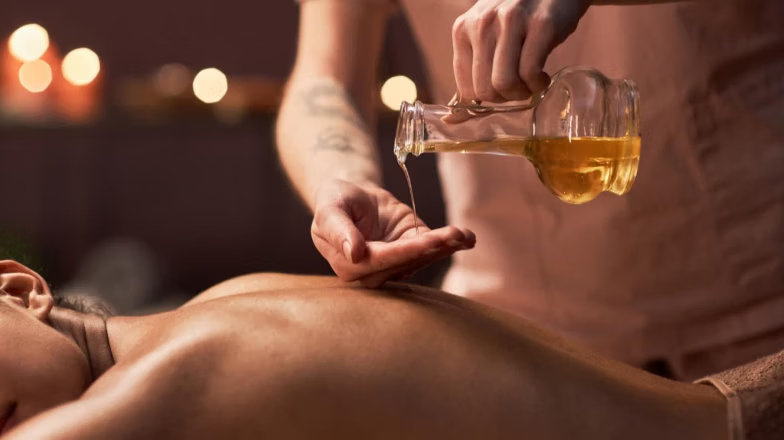
What the therapist does:
- combines compressions with smooth gliding strokes;
- stretches muscles without abrupt transitions;
- works deeply into tissues in a gentler way.
How it feels:
Softer and more relaxing than dry Thai massage, but still effective for releasing deep tension.
Best suited if:
- you want both relaxation and mobility benefits;
- you find dry Thai massage too intense even when asking for light or medium pressure;
- you are trying Thai techniques for the first time;
- you have muscle tension but prefer a smoother approach.
After the session you feel both relaxed and physically “loosened”.
Targeted add-ons. Focused work on tension zones
Many people share similar tension patterns due to desk work, training routines, and daily stress. There is always a possibility to work on an exact zone longer or harder.
Neck and shoulders
Ask for it if you work at a laptop for long hours, you get tension headaches, you feel heaviness in the upper back. After the session, expect an easier neck movement and lighter shoulders.
Hips and lower back
If you sit a lot or train intensively, or you feel tightness in the pelvis or lower back, ask for this kind of an add-on. Expect improved mobility, easier walking and standing.
Feet
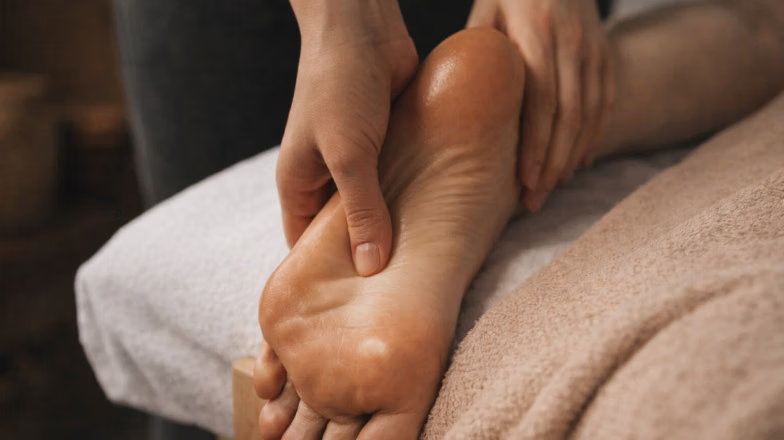
If you walk or stand a lot, your legs feel heavy, you wear heels frequently – ask your therapist to pay special attention to this area. Expect lighter legs and overall relaxation.
Jaw and face
If you clench your teeth at night, you notice tension in your face, your expression feels constantly tight a regular massage can help. After a few sessions, expect more relaxation beyond the face into the neck and upper body.
Conclusion
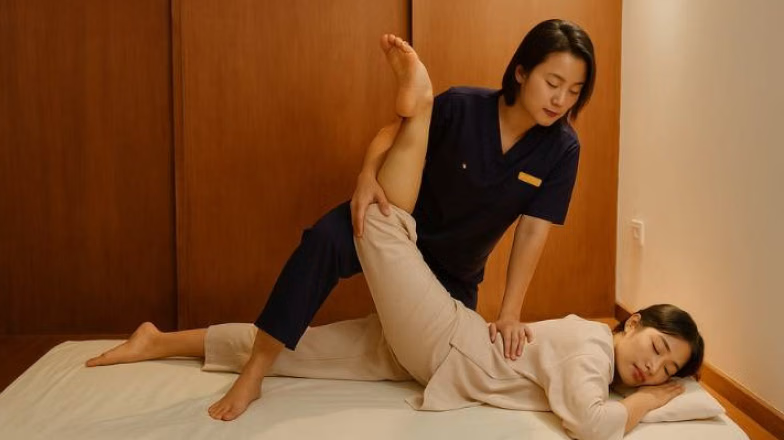
Thai massage differs from SPA massage in both technique and outcome: Thai is more about compression and assisted stretching that leaves you feeling looser and more mobile, while spa-style massage leans into oil-based strokes and a slower rhythm for deep relaxation.
If you’re looking to improve flexibility and release deep tension, Thai massage may feel more effective. If your goal is to unwind, de-stress, and enjoy a calming sensory experience, a spa-style massage is often the better choice.