


How Does Hair Rebonding Differ from Other Straightening Treatments?

Straightening treatments, such as keratin or Japanese straightening, have become a popular solution for managing frizz and achieving smooth hair, particularly in humid climates like Dubai. Among the various methods available, hair rebonding stands out due to its long-lasting (typically 6 to 12 months) and visible results. In this article, we explain what hair rebonding involves, how it differs from other treatments, and what to consider when choosing the best option for your hair type and lifestyle.
What Is Hair Rebonding?
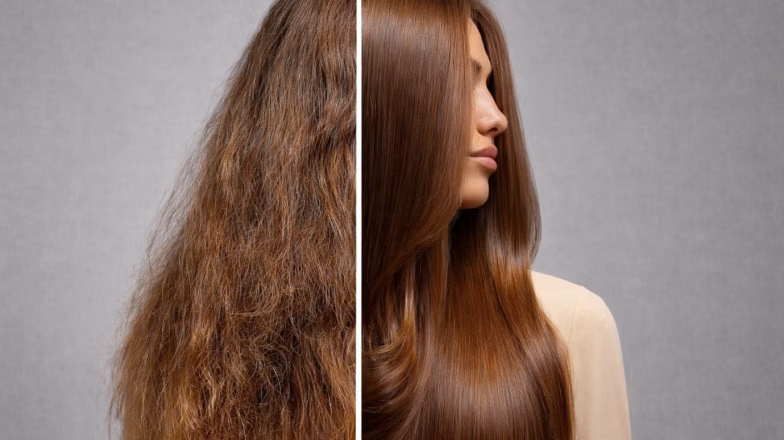
Hair rebonding is a chemical hair treatment that permanently straightens hair by altering its internal structure. The process begins with the application of a relaxant that breaks the natural bonds responsible for curl or wave. The hair is then straightened with a flat iron in small sections, followed by the application of a neutraliser that re-bonds the hair into a straight pattern.
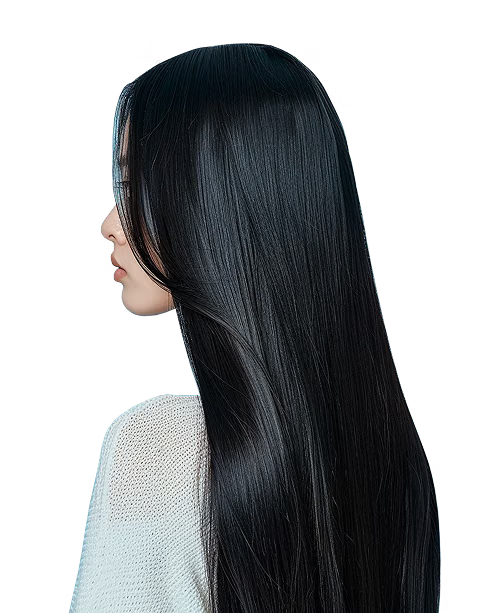
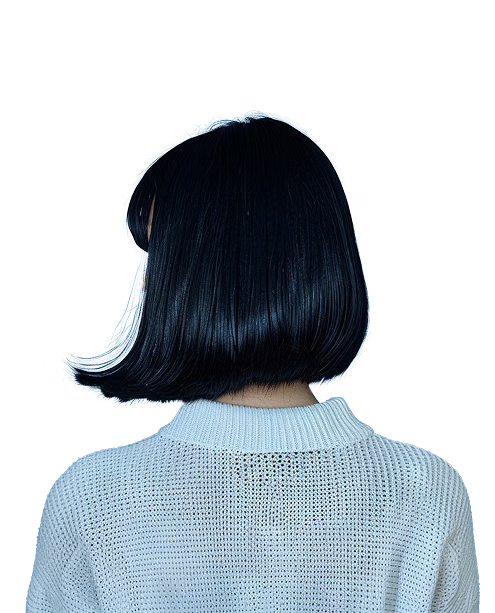
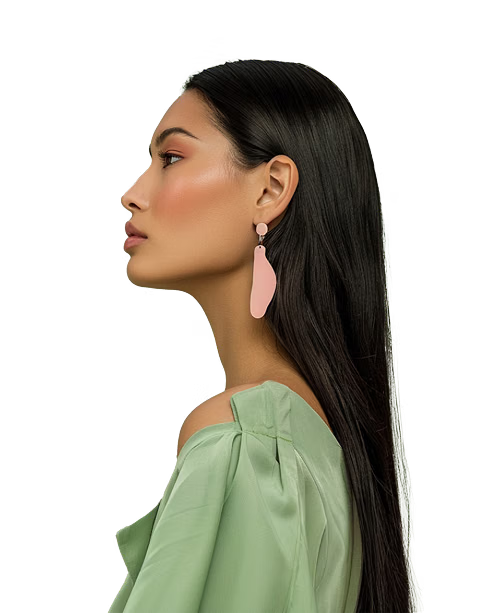
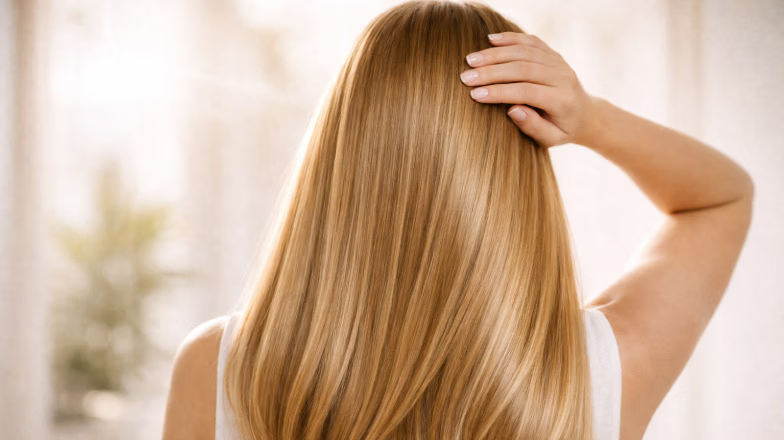
The result is sleek, smooth, and straight hair that retains its shape for several months. Unlike temporary smoothing treatments, rebonding changes the hair’s internal structure. The straight effect remains until the treated hair grows out, although root touch-ups may be required every few months to maintain a uniform appearance.
What Are the Benefits?
Hair rebonding offers several practical advantages for individuals who prefer low-maintenance, straight hair.
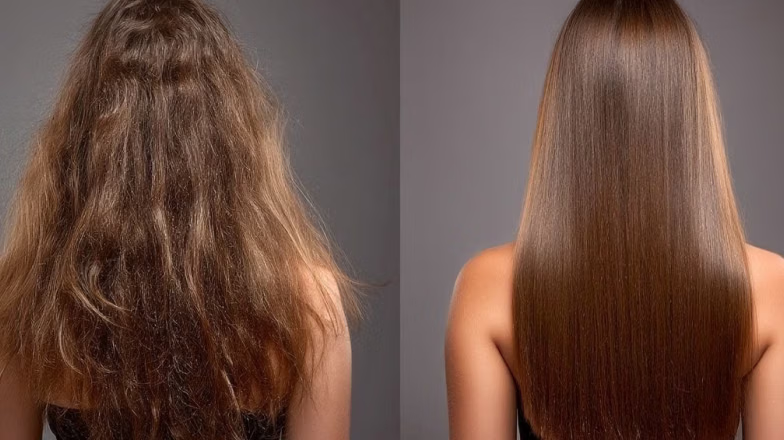
- Long-lasting straightness that remains unaffected by humidity.
- Significant reduction in daily styling time.
- Improved hair manageability and reduced frizz.
- A polished, uniform appearance.
This treatment is particularly beneficial in climates like Dubai, where humidity can disrupt other straightening methods. Why? You see, humidity in Dubai affects most straightening methods because moisture in the air weakens the temporary bonds made by heat or keratin treatments. Hair absorbs water, swells, and returns to its natural texture. Sweat, frequent washing, and salty coastal air also shorten how long these treatments last.
Rebonding works differently because it changes deeper hair bonds that do not react to humidity. Once the hair is rebonded, it will not return to its natural texture until new growth replaces the treated sections.