



Why Does Foundation Oxidize and Turn Dark After Application?
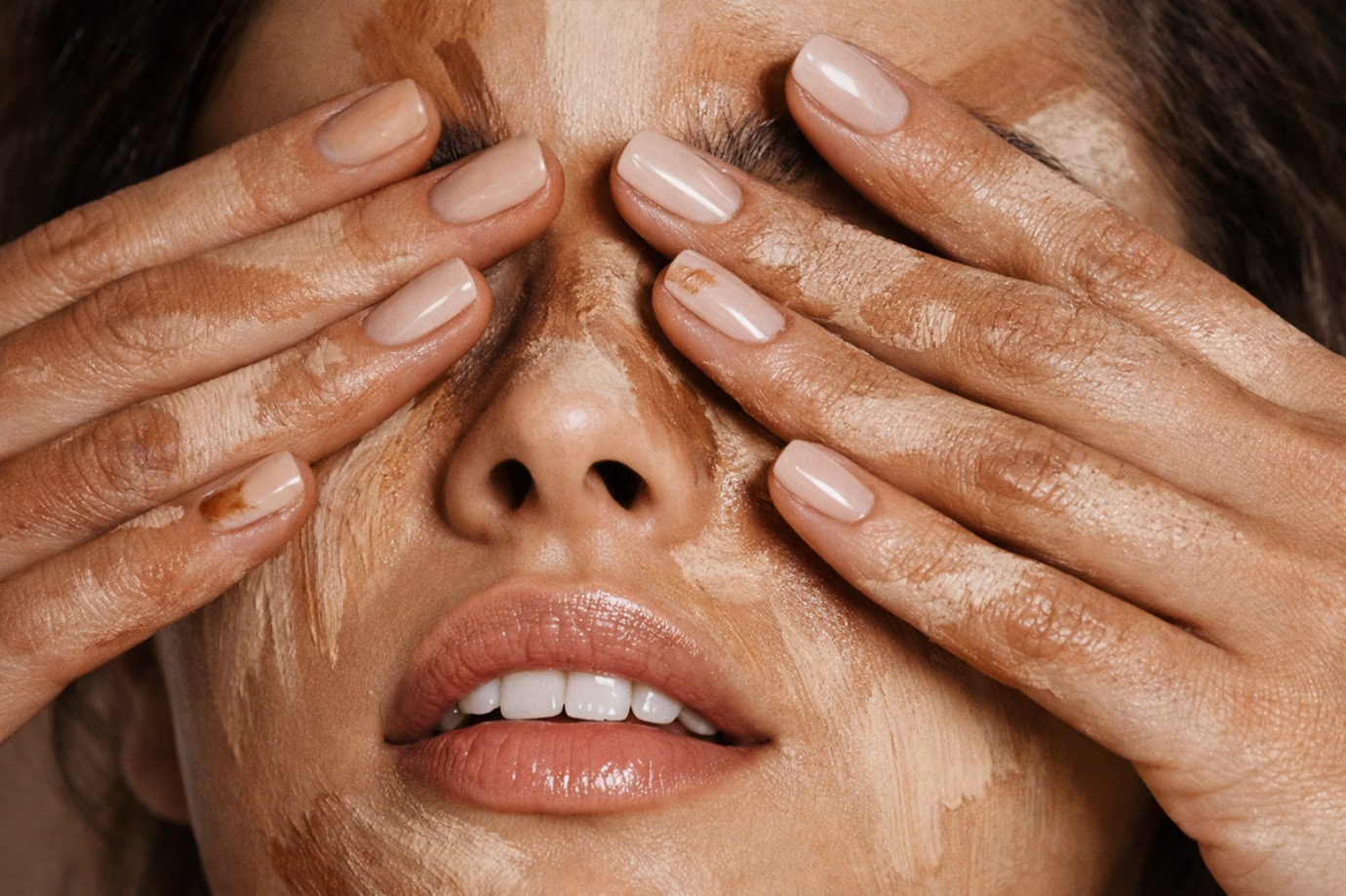
Foundation oxidation is a makeup issue many women notice, especially in Dubai’s hot and humid climate. The makeup looks flawless when you leave the salon, but a few hours later the color feels darker or warmer than expected. This happens across all skin types and tones and isn’t limited to beginners or home makeup.
Professional makeup artists at It's Beauty deal with this challenge every day and know how to prevent it through thoughtful skin preparation, careful product selection, and modern application techniques.
What Makeup Oxidation Is and How It Works
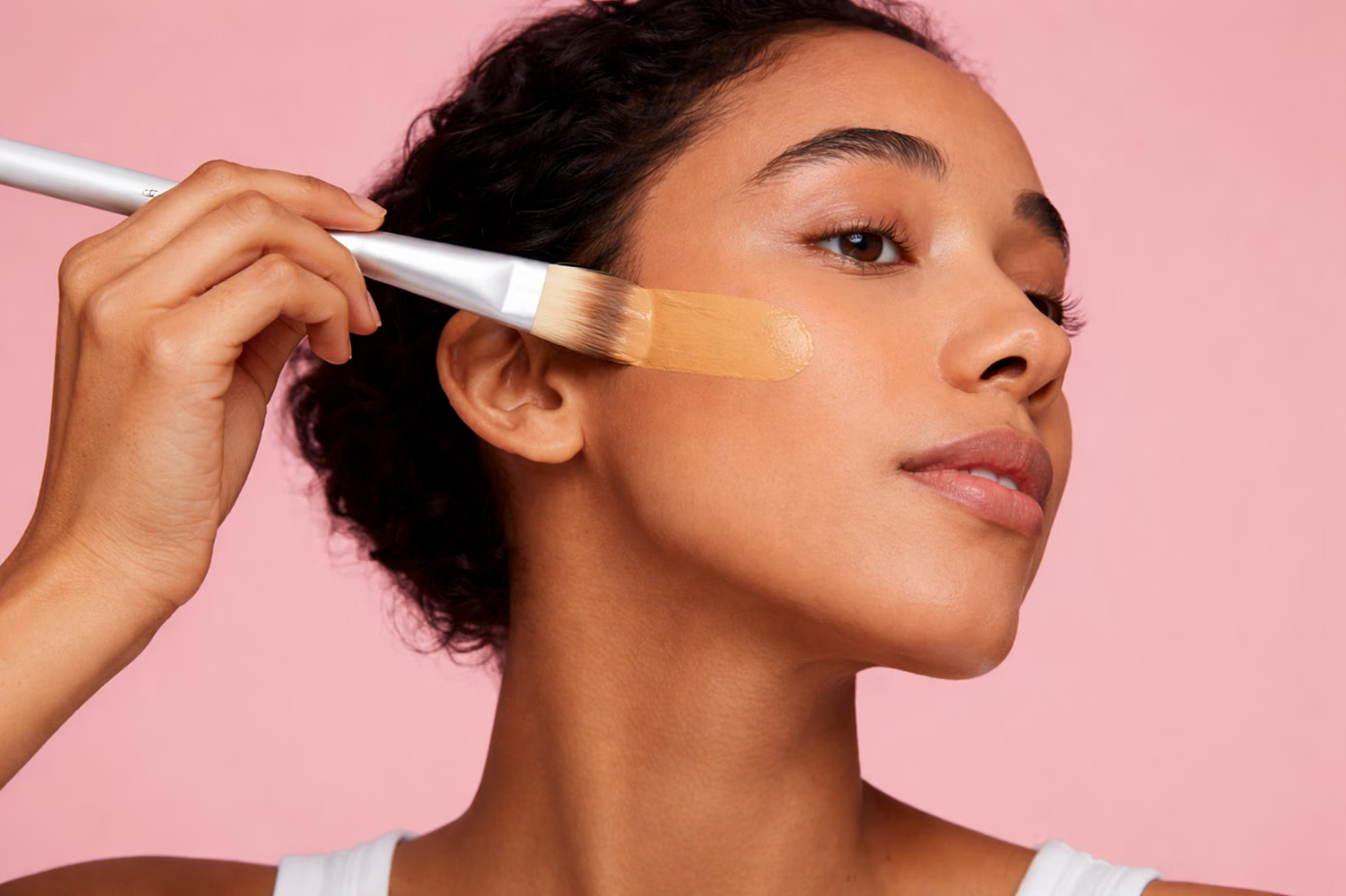
Makeup oxidation happens when foundation looks lighter at first but gradually turns darker, warmer, or slightly orange on the skin. This change usually appears within 20 to 60 minutes after application. It is not caused by poor makeup skills or bad skin, it is the result of how foundation reacts to real-life conditions.
Oxidation starts the moment foundation touches the skin. Heat from the body activates the formula. Natural skin oils begin to rise to the surface. Oxygen in the air interacts with pigments. In Dubai’s climate, this reaction happens faster and more visibly.
What Oxidation Means in Makeup Products
Foundation is a combination of pigments, oils, minerals, SPF filters, and stabilizing ingredients. Some of these components react when exposed to oxygen and skin oils. When this happens, pigment particles deepen in tone. And it causes the foundation to appear darker.
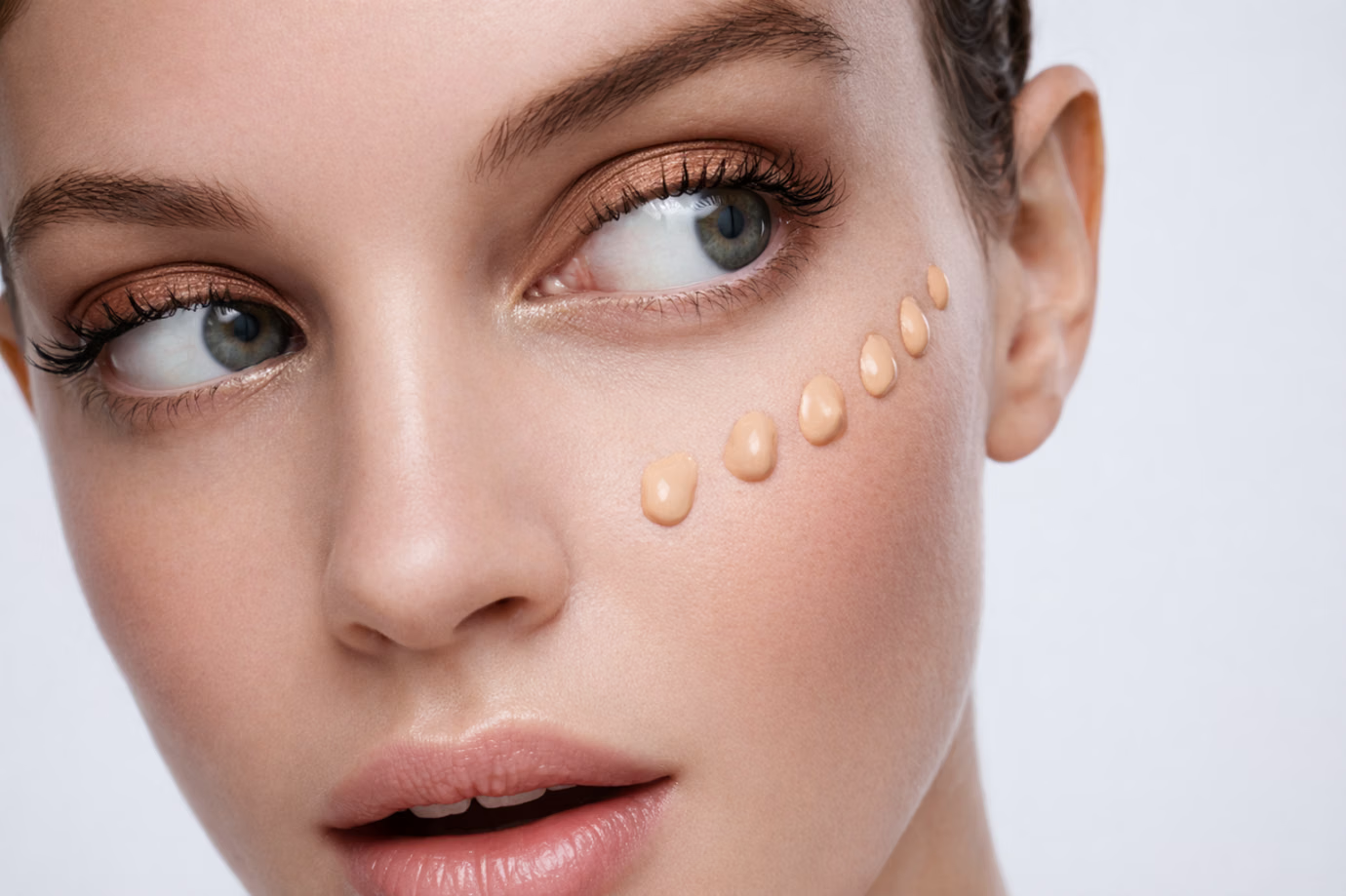
Foundations that contain:
- Iron oxides;
- Mineral pigments;
- SPF filters;
- Warm undertones
are more likely to oxidize. This does not mean the product is low quality. It means it requires correct skin preparation and proper application. Professional makeup artists at It's Beauty select foundations based on long-term performance. They do not just rely on how the shade looks immediately after application.
Why Foundation Changes Color Over Time
As the day goes on, foundation continues to interact with the skin and the environment. Little by little, several things start to happen:
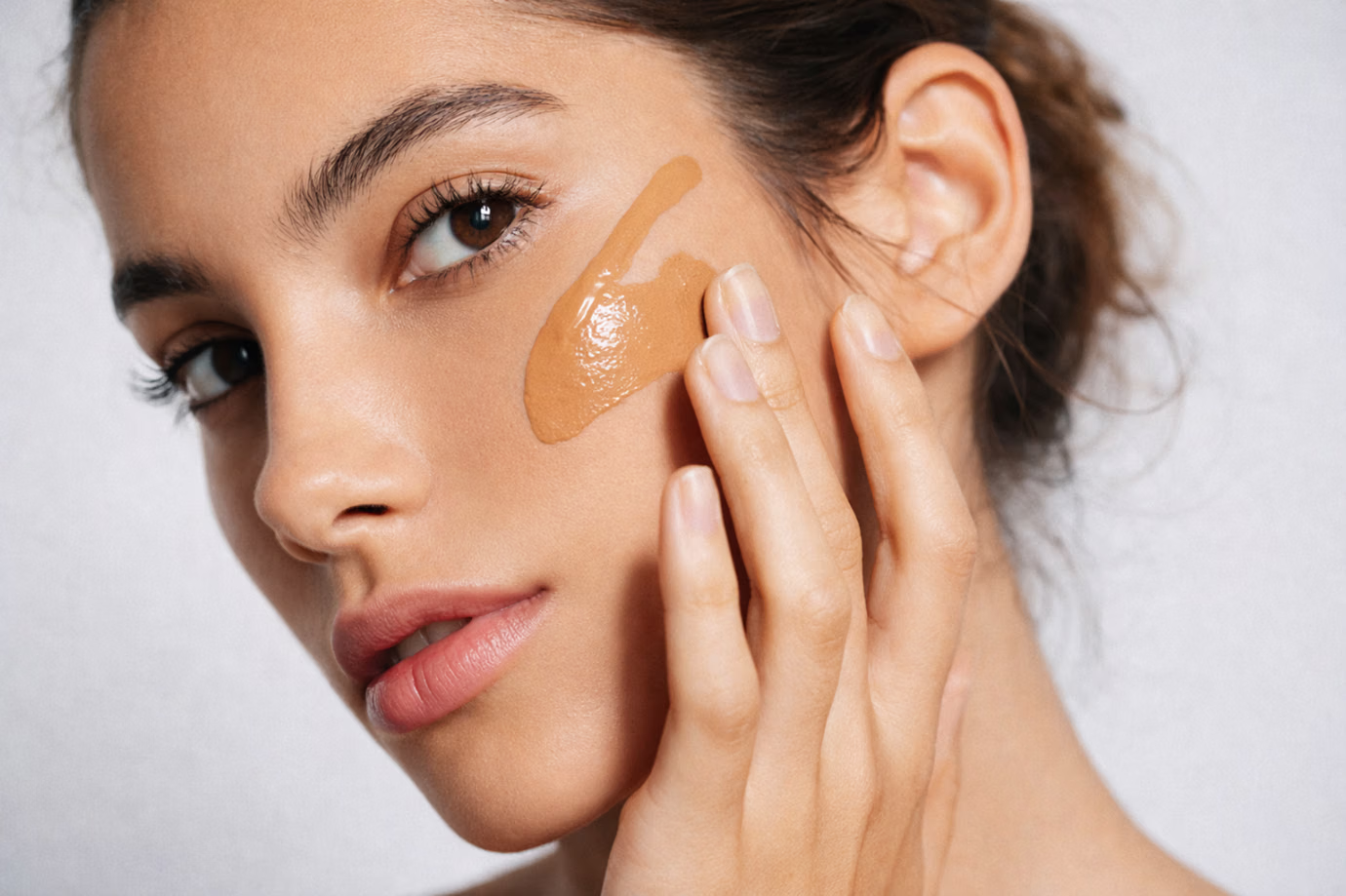
- Skin temperature rises;
- Natural oils come to the surface;
- Sweat blends into the makeup;
- Heat speeds up chemical reactions
Air conditioning adds another layer to the problem. Dry indoor air can pull moisture from the skin, which later causes it to produce more oil. That oil pushes through the foundation and deepens the pigment.
This is why foundation can look flawless at first, then darker by midday. Professional makeup artists always give the foundation time to settle and reveal its true tone before finishing the look. Especially in hot climates.
Why Foundation Oxidizes Faster in Hot and Humid Climates
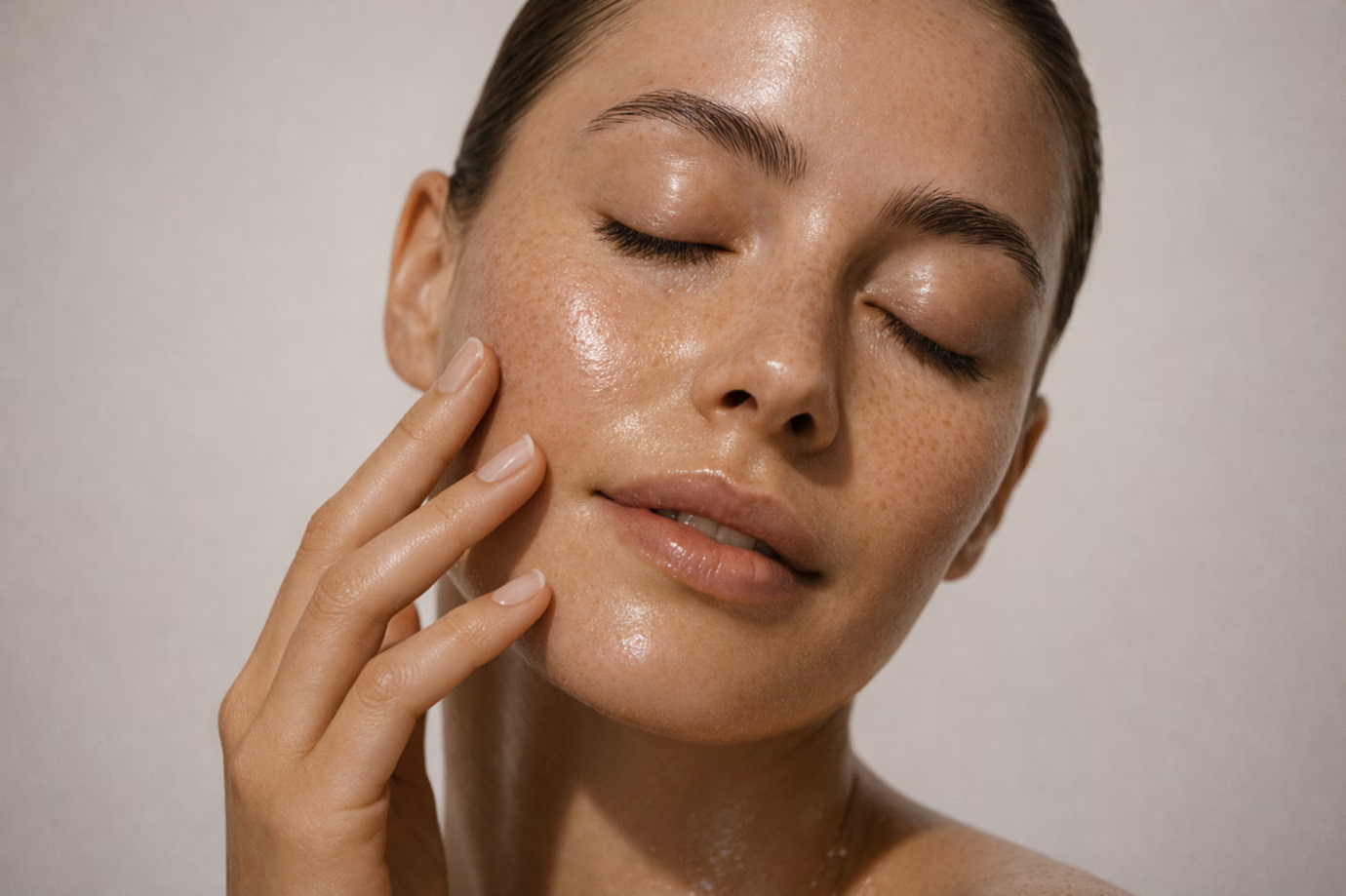
Heat and humidity change how foundation behaves on the skin. Warm temperatures increase skin activity, causing oils to surface faster and interact with makeup pigments. Humidity traps moisture on the skin. It slows down proper setting and makes the foundation more reactive throughout the day. In these conditions, oxidation is not gradual. It happens quickly and unevenly.
Heat, Humidity, and Air Conditioning Effects
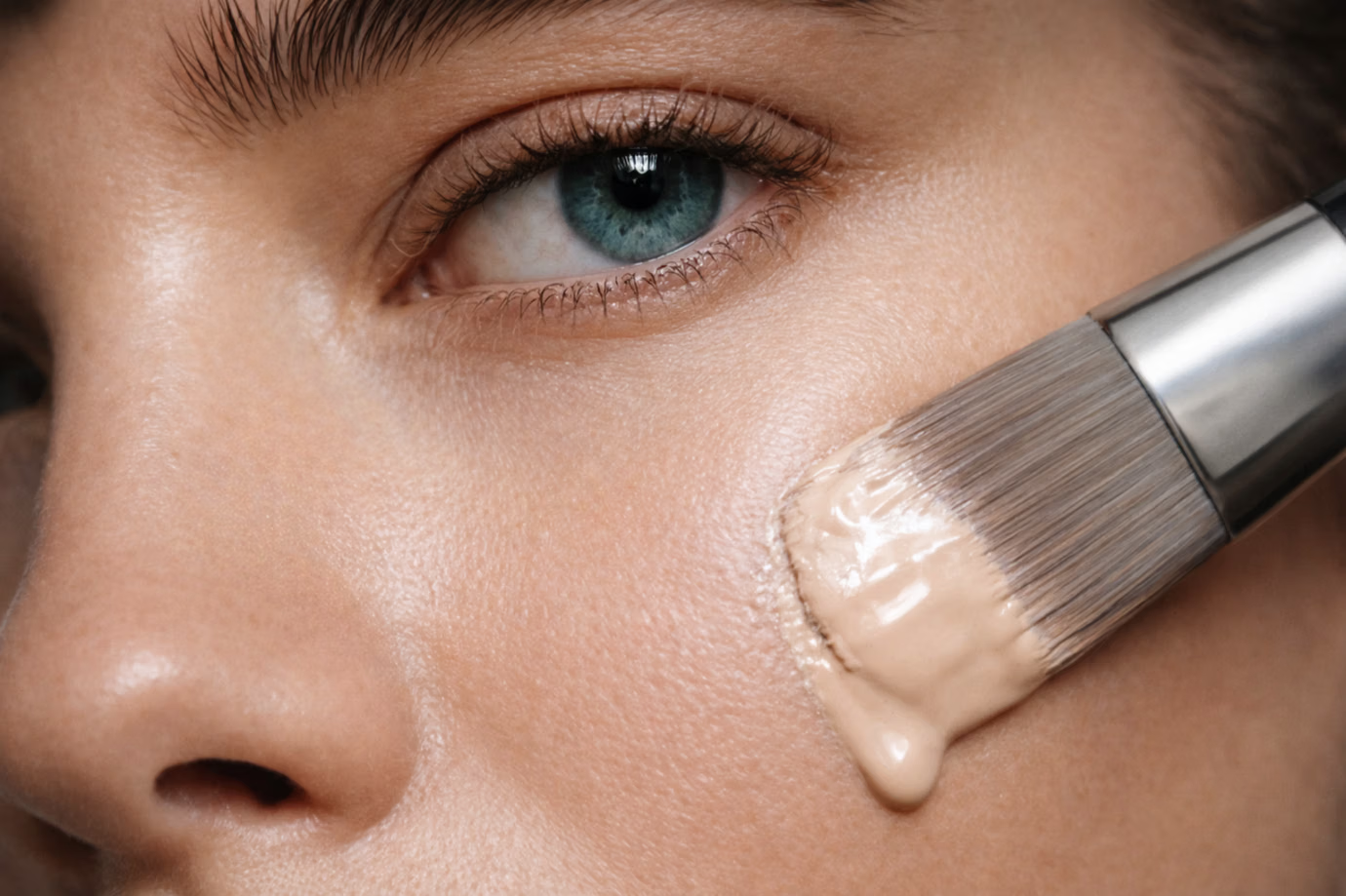
Outdoor heat encourages sweat and oil, while indoor air conditioning dries the skin and weakens its natural barrier. As the skin compensates by producing more oil, foundation pigments deepen. Constant movement between hot streets and cold interiors further destabilizes makeup and increases the risk of color change.
How Different Skin Types React to Oxidation
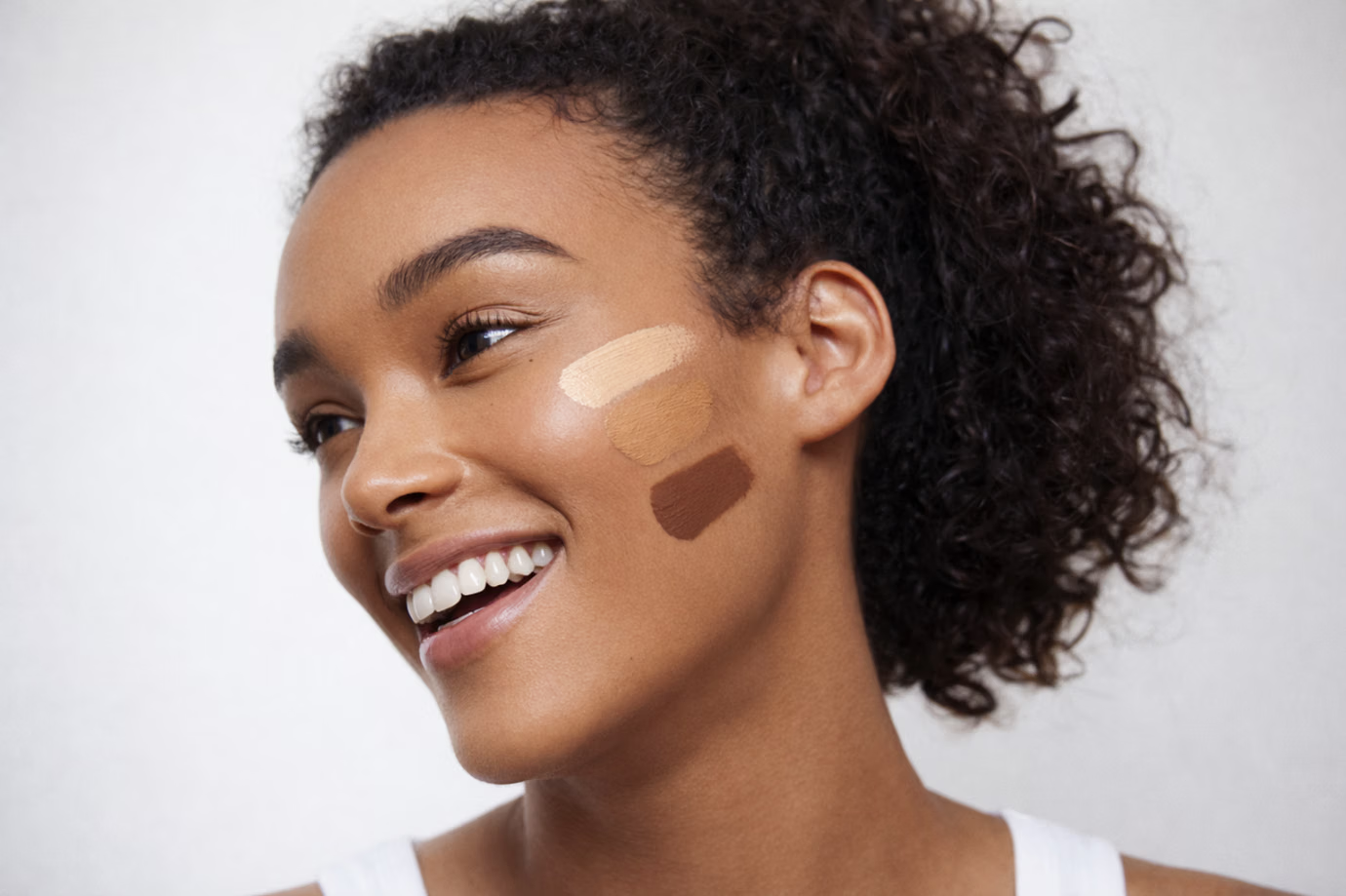
Oily skin shows oxidation earliest due to excess sebum. Dehydrated skin may oxidize as oil production rises later in the day. Combination skin usually experiences darkening in high-activity areas such as the T-zone.
Most Common Reasons Foundation Turns Dark
Most of the time, foundation doesn’t change on its own. The color shift usually starts with small choices made before the makeup even goes on. When a few of these add up, oxidation shows up faster and more visibly.
The most common reasons are:
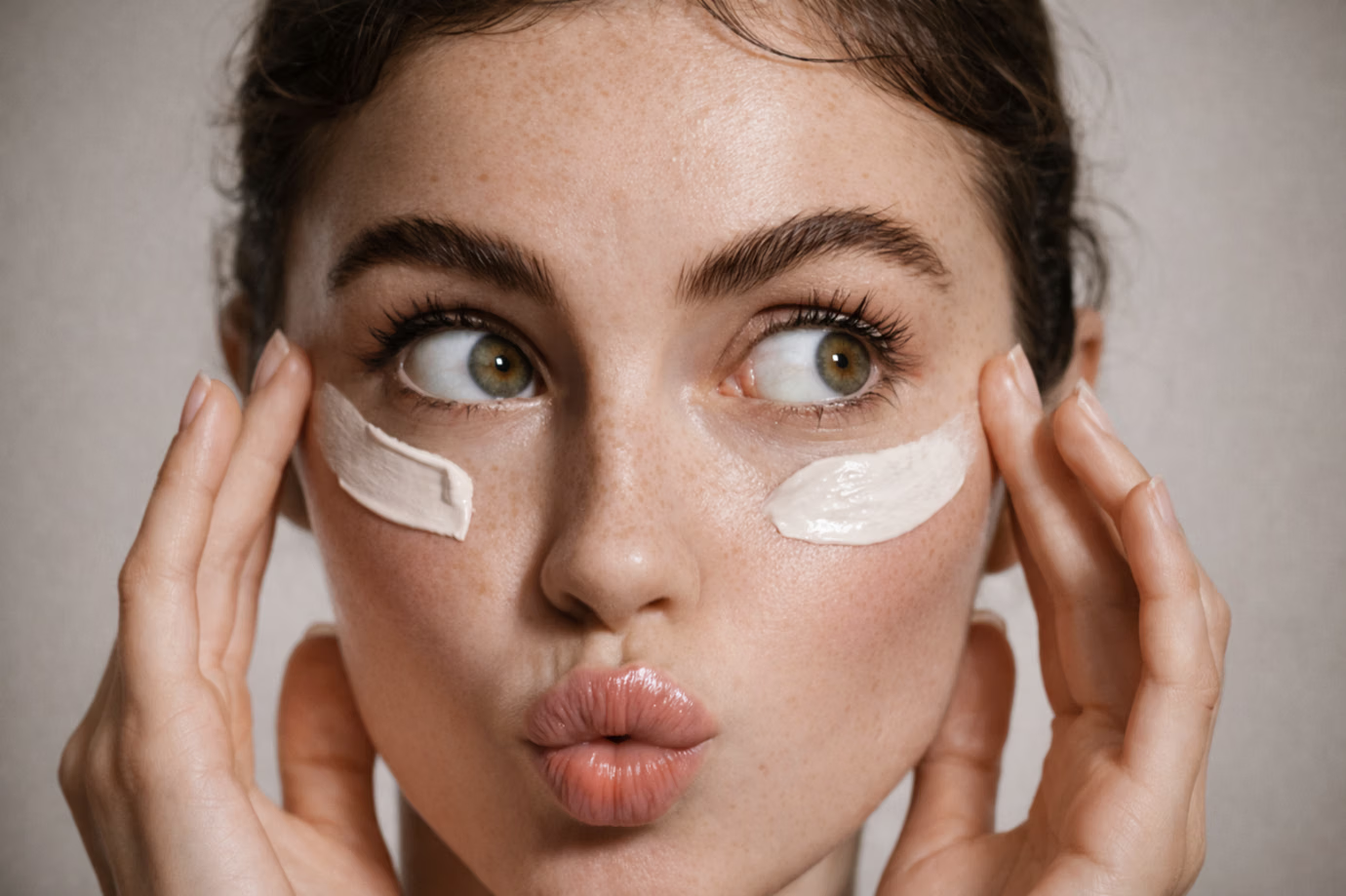
- Picking a shade by color alone, without checking the undertone.
- Using skincare that leaves the skin too oily or overly smooth.
- Applying foundation on skin that lacks proper hydration.
- Skipping primer or choosing the wrong type.
- Mixing products that do not work well together.
- Wearing foundations not designed for heat or humidity.
Even one of these can cause foundation to darken and lose its fresh look halfway through the day.
How Professional Makeup Artists Prevent Foundation Oxidation
Professional makeup artists think ahead. The goal is makeup that looks the same at noon as it did in the chair. Preventing oxidation comes from understanding how skin reacts over time and adjusting every step to support that.
Skin preparation is adjusted to control oxidation from the start:
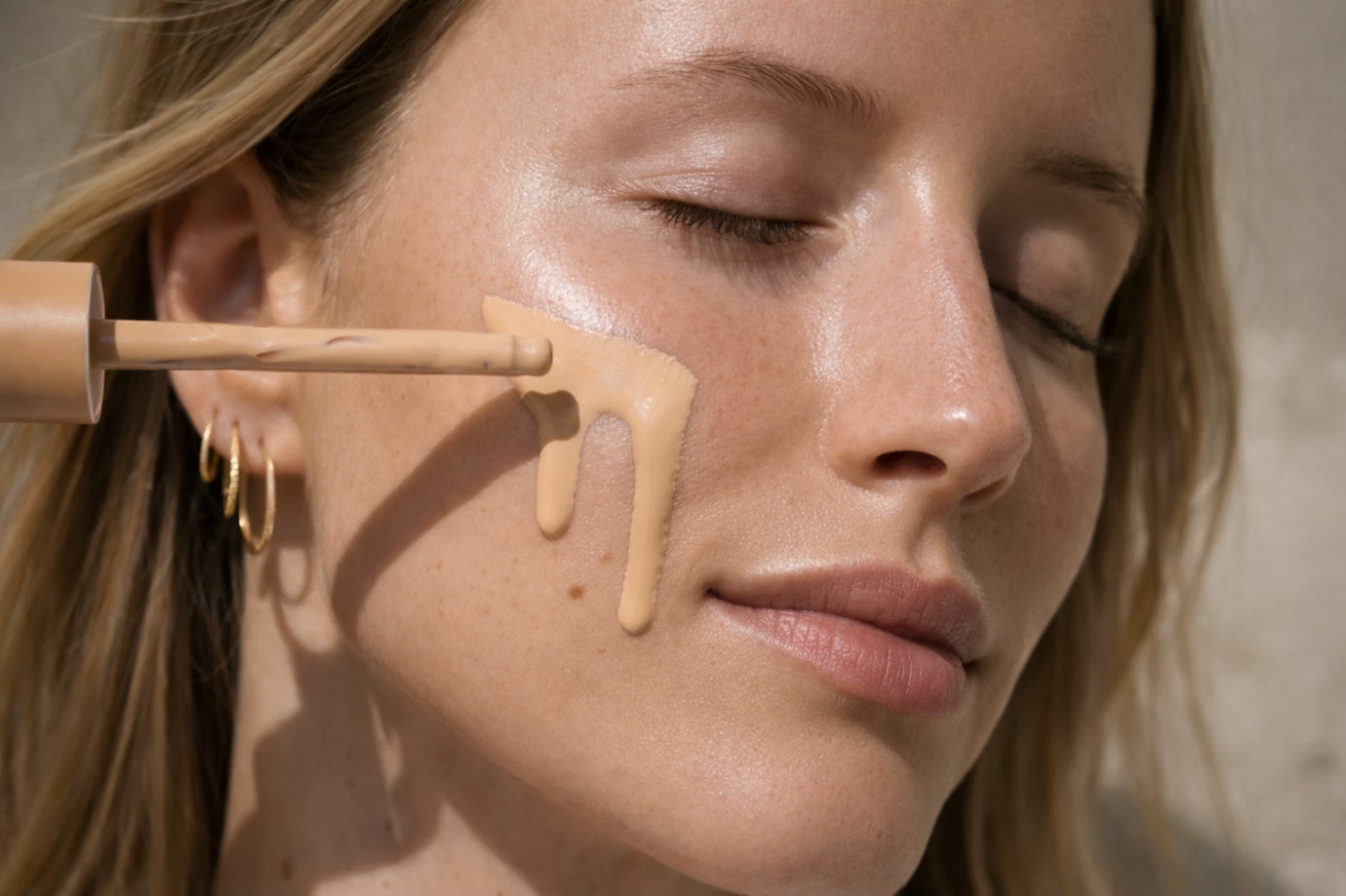
- Water-based hydration is used to prevent dehydration without adding oil.
- Oil-controlling products are applied only to the T-zone and high-activity areas.
- Skincare is given 5–10 minutes to fully absorb before foundation.
This creates a stable skin surface, so foundation pigments stay closer to their original shade throughout the day.
Modern Foundation Formulas and Techniques
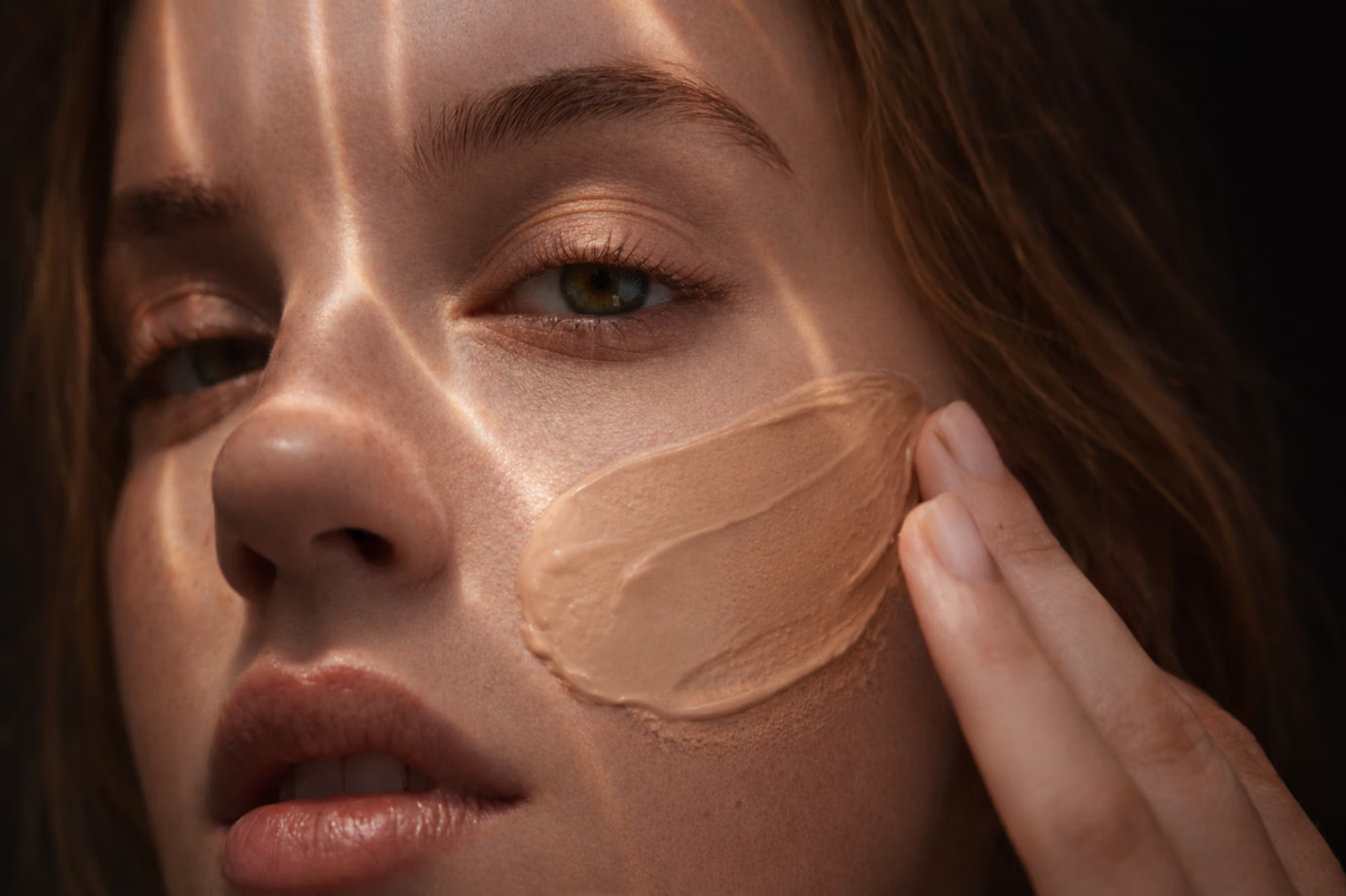
Foundation is chosen based on performance in heat:
- Long-wear, oxidation-resistant formulas are prioritized.
- Liquid or airbrush foundations are preferred over heavy creams.
- Foundation is applied in thin layers using a brush or airbrush, not fingers.
This reduces pigment buildup and limits heat-triggered color changes.
Professional Shade Matching and Testing
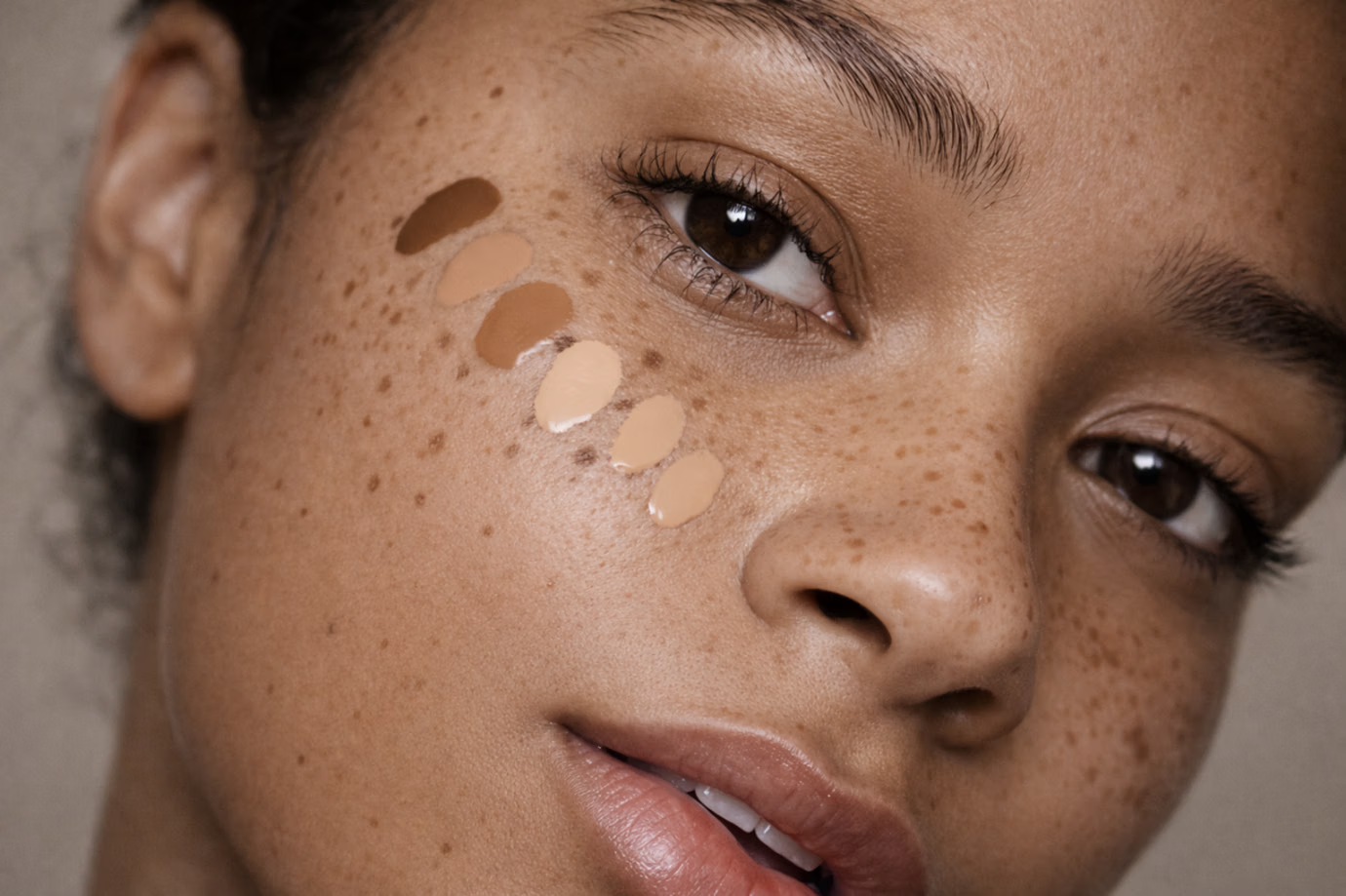
Shade matching goes beyond immediate color:
- Foundation is tested on the jawline and allowed to sit for at least 10 minutes.
- Both indoor lighting and natural daylight are checked.
- The final shade is adjusted slightly lighter if oxidation is expected.
This process helps ensure the foundation looks the same hours later as it does during application.
How to Keep Foundation True to Color All Day
In practice, keeping foundation true to color comes down to a few smart choices made at the right time. The aim is to work with your skin, not against it.

A few habits make a visible difference:
- Begin with skincare that feels balanced and fully absorbed.
- Select foundations built to hold their tone in warm conditions.
- Apply makeup in light layers and give them time to settle.
- Use primer and setting products based on how your skin behaves.
These small adjustments help the foundation stay consistent from morning to evening. For long days or important events, professional application remains the most reliable way to achieve stable, long-lasting color.
Conclusion
Foundation darkens as heat, skin oils, and makeup formulas interact over time. In Dubai’s climate, this reaction becomes faster and easier to notice.
Balanced skin preparation, the right foundation formulas, and proper shade testing help keep the color consistent throughout the day.
For makeup that stays true from the first hour to the last, book an appointment at It’s Beauty.