


Cream vs Powder Makeup Products: A Skin-Type Guide from a Dubai Beauty Salon
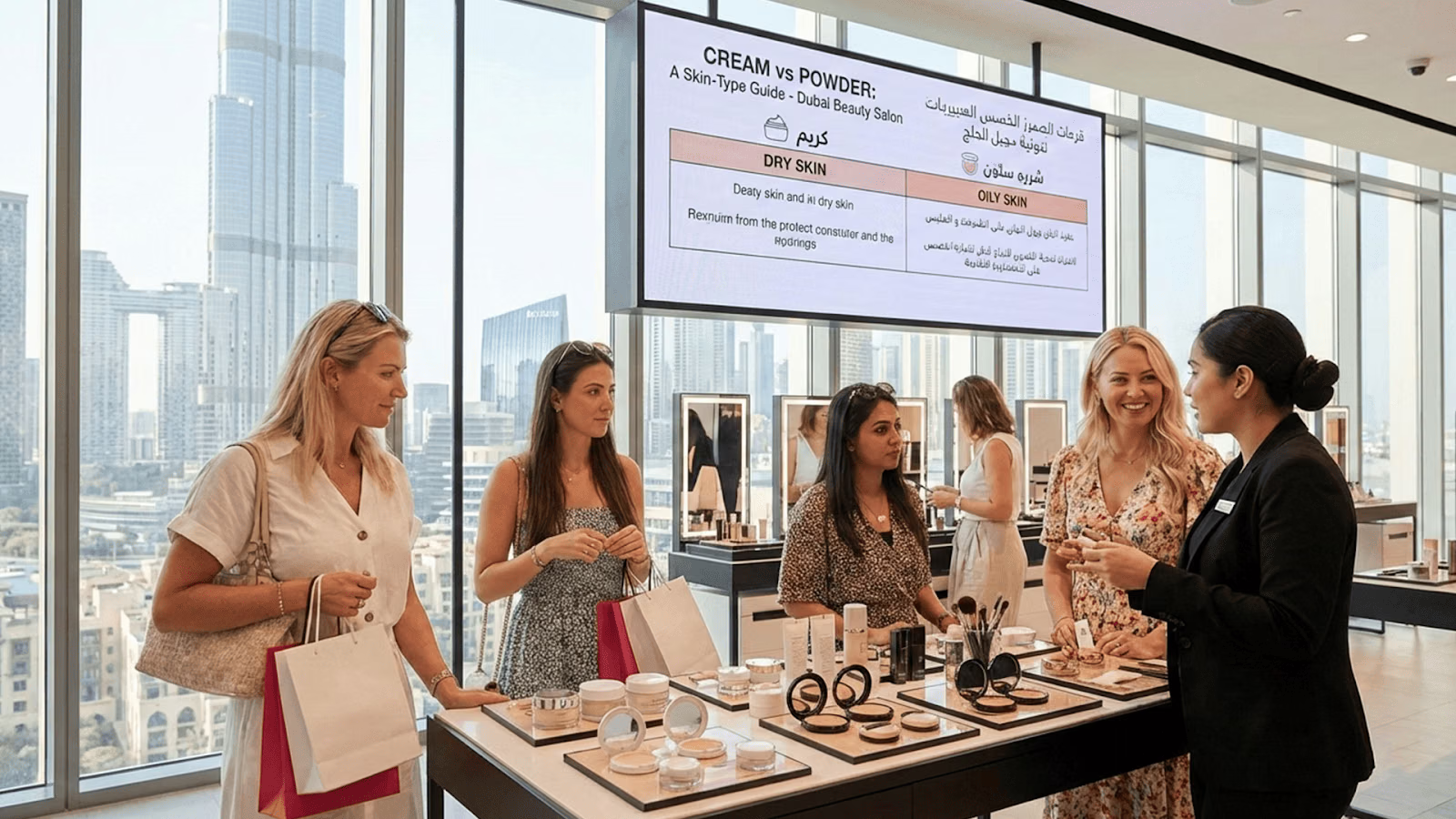
Cream or powder sounds like a simple choice, until you step outside, break a light sweat, and your base starts sliding on your T-zone but clinging to your cheeks.
This guide breaks down what each formula does on different skin types, with the kind of practical detail we use in Beauty Services. Read it through, then use it like a checklist the next time you shop or sit down for Makeup Services.
In a climate like Dubai’s, small formula differences can completely change how makeup looks and feels by the end of the day. Understanding how creams and powders react to heat, humidity, and air-conditioning helps you choose products that actually work on your skin, not just in theory.
How Cream vs Powder Products Are Compared in This Article
In a place like Dubai, makeup has to handle heat, humidity, air-conditioning, and long days. That’s why we compare cream and powder products by how they behave on real skin, not by what a label promises. Cream products (like liquid foundation, stick concealer, and cream blush) hold pigment in a moist base. Powder products (like pressed powder, loose powder, and powder foundation) hold pigment in dry particles, and many include oil-absorbing ingredients like silica.
- Finish on the skin: how natural it looks up close, especially on cheeks and around the nose.
- Wear in heat and humidity: how well it stays put when you sweat a little or move between indoors and outdoors.
- Oil control: how fast shine shows up, mainly in the T-zone.
- Comfort and hydration feel: how it sits on dry areas without looking tight or dusty.
- Photo results: how it looks under bright lighting and flash, since some powders can reflect light and look pale.
This way, women can pick a formula that fits their skin and their day, not just their makeup style.
Quick Skin-Type Match: Which Formula Suits Each Skin Type Best?
In Dubai, makeup has two jobs at once: it has to look like skin up close, and it has to stay steady through heat, humidity, and air-conditioning. Most women do best with a simple rule: use creams where the skin wants comfort, and powders where the skin turns shiny. The table below is a quick match you can use before you buy anything or book a makeup appointment.
Quick picks
This is the fast guide. After it, I’ll explain what usually works for each skin type, and the small changes that make makeup sit better through the day.
| Skin type | Base (foundation/concealer) | Cheeks (blush/bronzer) | Set step |
| Oily | Soft-matte liquid or powder foundation | Powder blush/bronzer or gel-cream tint | Pressed powder on T-zone |
| Combination | Cream base; powder only where shiny | Cream on drier areas, powder on oily areas | Targeted powder |
| Dry/dehydrated | Cream base with a comfortable finish | Cream blush; satin powder if light | Light powder only where makeup creases |
| Sensitive/acne-prone | Fragrance-free base; fewer extras | Cream or powder based on comfort | Pressed powder, very light layer |
When you’re dealing with warm weather, air-conditioning, and a full day out, the goal is simple: makeup that stays comfortable and looks even on your skin.
Skin-type notes that matter in heat, long days, and bright lighting
Your skin type gives you the fastest clue on what to reach for first.
- Oily skin: Powders often feel easier because they absorb shine, especially on the forehead, nose, and chin. Pressed setting powder is usually the most practical for touch-ups. If you like cream products, pick ones that dry down on their own and use concealer only where you need it.
- Combination skin: Think of your face in two zones. Keep a cream base on the drier parts, then set only the center of the face. This keeps cheeks comfortable and the T-zone steady.
- Dry or dehydrated skin: Cream formulas tend to sit better because they move with the skin. Keep powder away from flaky areas. If you use powder, press a small amount only where makeup creases, like around the nose or under the eyes.
- Sensitive or acne-prone skin: The ingredient list matters more than cream versus powder. Fragrance is a common trigger, so fragrance-free is a safer start. Use fewer layers and less rubbing on active spots.
Once you know your skin type, you can mix cream and powder on the same face and get a better result than trying to stick to one team.
Top Picks by Category: Cream vs Powder Options
Instead of brand names, here are the product types that tend to behave best in heat and long days.
| Category | Cream option that makes sense | Powder option that makes sense | Best for |
| Foundation | Soft-matte liquid; skin tint for lighter days | Powder foundation (pressed) | Cream for normal-dry; powder for oily |
| Concealer | Liquid or stick, placed in small zones | Powder concealer for spot coverage | Powder spot cover for oily |
| Blush | Cream blush; gel tint | Satin powder blush | Cream for dry cheeks |
| Bronzer/contour | Cream contour stick (sheer) | Powder bronzer (pressed) | Powder for sweat-prone days |
| Setting | Setting spray after cream layers | Pressed setting powder in T-zone | Mixed routines |
One more real-life note: if you train, walk outside a lot, or take midday meetings, “touch-up friendly” matters. Pressed products usually win because they don’t fly around in the air.
Application Tips for a Smooth, Long-Lasting Finish
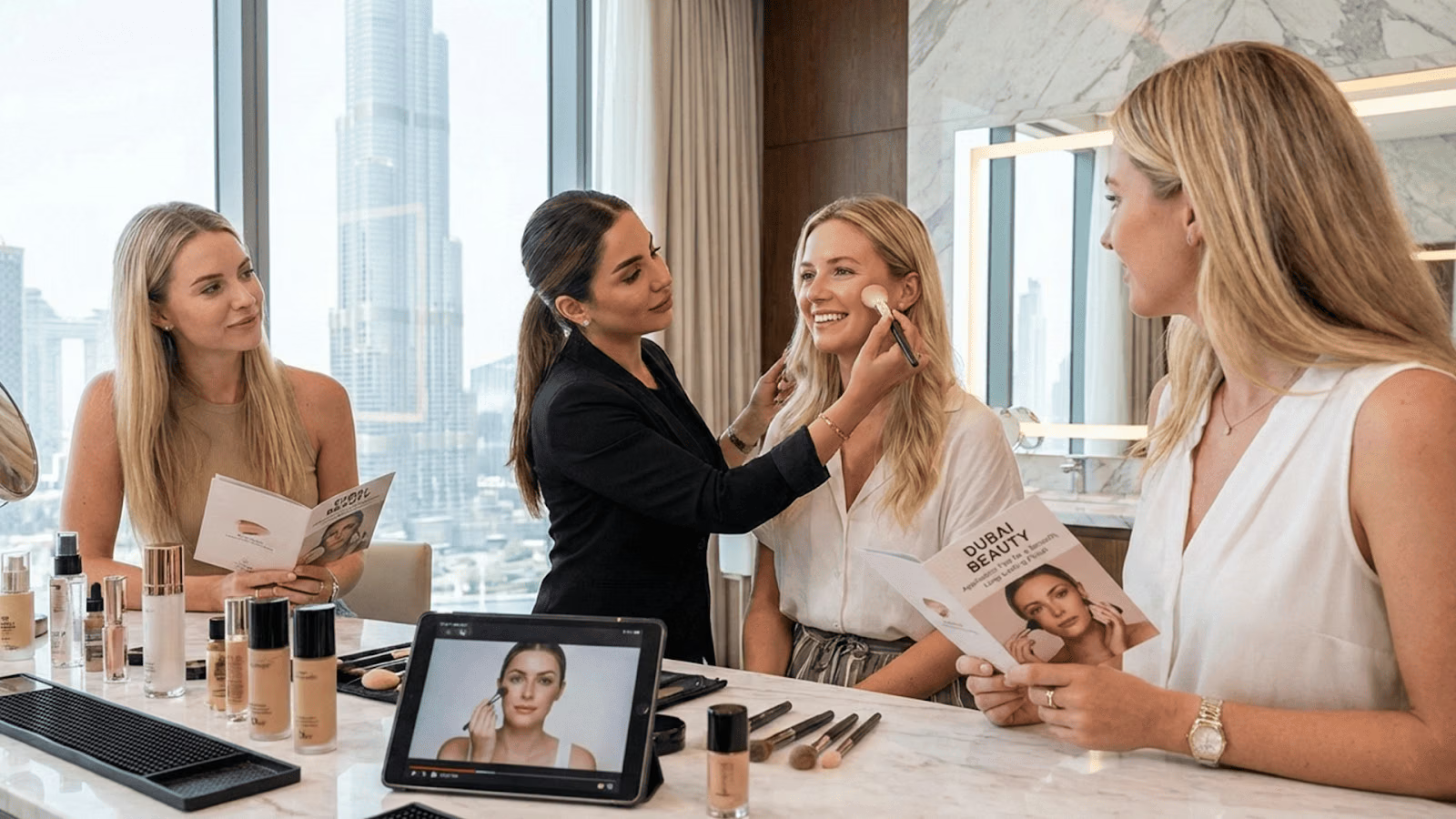
Good makeup in heat looks a lot like good training habits: small steps done in the right order.
- Start with clean skin and a light moisturizer, then give it 5–10 minutes to settle before makeup.
- If you use sunscreen, let it set too. Rushing this is a common reason makeup pills.
- Apply cream base in thin layers. Tap, don’t drag.
- Place concealer only where you want coverage, then press it in.
- Set strategically: powder the center of the face first, then stop and check the mirror.
- For dry areas, skip powder and use setting spray instead.
- For photos with flash, go easy on very reflective powders. Minerals that scatter light strongly can read pale under flash, especially if applied thick.
And yes, your tools matter. A damp sponge gives creams a smoother finish. A dense brush packs powder harder, which can look heavy fast.
Salon Recommendations for Choosing the Right Formula
A lot of clients ask, “Why does my makeup look fine at home, then fall apart later?” Most of the time it’s skin prep plus climate plus product texture, not a lack of skill.
Common concerns we hear:
- Makeup sliding off the nose and chin;
- Powder sitting on peach fuzz or dry patches;
- Base turning shiny in photos;
- Breakouts along the jaw after long wear.
If these sound familiar, they’re usually fixable with small changes in prep, texture, and where you set with powder. Bring your current base products to your appointment so we can test them under bright lighting and adjust your routine for the way your skin behaves through the day.
Matching formulas to skin needs and lifestyle
If you’re picking a membership for the next month, keep it simple: choose the plan that matches how your skin behaves by midday and what your days look like. A good consult usually starts with three checks, how oily you get, where you feel tight or flaky, and how much you’re outside or moving around.
In warm weather a practical starting point is a thin cream base, powder only on the T-zone, then a setting spray. From there, you adjust based on what you see in real life, not what you hope will happen.
If you can, bring your current foundation and powder to your visit. Under bright salon lights, the “almost right” products show themselves fast. Book a short membership month at It's Beauty in Dubai, try a few procedures, and refine your routine with support along the way.