



When Does Root Regrowth Become Noticeable After Coloring?
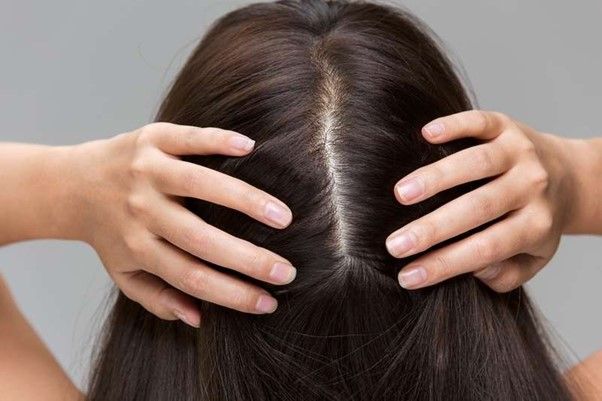
Root regrowth is one of the most common frustrations after colouring, especially in hot climates, where sun exposure, humidity, pool days, and frequent hair washing can make your colour look “older” faster. Even if your hair colour looks perfect on day one, your natural roots will still grow in and eventually become visible.
At It's Beauty, professional colour services often include recommendations on techniques and aftercare so regrowth blends more naturally and doesn’t force you into constant salon appointments.
How root regrowth works (and why it feels so fast)
Hair grows from follicles at the scalp, and the new hair that appears will always be your natural shade unless you colour it again. For most people, average growth is around 1.25 cm per month, but it can be faster depending on genetics, age, hormones, health, and even season.
What makes it feel fast is contrast. If you dye your hair blonde and your natural hair is dark brown, even 0.5–1 cm of growth can look obvious in photos. The same goes for vivid shades like red, copper, pink, or silver; these colours create a strong visual difference at the root line.
Grey coverage is another category. Grey hairs reflect light differently and often look more noticeable even when the regrowth is minimal. That’s why clients covering greys tend to notice roots earlier than clients colouring close to their natural shade.
When does regrowth become noticeable: a realistic timeline
Most people begin to notice a change around 2–3 weeks after colouring. At that stage the regrowth line may be subtle, but it becomes visible around the parting and hairline in bright lighting, close-up photos, or mirror checks.
By 4 weeks, roots are usually noticeable in daily life, especially for high-contrast colour (dark base + light lengths), straight hairstyles, and clients with fast-growing hair. By 5–6 weeks, regrowth becomes obvious for most people and often starts affecting the overall “freshness” of the colour.
For grey coverage, the timeline often shifts earlier. Many clients need a touch-up every 2–4 weeks, depending on how dense the greys are and where they appear (temples and front hairline usually show first). For low-contrast colouring (for example, a shade close to your natural colour), you can often go longer without it looking messy.
What affects how quickly roots show
Here are the biggest reasons roots become visible sooner than expected.
- High contrast between natural shade and dyed colour.
- Grey coverage needs (greys reflect light and stand out earlier).
- Faster hair growth rate.
- Frequent washing and hot water.
- Heat styling without protection.
- UV exposure and swimming pool chlorine.
Sun exposure is a major one in the UAE. UV light can fade pigment, especially cool tones like ash, beige blonde, and silver. When lengths fade, the root line looks stronger because the difference between the two areas increases. Chlorine can also shift tone and make colour look dull or brassy, which again increases contrast.
Practical ways to manage regrowth between salon visits
Here is how you can manage regrowth between salon visits:
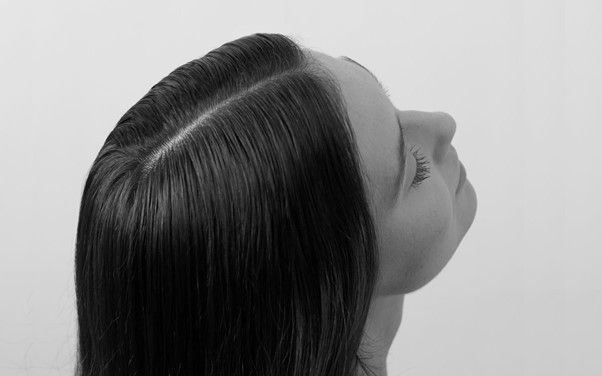
- Use colour-safe shampoo and conditioner (ideally sulfate-free).
- Wash hair less often when possible (or alternate with gentle cleansers).
- Rinse with cooler water to slow pigment loss.
- Use heat protection before styling.
- Protect hair from sun with UV sprays or hats.
- Use dry shampoo to reduce washing frequency.
Root sprays, powders, and tinted hair mascaras can cover regrowth instantly, especially around the part line and hairline.
Modern colouring techniques that make regrowth less noticeable
If you hate the sharp root line, you don’t necessarily need more frequent touch-ups; you may need a smarter colouring technique.
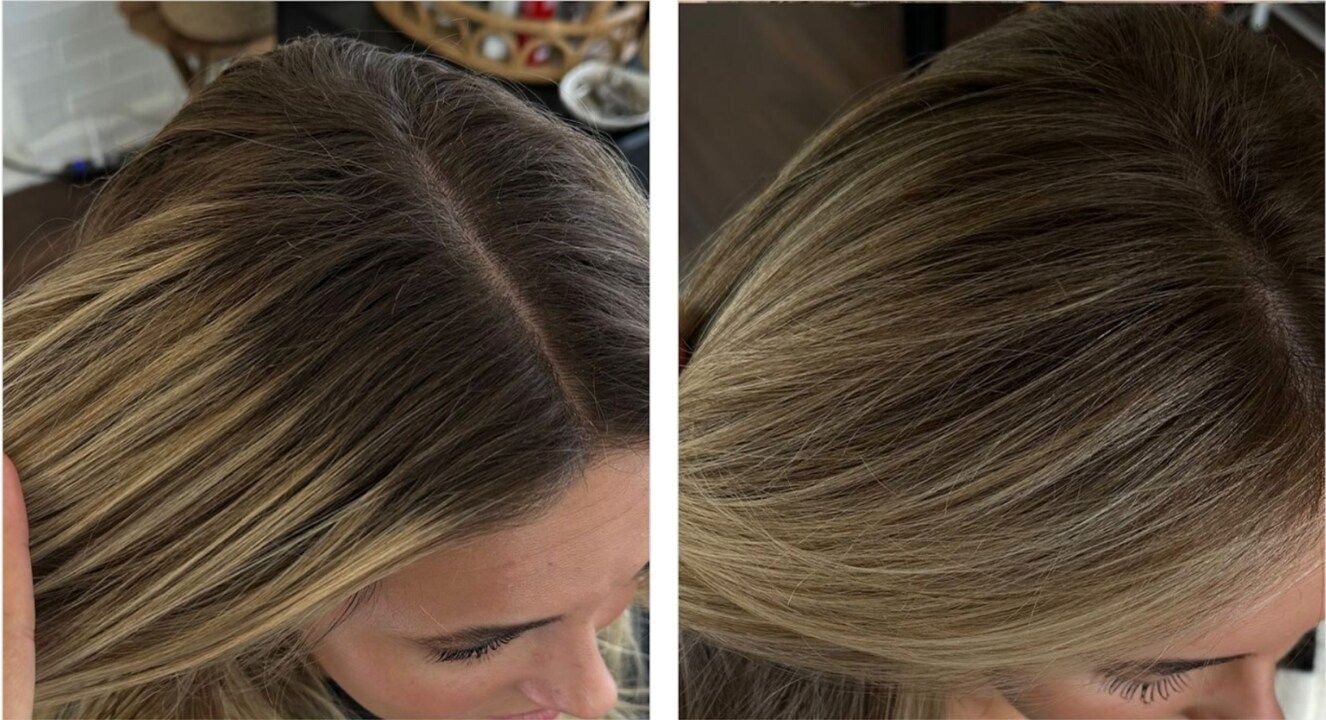
Shadow root (soft root melt into lighter lengths).
A shadow root creates a gentle transition between your natural roots and lighter lengths, so there’s no harsh line as your hair grows. It’s perfect if you want a low-maintenance look that still feels polished and dimensional.
This technique also adds depth at the roots, making your color look richer and more natural. Bonus: it helps extend the time between salon visits without sacrificing style.
- Balayage (hand-painted highlights for a natural transition).
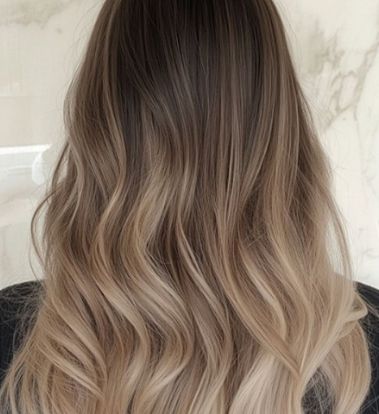
Balayage is a freehand highlighting technique that mimics how the sun naturally lightens hair. Because the color is softly blended, regrowth is much less noticeable compared to traditional highlights.
It gives a soft, lived-in look that works beautifully on most hair types and lengths. If you love effortless, beachy vibes, this is a great option to consider.
- Root smudge (blurred root line, good for blondes and bronde shades).
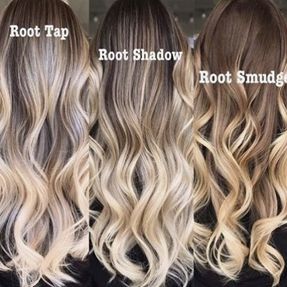
A root smudge softens the line between your natural color and your highlights by slightly blending the root area. It’s especially popular for blondes and bronde shades where harsh lines can be very visible.
This technique creates a seamless, diffused effect that looks soft and modern. It also makes your color grow out much more gracefully.
- Toner/gloss refresh between full colouring sessions.
Instead of doing a full color every time, a toner or gloss can revive your shade and add shine in between appointments. It helps neutralize unwanted tones (like brassiness) and keeps your color looking fresh and vibrant. This is a quick, less damaging way to maintain your look without over-processing your hair. Think of it as a “refresh button” for your color.
- Grey blending (softens greys instead of fully covering every strand).
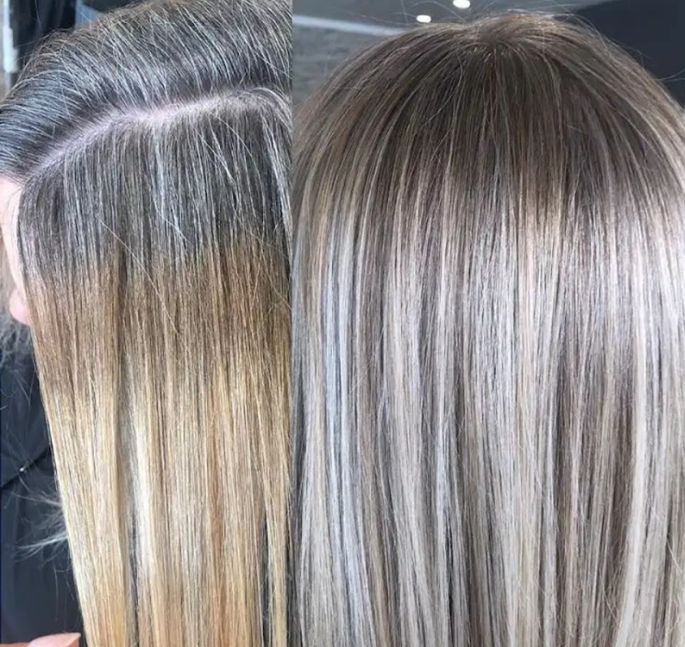
Grey blending is a softer alternative to full grey coverage, allowing some natural greys to remain while blending them into your overall color. This creates a more natural, dimensional look that grows out beautifully. It’s ideal if you’re transitioning to greys or just want a lower-maintenance routine. Plus, it avoids that obvious regrowth line, making everything look more effortless.
Toners and gloss treatments deserve special attention. Many clients think only a full root touch-up will help, but in reality, refreshing tone and shine on the lengths can reduce contrast and make roots feel less obvious.
Conclusion
Root regrowth becomes noticeable sooner than most people expect. For many clients, it starts showing around 2–3 weeks, and becomes clearly visible by 4–6 weeks, depending on growth speed, grey coverage, and colour contrast. In Dubai, sun exposure and pool time can also fade lengths faster, which makes regrowth look stronger.
If you want a polished colour that lasts longer, the best approach is combining modern salon techniques with practical maintenance. To learn more about colour services and regrowth-friendly methods, visit It’s Beauty and explore which colouring approach fits your hair type, lifestyle, and shade goals.