


What Is Non-Comedogenic Makeup and Who Actually Needs It?

If you’ve ever noticed your base looking heavier by lunchtime, or tiny bumps popping up around your T-zone, you’ve probably been told to switch to “non-comedogenic” products. It’s one of those skincare buzzwords that gets thrown around a lot, especially for oily, acne-prone, or combination skin types.
Here’s what that label really means and how to make smarter choices (plus a few practical tips from the way we approach makeup and skin support at It's Beauty makeup services). We’ll also break down which ingredients and formulas are more likely to clog pores, and what to look for if you want makeup that stays fresh without triggering breakouts.
What “Non-Comedogenic” Actually Means
Non-comedogenic means a product is formulated to be less likely to clog pores and create blackheads and whiteheads. In theory, that makes it a safer bet if you’re prone to congestion, breakouts, or bumpy texture. But you should know that…
- There’s no single global standard that every brand must follow to use the term.
- A product can be “non-comedogenic” and still irritate you if your skin reacts to fragrance, certain preservatives, or heavy occlusive textures.
- The label doesn’t guarantee that the product won’t cause acne.
In other words: it’s a helpful filter, but not a promise!
Who Really Benefits Most from Non-Comedogenic Makeup?
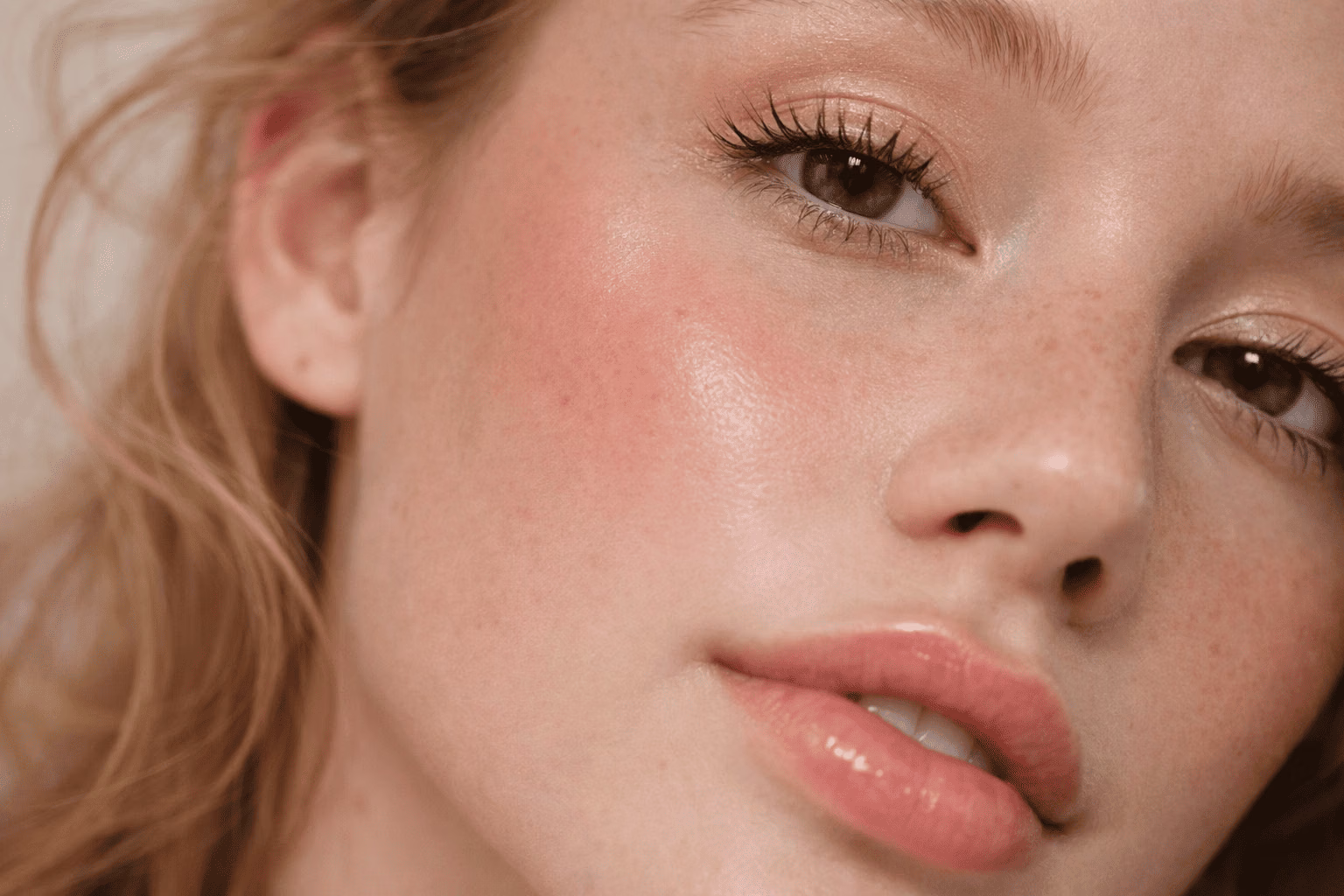
You’ll likely benefit if you’re:
- Acne-prone or congestion-prone (you have frequent spots, blackheads, whiteheads, closed comedones).
- Oily or combination (shine returns quickly, pores look more visible, makeup slides).
- Prone to tiny bumps (especially on forehead, cheeks, jawline).
- Wearing makeup for long hours (workdays, events, filming, weddings).
- Layering products (SPF + primer + foundation + concealer + setting powder/spray).
You may not need it if you’re very dry and never congested, and you use lighter coverage occasionally. You may not need it either if you’re barely wearing base products, using tinted moisturiser only, and minimal concealer. But even then, many people still prefer non-comedogenic formulas simply because they feel lighter and cleaner on the skin.
How to Choose Non-Comedogenic Makeup
Makeup problems are rarely about one product. It’s usually the stack: skincare underneath + SPF + base + set + touch-ups. Our goal at It's Beauty is to build a routine that wears well without sealing everything into your pores.
Quick checklist when shopping:
- Look for a non-comedogenic + oil-free label if you’re oily/combination.
- Choose lighter textures: fluid foundations, serum tints, breathable long-wear formulas.
- If you react easily, aim for fragrance-free label.
After all, prefer non-greasy SPF underneath; heavy sunscreens can be the real culprit.
Application habits that reduce clogged-pore risk
Use thin layers, apply with clean tools only, avoid aggressive rubbing on active spots: press and blend instead. Powder only where you get shiny, usually the T-zone.
Pro tip for Dubai: carry blotting papers and touch up shine first, rather than adding more powder on top of sweat and oils.
Why You Still Break Out Even with Non-Comedogenic Products
If you switched to non-comedogenic cosmetics and nothing improved, it doesn’t mean the idea is useless. It means you need to identify the real trigger. Common culprits:
- Heavy SPF or rich moisturiser under makeup;
- Over-priming, because silicone-heavy primers can trap oil for some skin types;
- Not removing makeup thoroughly;
- Sweat and occlusion when wearing masks, helmets, and having gym-to-office days;
- Over-exfoliating.
Want a simple reset approach for one week? Try this for 7 days. Keep skincare minimal (gentle cleanser + lightweight moisturiser + SPF), use a lighter base or spot conceal only, and clean your tools mid-week. Double cleanse at night if you wear makeup!
Modern Help. Skin Analysis, Smarter Formulas, and Pro Techniques
The best trend in beauty right now is that makeup is getting more skin-friendly, and salons are getting more precise about matching products to real life. What’s changed? Keep reading to know.
Wear tests finally match real conditions
A few years ago, long-wear makeup was making our skin thick, sick and dry every time. Now brands and pro artists are testing formulas in conditions closer to real life: heat and humidity, then sudden AC, then humidity again.
In humidity, you produce more oil and sweat, so makeup can slide or separate. In strong AC, you dehydrate, so the same makeup can start clinging to texture. So newer wear testing tends to focus on how makeup breaks down and how to fix it.
Long-wear doesn’t have to feel like a mask anymore
More long-wear bases now aim for a breathable feel. They are still durable, but there is no tight, sealed sensation that makes you want to wash your face by 3 pm. It’s because of thinner base layers, flexible finishes (they move a bit with the skin instead of cracking), and better oil-control.
The setting is more targeted (and it looks better up close)
A lot of people still set their whole face out of habit, then wonder why everything looks textured. If you only powder the areas that actually get shiny, and leave the rest alone, the whole makeup look will look much, much better!
Another important recommendation is to press powder in, not sweeping it all over. Because sweeping can lift the base and create patchiness. Blot before re-powdering if you’re doing a touch-up later.
The Takeaway
Non-comedogenic makeup is most useful if you’re acne-prone, oily/combination, or you wear base products for long hours, especially in Dubai’s heat and air-con extremes. Treat the label as a helpful guide, then focus on what actually makes the biggest difference: lighter layers, clean tools, a compatible SPF, and thorough removal.
If you want help choosing a base routine that lasts in Dubai without clogging your skin, or you’d like to explore skin-support options alongside makeup, have a look at the procedures and services at It's Beauty and see what fits your goals!