


Ammonia-Free Hair Colour vs Traditional Hair Colour: Which Is Better?
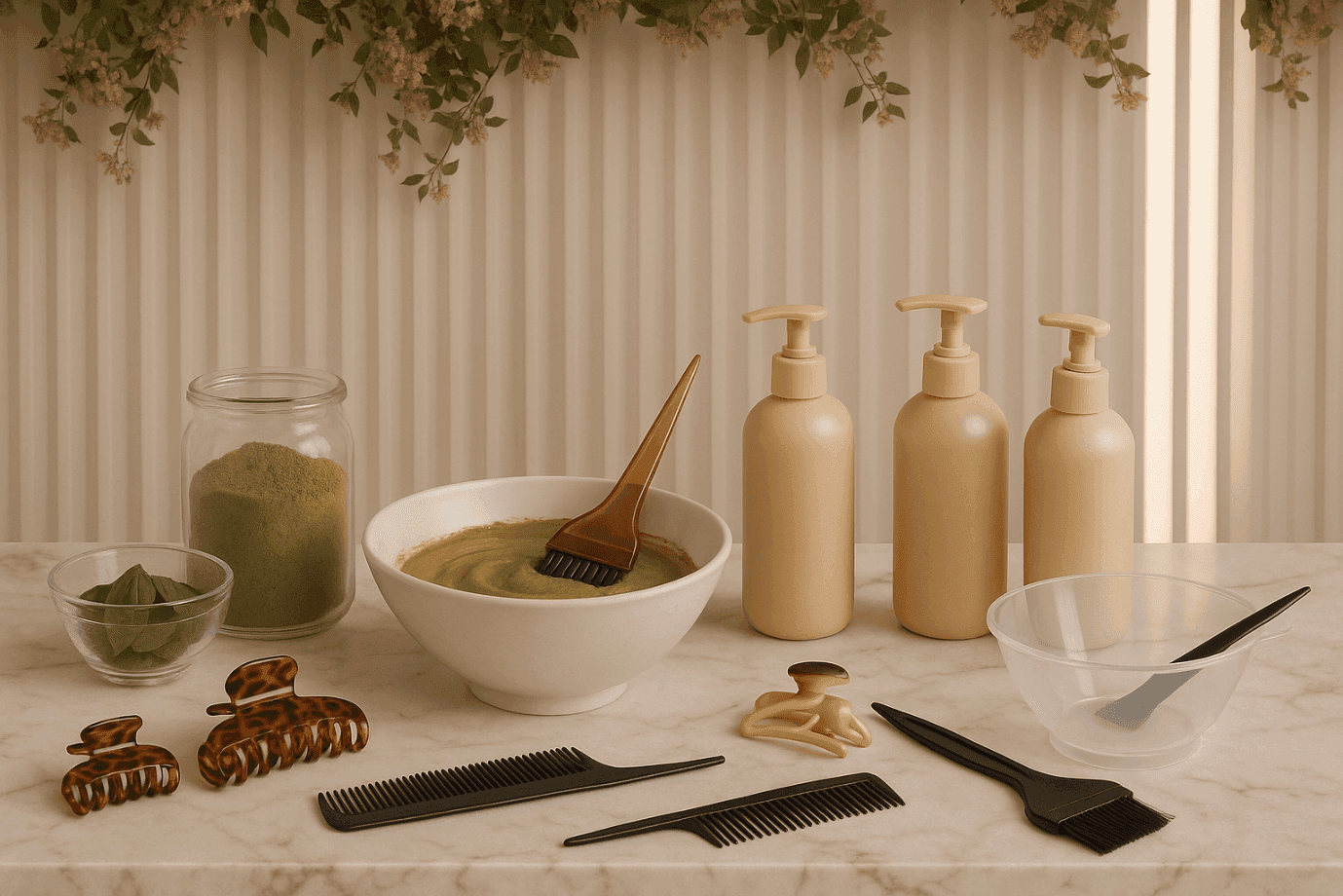
Hair colour includes a variety of professional terms that aren’t explained. How many times have you heard words like ammonia or ammonia-free? Instead of questioning what that means, we collected information about different dyes. Not only that, but we brought in a professional to give you more insight.
We discussed with Nastya Bonds, the co-founder of It’sbeauty, what the differences are between ammonia-free hair colour and traditional hair colour. We’ll cover everything from those long chemical words to what dye suits you.
What Ammonia Does in Traditional Hair Colour
Every woman who wants to change her hair colour recognises a familiar smell. The strong odour that comes from the traditional hair colour. That’s an alkali called ammonia. A traditional dye usually has ammonia in it, and that ammonia is what extends your colour longevity. It’s the seal that keeps your dyed hair from fading.
Cuticle Lift, pH, and Why It Affects Scalp Sensitivity
What is ammonia? It’s an alkali chemical used in hair dyes. It works together with an oxidiser and affects your hair cuticles. The combination creates an alkaline environment (pH 10-11) that lifts hair cuticles, getting the colour deep into the roots of your hair. That’s how it keeps your colour permanent and provides high coverage. It affects your scalp sensitivity because it’s still a chemical that can irritate sensitive skin. In some cases, it may cause hair damage.
What Ammonia-Free Hair Colour Uses Instead
As we talk about the rise in ammonia-free hair colour dyes with Anastasia, she mentions how popular they’ve become in recent years. Not only that, but there are multiple different ways we can dye our hair now compared to the past to avoid hair damage.
Ethanolamine (MEA) and Other Alternatives Explained
If you want to keep your same vibrant colour but want it to be gentler on your scalp, ethanolamine (or MEA) is another chemical used in permanent hair dyes; it prolongs colour longevity. It’s gentler on your hair because it has bigger molecules in it. You’ll see less skin irritation and won’t be bothered by the strong smell. Some people can’t stand that smell, Anastasia comments, and some of us would agree. You can certainly go for this alternative if you want permanent and ammonia-free hair colour.
Natural Routes: Henna and Herbal Formulas
There are also fully alkali-free hair dyes! They’re a gentle hair dye type and an eco-friendly hair colour. They’re all about nature and natural ingredients like natural plant-based pigments. Henna and indigo are often used in alkali-free dyes. They are more surface-level and do not penetrate the cuticles, which is what alkalis and oxidisers do. It’s a safer alternative to traditional dyes.
What to Expect from Plant-Based Pigments
Naturally, you can expect results from plant-based pigments. The most common, as mentioned above, are indigo and henna types. An ammonia-free dye based on indigo will give women a wide range of brown and black shades. Hair dye with henna and herbs, on the other hand, gives women access to shades of red depending on their original colour and texture. It’s all about natural ingredients. Also helps avoid hair damage!
Pros and Cons at a Glance
Smell or no smell, every woman wants to look her best. Both ammonia and ammonia-free hair dyes have their cons and pros.
The pros and cons of the traditional hair dye are the following:
- Gives you full grey hair coverage.
- Awesome permanent colour for a long time.
- It has a very strong odour.
- Your scalp can react to it, depending on personal sensitivity.
While the pros and cons of the non-traditional hair dye and plant-based dyes are the following:
- Offers semi-permanent and demi-permanent dyes.
- Less odour and reduces irritation to your scalp.
- Have lower grey hair coverage.
- Doesn’t offer the same colourful arrangement that traditional offers.
All of these pros and cons can give you a better idea of which hair dye you want to use.
Grey Hair Coverage and Colour Longevity
Grey hairs come with age, but some women may see them earlier because of genetics, as example. We combined the information about ammonia and ammonia-free salon products for the ladies interested in grey hair coverage and the colour longevity!
| What’s Compared | Ammonia-based Dye | Ammonia-free Ethanolamine Dye | Natural Ingredients Dye |
| Grey hair coverage | Full coverage | Full coverage | Covers 30-40% of grey hair |
| Color longevity | Permanent color | Permanent, semi-permanent | Requires retouches |
Scalp Sensitivity and Odour
Of course, not only women with grey hair seek the colour of their hair. Sensitive scalps and high scent sensitivity are just as important to consider.
| What’s Compared | Ammonia-based Dye | Ammonia-free Ethanolamine (MEA) Dye | Fully Alkali-free Dye |
| Scalp sensitivity | Irritates the scalp, causes redness, and itching | Less irritating to the scalp and causes less irritability | No irritation to the scalp (Best hair colour for sensitive scalp) |
| Odour | Strong odour | Less strong odour | Little to no odour |
Who Should Choose Ammonia-Free vs Traditional
Ammonia-free and traditional hair dyes can fit best for a variety of women out there. The question is: what dye fits whom? With the information already covered, we concluded how different types of dye fit different women.
Sensitive Scalp, Pregnancy, and Lifestyle Factors
Women with sensitive scalps should go for ammonia-free hair dyes to protect their skin. Scalp irritation can cause you discomfort, so better go for ethanolamine dyes or fully alkali-free dyes like indigo or henna.
Many aspects of life should be looked over during pregnancy and hair dying isn’t an exception. Women, especially in their first trimester, should probably look into fully alkali-free dyes to avoid ammonia or ethanolamine. Chemicals are not healthy, so keeping them to a minimum would be beneficial for any pregnant woman. Look for a safer alternative to traditional dyes and discuss it with your hair stylist.
There are also lifestyle factors like personal preferences. Do you want a vibrant unnatural hair colour? Then go for traditional hair dye. Do you want to avoid strong odours? Then go for ethanolamine dye or natural dyes.
How to Make Colour Last Longer (Aftercare)
Caring for your dyed hair should stay on top of your priorities. Your hair texture can change after a hair dye, especially after chemical hair dyes. It can get dry or thin, so focus on that nourishment and prevent it from getting thin.
Sulphate-Free Care, Heat Protection, and Wash Frequency
The hair care routine in the UAE climate differs a bit from the usual. We looked at the climate of the UAE and wrote down some tips for hair aftercare and extended colour longevity.
- Don’t overwash your hair and use colder water.
- Use colour-protecting shampoos like sulphate-free shampoo.
- Use nourishing hair conditioners.
- Do not heat style without heat protection.
- Use hydrating treatments to maintain vibrancy.
Well-taken care hair will continue to shine with its newly applied colour. Your hair is an extension of you, so keep it hydrated and protect it from the heat of the Sun!
It’sbeauty Recommendations for UAE Clients
We’ve discussed with Nastya what she can recommend for the ladies of both Dubai and Abu Dhabi. The hot climate can make you want to take a swim, doesn’t it?
The UAE lifestyle is lavish and fun, but it can be hard to avoid chlorine and salt water. But did you know that chlorine takes off your colour and saltwater dries it out? So wet your hair with clean water first and add a leave-in conditioner to create a fortress against those chemicals/salts. Best approach? Wear a swim cap! After swimming, rinse your hair right away to not let salt or chemicals stay on your hair. Your hair and scalp will thank you!
Consultation Checklist and Patch Test Guidance
Negative reactions can happen, but don’t rush to google them ahead of time. If it’s your first time doing hair dyes, discuss allergies with your hairstylist and start your consultation checklist.
The consultation can include questions about your reaction to colour, skin tattoos, and whether it’s your first time at the salon or not. Some questions ask if you did colour at home and/or if you’ve had your hair coloured in the last six months. All of this is needed to build your profile and for the hairstylist to understand what they can provide for you.
Do patch tests 48 hours before deciding to dye your hair if you’re at home. If you want to do it at the salon, then prepare to stay at the salon for 30-40 minutes. It’sbeauty asks for you to look out for mild irritation, itching, or redness in case you do have allergies. Even if you’re using plant-based pigments for your dye, the patch test is a must! You never know, so better prepare ahead of time.
FAQ
Is ammonia-free hair colour a safer alternative for a sensitive scalp?
Yes, because it has a less aggressive chemical formula.
Will ammonia-free hair colour cover grey hair as well as traditional dyes?
Not always, but the grey hair can still be quite good.
Are henna and herbal dyes truly natural alternatives?
Yes, they are. Both use plant-based pigments and they are eco-friendly. They may not offer the same coverage and longevity, but they are natural alternatives.